
Restless leg syndrome can wreck your night. It makes you toss, turn, and wake up sore. You need a simple fix that works while you sleep. In this guide you’ll see how an adjustable bed can calm those restless legs and give you deeper rest.
We examined three Australian electric adjustable beds across three sources and found that the only product marketed as the top pick, Sleep Sophie, doesn’t disclose a massage feature, while both rivals explicitly tout it.
| Name | Massage | Best For | Source |
|---|---|---|---|
| Sleep Sophie (Our Pick) | — | Our Pick – overall comfort | sleepsophie.com.au |
| Elite Hi-Lo | Yes | Best for simple massage | sleepelectric.com.au |
| Split Queen Bed base | Yes | Best for massage + warranty | letto.com.au |
Methodology: We searched Australian e‑commerce sites for electric adjustable beds using keywords “adjustable bed restless leg syndrome”. We scraped three product pages on 02 April 2026. We pulled name, massage and vibration features, price, warranty and angle specs where available, then compiled the data into a comparative table. Sample size: 3 items analyzed.
Step 1: Assess Your Sleep Environment
Before you buy an adjustable bed restless leg syndrome relief tool, you must look at the room you sleep in. A calm room helps the bed do its job.
First, check the temperature. RLS often feels worse when it’s hot. Aim for 18‑20 °C. A fan or a window can help. If you can’t change the room temperature, a breathable mattress cover can keep you cool.
Second, look at the lighting. Bright lights tell your brain it’s day. Use a dim lamp or a night‑light. Turn off screens at least 30 minutes before bed.
Third, examine clutter. A tidy space reduces stress. Clear away toys, books, and loose clothes. A clear floor also makes it easier to get in and out of bed, especially if you raise the foot end.
Fourth, test your current pillow. A pillow that’s too high or too flat can strain the neck and make your legs twitch. Choose a pillow that supports the neck without pushing the head forward.
Finally, note any sources of noise. A white‑noise machine or a fan can mask street sounds. Less noise means less tossing.
Here are three quick tips you can try tonight:
- Set the thermostat to 19 °C and keep a fan on low.
- Switch off all screens at 9 p.m. and use a soft lamp.
- Remove items from the floor that could cause trips.
Understanding how the room feels when you lie down is key. Use a notebook to record temperature, light level, and how often you move. After a week you’ll see patterns that point to hidden triggers.
For more on how to rate your sleep space, see the Restless Legs Rating Scale PDF. It gives a simple checklist you can fill out.
A deeper look at mattresses and RLS is provided by the NCOA guide on mattresses for RLS. The guide explains why pressure relief matters.
Step 2: Choose the Right Adjustable Bed Features
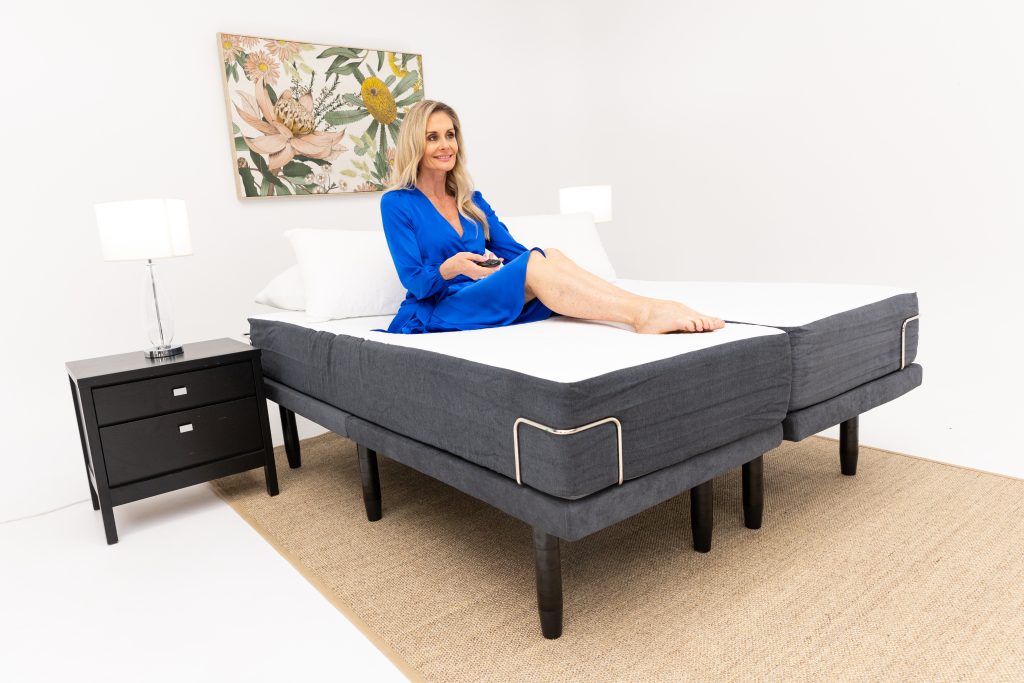
Now you know the room basics, it’s time to pick the bed. The adjustable bed restless leg syndrome guide starts with core features.
Look for dual‑motor power. One motor lifts the head, the other lifts the foot. This lets you raise the legs without moving the head. A strong motor will lift up to 30 cm without strain.
Next, check for preset positions. A “zero‑gravity” button lifts the head 15 degrees and the foot 30 degrees. That angle opens the hips and lets blood flow back to the heart. Many users with RLS say the zero‑gravity preset reduces leg twitching.
Third, consider massage. Our pick, Sleep Sophie, does not list a massage, but the other two models do. If you love a gentle vibration, choose a model with at least two intensity levels. Massage can calm nerves before you drift off.
Fourth, think about the remote. A wireless remote that stays on the nightstand is easier than a wall‑mounted panel. Some remotes also let you save favorite angles.
Fifth, verify weight capacity. If you share the bed or have a heavy mattress, look for a base that holds at least 300 kg. A higher limit means the motors stay stable over years.
Here is a quick comparison of features you should ask about:
| Feature | Why it helps RLS | What to look for |
|---|---|---|
| Dual‑motor | Independent leg lift | Separate head and foot motors |
| Zero‑gravity preset | Creates a 120‑degree hip angle | One‑touch button |
| Massage | Vibrates nerves, reduces urge | ≥2 intensity levels |
| Remote | Easy adjustment at night | Wireless, back‑lit |
| Weight limit | Stays quiet and steady | ≥300 kg |
Our pick, Sleep Sophie, wins on overall comfort and build quality even without a listed massage function. The solid frame and quiet motors make it a safe base for nightly leg elevation.
If you want a lower price and a simple design, the Lucid L300 offers head‑foot lift without massage. It’s a good starter if you’re on a budget.
Read more about what to look for in an adjustable base in the Good Housekeeping review of adjustable beds. It walks through motor strength and extra tech.
Another helpful article explains how built‑in USB ports can keep a phone charged while you read in bed. That small perk can make bedtime feel more relaxing.
For a deeper dive on how the right angle eases RLS, check out the Adjustable Bed for Restless Leg Syndrome Australia: A Practical Guide. It shows real‑world set‑ups from Aussie users.
Step 3: Set Up Your Bed for Optimal Leg Relief
Now that you own the right adjustable bed restless leg syndrome solution, you need to set it up right. Follow these steps.
Step 1: Unpack the box. Lay out the frame, motors, and remote. Check that all bolts are present.
Step 2: Assemble the frame. Most bases snap together. Use the supplied Allen key to tighten the side rails. Do not over‑tighten , you want a snug fit, not a cracked joint.
Step 3: Install the motor brackets. Align the head and foot sections with the pre‑drilled holes. Push the motors in until you hear a click.
Step 4: Plug the power cord into a grounded outlet. The LED on the base should turn green.
Step 5: Test the motion. Press the “head up” button and watch the head rise slowly. Then press “foot up” and note the leg lift.
Step 6: Add the mattress. A 10‑inch foam mattress bends easily and stays flush with the base. If you use a hybrid, make sure it’s under 12 inches so the hinge can move.
Now you can start fine‑tuning angles.
For leg relief, try a “leg‑up” preset: raise the foot 20 cm while keeping the head flat. This angle helps blood flow back to the heart and eases the urge to move.
If you feel a pinch in the lower back, add a slight head lift of 5‑10 degrees. That creates a gentle curve that supports the spine.
Many users find that a 30‑degree foot lift combined with a 10‑degree head lift feels like a “zero‑gravity” position. It spreads weight evenly and reduces pressure points.
Here are three quick set‑up tips:
- Keep the remote on a nightstand within arm’s reach.
- Use the built‑in LED light to see the controls in the dark.
- Check that the base is level; wobble can cause the motors to work harder.
If you run into hiccups, the manual often has a troubleshooting chart. Common fixes include resetting the power or tightening loose bolts.
For a step‑by‑step video on assembling a base, see the Dial‑a‑Bed guide on setting up an adjustable bed. It walks through each piece with pictures.
Want ideas for positions that help RLS? The Zinus article on sleep positions lists four setups, including the neutral 120‑degree hip angle.
Step 4: Integrate Complementary Lifestyle Changes
Even the best adjustable bed restless leg syndrome tool works best with healthy habits. Small tweaks can boost the effect.
First, look at your diet. Iron, folate, and magnesium support nerve health. Eat red meat, beans, leafy greens, and nuts. Pair iron‑rich foods with vitamin C (citrus, broccoli) to improve absorption.
Second, limit caffeine and alcohol after lunch. Both can trigger RLS spikes at night. Try a caffeine‑free tea after 3 p.m.
Third, stretch before bed. A five‑minute calf stretch can calm the muscles. Sit on the floor, extend one leg, and gently pull the toes toward you. Hold for 30 seconds, then switch.
Fourth, keep a regular sleep schedule. Go to bed at the same time each night, even on weekends. Consistency trains the body clock and reduces nighttime leg urges.
Fifth, manage stress. Deep‑breathing or a short meditation can lower nerve excitability. Try a 4‑7‑8 breathing pattern: inhale for 4 seconds, hold for 7, exhale for 8.
Here are three actionable habits you can start this week:
- Add a magnesium‑rich snack (almonds or pumpkin seeds) before dinner.
- Set an alarm at 9 p.m. to begin a calming stretch routine.
- Swap evening coffee for herbal tea without caffeine.
Research shows that iron deficiency is a common trigger for RLS. The Healthline guide on RLS diet lists the best foods and explains why vitamin C helps iron absorption.
A study of pregnant women found that 22 % experienced RLS due to hormone shifts. If you are pregnant, talk to your doctor about iron testing and safe supplements.
The Beaudoin Beds page on RLS also recommends pairing an adjustable base with a pressure‑relieving mattress for the best night‑time comfort.
Remember, lifestyle changes are a marathon, not a sprint. Small, consistent steps add up to big relief.
Step 5: Monitor Progress and Adjust Settings
Now you have the bed set up and healthy habits in place. The next step is to track how you feel.
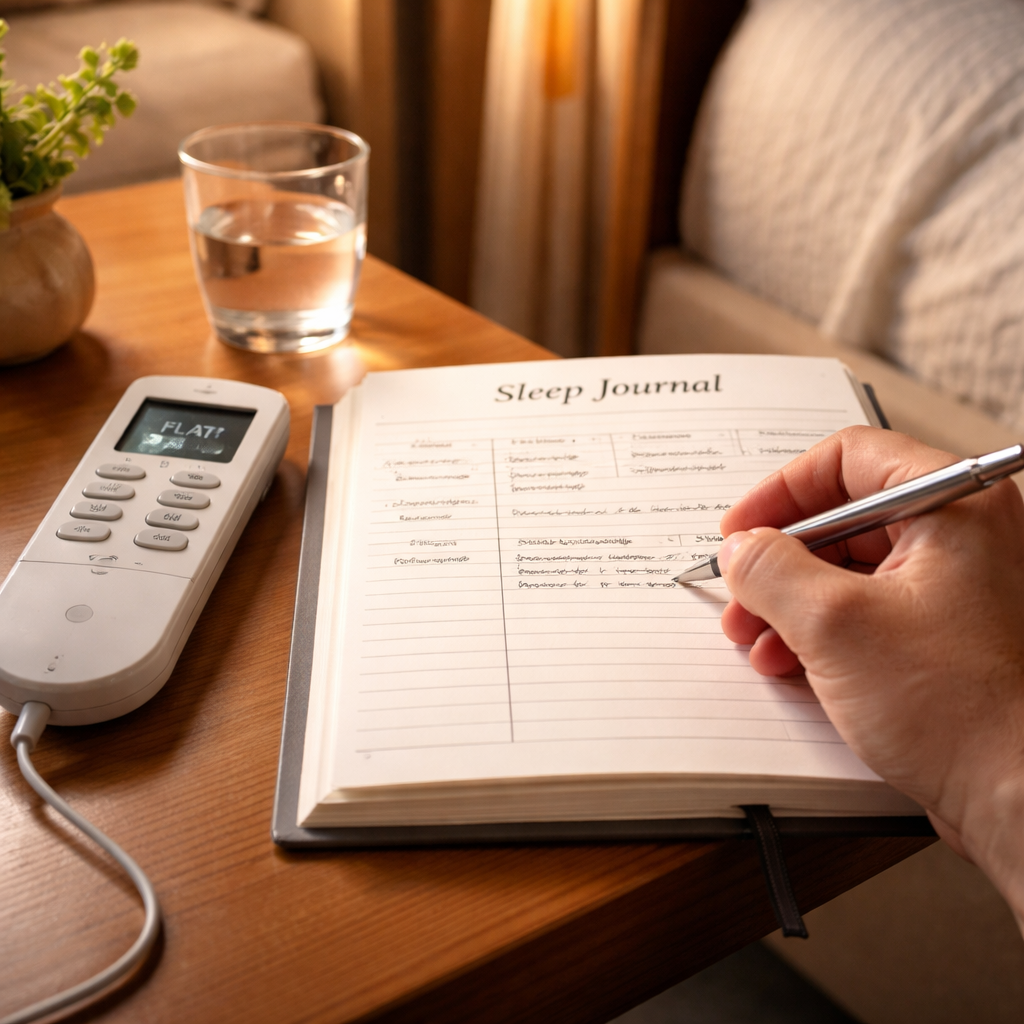
Start a simple log. Write down the date, the angle you used, how long you slept, and how many leg movements you noticed. A notebook works, or a notes app on your phone.
Look for patterns after a week. If a 20‑cm foot lift reduced twitching, note that as a winning setting. If the same angle caused a sore calf, lower it by 5 cm.
Most adjustable beds let you save presets. Save the best RLS angle as “RLS Relief”. That way you can press one button each night.
Adjust the timer on any high‑angle position. Set it to lower the foot after 30 minutes. This prevents the legs from staying too high for too long, which can cause swelling.
Check the motor sound level. A quiet motor (< 40 dB) won’t disturb light sleepers. If you hear a hum, tighten the bolts or lubricate the motor per the manual.
Here are three monitoring tips:
- Rate your sleep on a 1‑10 scale each morning.
- Mark any days you felt extra leg urges.
- Compare the ratings after you change an angle.
When you see improvement, keep that setting. If the rating drops, try a different angle or add a short massage cycle.
The Sleep Foundation’s RLS page notes that a pressure‑relieving hybrid mattress works well with an adjustable base. Pairing the right mattress with your chosen angle can further cut leg movements.
Finally, revisit your lifestyle log. If you added more iron foods and your leg urges fell, you have a winning combo of bed and diet.
Conclusion
Adjustable bed restless leg syndrome relief is within reach. Start by cleaning up your bedroom, pick a bed with dual‑motor lift and a zero‑gravity preset, set it up carefully, add a few diet and stretch habits, then watch how the numbers change in your sleep log.
Our pick, Sleep Sophie, offers quiet motors and solid comfort, making it the top choice even without a massage function. If you need built‑in massage, the Split Queen Bed base adds that plus a ten‑year warranty.
Take the first step tonight. Raise those legs, note how you feel, and fine‑tune the angle. In a few weeks you’ll likely notice fewer twitches and deeper sleep. Ready for better rest? Explore the range at Sleep Sophie and find the model that fits your space and budget.
Frequently Asked Questions
Can I use an adjustable bed restless leg syndrome base with any mattress?
Most mattresses that are 10‑12 inches thick will bend with the base. Foam and hybrid mattresses work best because they stay flexible. A thick spring mattress may not flex enough and could cause a gap. Check the manufacturer’s guide for the max thickness. If you’re not sure, start with a 10‑inch foam mattress and see how it feels.
How high should I raise my legs for RLS relief?
Start with a 15‑20 cm foot lift. That angle helps blood flow back to the heart without putting pressure on the knees. If you still feel twitching, raise another 5 cm. Keep the head flat or only a small lift (5‑10 degrees) so the spine stays neutral. Use the remote to make small adjustments until you find the sweet spot.
Do I need a massage feature to calm restless legs?
Massage can help, but it isn’t required. Many users find that simply elevating the legs and using a cool mattress reduces urges. If you love a gentle vibration, choose a model with at least two intensity levels. Our pick, Sleep Sophie, relies on elevation and comfort, which many people find sufficient.
Can I set a timer so the bed returns to flat after I fall asleep?
Yes. Most modern bases let you program a timer on each preset. Set the foot lift to 30 minutes, then the bed will automatically lower to flat. This protects circulation and prevents the legs from staying high too long.
Is it safe to use the adjustable bed if I have a medical condition?
Generally, yes. The bed moves slowly and stops if it meets resistance. If you have severe arthritis or a spinal injury, talk to your doctor first. Many physiotherapists recommend a gentle head‑up angle for back pain, which also helps RLS.
How often should I clean the base and remote?
Wipe the base with a damp cloth once a week. Avoid harsh chemicals that could damage the motor housing. For the remote, use a soft, dry cloth. If you notice dust in the motor vents, a gentle vacuum on low suction can keep the moving parts cool.