
High blood pressure can turn bedtime into a restless battle. When you lie flat, the heart works harder and the pressure spikes, leaving you tired and uneasy. An adjustable bed lets you lift the head or raise the legs just enough to ease that strain, promoting smoother circulation while you sleep. For people with hypertension in Australia, a small angle of 30 degrees can make a real difference, especially for seniors or anyone dealing with chronic pain.
Here’s how it works: the electric motor tilts the mattress, reducing the force of gravity on your vessels. You can experiment with a gentle incline while reading or watching TV, then lower it for a deeper rest. Many caregivers find that letting a loved one adjust the position on their own gives them a sense of control and cuts nightly interruptions.
If you’re unsure what to look for, check out our guide on features to look for in an adjustable bed. It walks you through key specs like weight capacity, quiet motors, and easy‑to‑use remote controls, all of which matter when managing hypertension.
Start by testing a few tilt settings for a week. Note how your morning blood pressure feels, how rested you are, and whether you wake less often. Adjust the angle until you find a sweet spot that feels calm and supportive.
Another tip is to pair the bed’s positioning with a bedtime routine that keeps the heart calm. Dim the lights, avoid caffeine after 4 pm, and do a few gentle stretches while the head is slightly raised. This can lower the sympathetic response that pushes blood pressure up. If you use a mattress that breathes well, you’ll stay cool, which also helps keep the vessels relaxed. Safety matters too. Make sure the bed has a sturdy frame and a reliable stop‑button in case the motor stops suddenly. A bedside remote that’s easy to grip works well for seniors with limited hand strength. Some models also offer a low‑profile side rail that can be lifted for easy entry and lowered for extra support at night.
Step 1: Assess Your Sleep Needs
First, write down how many hours you actually sleep each night. Use a phone app or a simple notebook. Do the same for the time you wake up and any middle‑of‑night trips.
Next, pair that log with your blood pressure readings. If you already measure at home, note the numbers before bed and in the morning. Look for patterns – does a higher reading follow a night of flat sleep?
Ask yourself how comfortable you feel when you lie flat. Do you wake up with a tight chest, a pounding head, or sore joints? Those clues tell you whether the current position is adding strain.
Try a quick experiment: for three nights, raise the head of the bed by about 15‑20 cm (roughly a 30‑degree angle). Keep the leg section flat. Record any change in how rested you feel and if your morning pressure drops.
Write down the results. If the tilt helps, you’ve found a baseline. If not, try lifting the legs a little or combining both head and leg lifts. The goal is a position that feels calm and lets you breathe easy.
For people with chronic pain or seniors, it can be useful to involve a caregiver in the tracking. They can note how often the person shifts during the night and whether they need help getting in and out of bed.
Once you have a clear picture, you can pick a bed that lets you make those adjustments easily. Adjustable Bed for Edema Swelling Australia: How to Choose the Right One gives a good guide on finding models with smooth controls.
To round out a hypertension‑friendly routine, consider adding a supplement that supports heart health. Exuvital offers science‑driven wellness products that complement better sleep.
If you’re an active adult, pairing your bed with a recovery program can boost results. TriVelo Coaching provides cycling and triathlon coaching that includes sleep and blood‑pressure tips.
Step 2: Choose the Right Adjustable Bed Features
Picking the right features can be the difference between a restless night and a calm, low‑pressure sleep. You want a bed that works with your body, not against it.
First, look at the incline range. A head‑lift of 20‑30 degrees and a foot‑lift of up to 15 degrees cover most hypertension‑friendly positions. Next, check the motor sound level – a quiet motor keeps the bedroom peaceful, especially for light sleepers.
Remote control matters too. A simple, large‑button remote is easier for seniors or anyone with limited hand strength. Some beds even let you set preset angles, so you don’t have to fiddle each night.
Weight capacity is another must. Make sure the frame supports both you and any added accessories, like a bedside monitor. Safety rails that fold down quickly add confidence when getting in and out.
Don’t forget mattress support bars. They stop the mattress from sliding when you tilt the bed and keep the surface stable. For a full rundown of these points, see features to look for in an adjustable bed.
Tracking how the bed feels over time helps you fine‑tune the angles. A habit tracker can log your sleep quality, blood‑pressure readings, and how often you adjust the bed. Try the habit tracker app Askesis to keep a clear record.
After you’ve set your preferred angles, spend a week sleeping with them. Note any change in morning blood pressure or how rested you feel. Small tweaks can lead to big comfort gains.

Step 3: Setting Up and Adjusting Your Bed for Hypertension Support
First, clear a space next to a power socket. Lay the base on the floor, then slide the mattress on. If you pick a floor‑line model, the frame can sit as low as 6.7 cm, which cuts the chance of a fall for seniors or anyone with limited mobility.
Plug the unit in and let the motor warm up for a minute. Most remote controls work with one hand, press the power button, then the “head up” arrow. You should feel a smooth lift, not a grinding noise.
Find the right angle
Start with a gentle 15‑degree head raise. Sleep on it for a night and note how you feel in the morning. If blood pressure still feels high, add another 5‑10 degrees or try a slight foot raise. Many caregivers report that a combined head‑and‑foot tilt eases breathing and reduces night‑time strain.
Use preset positions
Some models include a “zero‑gravity” button that lifts the head and bends the knees at the same time. This position lines the spine and can help blood flow back to the heart. If the remote has a custom preset, program it to your favourite hypertension‑friendly tilt.
Safety first
Check that side rails lock firmly and that the stop button cuts power instantly. Test the anti‑entrapment feature by sliding a hand between the rail and frame, the bed should stop.
Finally, write a quick checklist:
- Frame on level floor, low enough for safe entry.
- Power on, motor quiet.
- Remote works with one hand.
- Head angle 15‑30°, foot angle optional.
- Side rails locked, stop button tested.
For more detail on floor‑line options and safety features, see this Back Care Online guide.
Step 4: Compare Top Adjustable Bed Models for Hypertension in Australia
When you pick a bed, think about three things: how the head lifts, how quiet the motor is, and how easy the remote feels in your hand. Those bits matter most for keeping blood pressure calm at night.
Model snapshot
| Model | Head‑tilt range | Noise (dB) | Price range (A$) |
|---|---|---|---|
| Sleep Sophie Premium | 0‑30° | ~40 | 8,500‑10,000 |
| Mid‑range electric base | 0‑25° | ~45 | 5,000‑6,500 |
| Budget split base | 0‑20° | ~50 | 3,000‑4,200 |
Sleep Sophie’s top pick comes with a wide remote, side rails that lock with one click, and a motor that stays below 45 dB – the level most people can’t hear. That quiet helps you stay asleep, which can keep morning pressure lower.
A mid‑range model from a local retailer often offers the same lift range but may have a smaller remote and a slightly louder motor. If you’re on a tighter budget, a split base can still lift the head enough to help breathing, but the foot section may not move and the noise can be a bit higher.
Here’s how to decide:
- Try the remote. Press the head‑up button once – it should move smoothly without a grind.
- Listen from the foot of the bed. If you can hear a hum louder than a quiet fan, you might want a quieter model.
- Check the weight limit. Make sure it’s at least 130 kg for most users.
One practical tip: ask the retailer to demo the bed for a full night. Sit on the edge, lift the head, and see if the side rail locks without a fight. If you feel safe and the motor is quiet, you’ve likely found a good match.
For more on what to look for when you shop, see the consumer guide from CHOICE that walks through key features and price points.CHOICE adjustable‑bed buying guide.
Step 5: Maintenance, Warranty, and Buying Tips
Regular care lets your adjustable bed stay quiet and safe for years.
Simple maintenance routine
Wipe the base with a soft cloth every week. A little dust won’t hurt the motor, but a build‑up can make it louder.
Check the screws and bolts once a month. Tighten any that feel loose, a tight frame means a stable lift.
Rotate the mattress each season. Even wear prevents sagging and keeps the tilt smooth.
Know your warranty
Most Australian beds come with a warranty that covers faulty parts and workmanship. Keep your purchase receipt and note the start date.
If the motor stops or the remote glitches, call the seller before trying to fix it yourself. Under Australian Consumer Law you’re entitled to a repair or replacement for a major fault.
Buying tips that save hassle
Pick a model that offers at least a 12‑month service plan. That way you can get a professional check before small issues turn big.
Look for a quiet motor under 45 dB, the noise level most people can’t hear while they sleep.
Choose a bed that matches your weight limit, usually 130 kg or more for seniors and NDIS users.
One practical trick: ask the shop to demo the bed for a full night. Sit up, press the head‑up button, and listen for any grind. If it feels smooth, you’ve likely found a good fit.
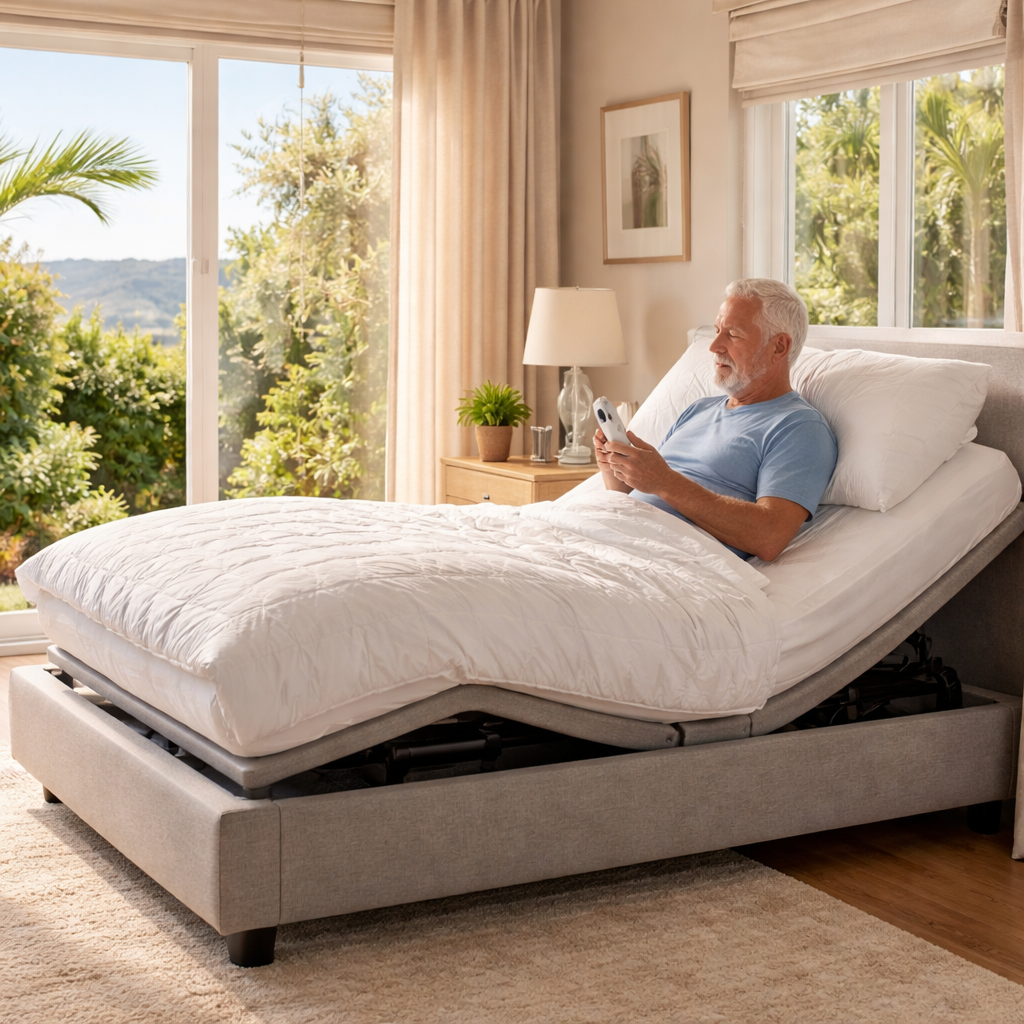
Follow these steps and your adjustable bed will keep helping your blood pressure stay calm night after night.
Conclusion
An adjustable bed for hypertension australia can turn a restless night into a calmer one. You’ve seen how tilt, quiet motors, and easy controls work together.
Pick a bed that lifts the head just enough to ease pressure, and keep the motor below 45 dB. If the remote feels smooth, you’re likely on the right track. So, does that sound doable?
Remember the simple routine: test the bed for a full night, note how your blood pressure feels in the morning, and adjust the angle until you feel relaxed.
Regular checks, wipe dust, tighten bolts, rotate the mattress, keep the system quiet and safe for years. What could be simpler?
If anything feels off, call the seller before you try to fix it yourself; Australian Consumer Law backs you up.
Take the next step today: choose a model that matches your weight limit, ask for a demo, and enjoy nights that let your heart rest easy.
FAQ
How does an adjustable bed help with hypertension in Australia?
Raising the head of the bed eases the strain on your heart. When you tilt up 15-30°, gravity pulls less blood to the chest. This can lower the pressure your body works against while you sleep. Many people with hypertension find they wake up feeling calmer and their morning reading is lower. The bed does the work for you, so you don’t have to guess a new position each night.
What head‑tilt angle is best for lowering blood pressure at night?
Start with a gentle 15-degree lift. Sleep a few nights and note how you feel in the morning. If pressure is still high, add another 5-10 degrees. Most experts say 30 degrees is a safe max for most sleepers. Keep the foot section flat at first; you can raise it later if you need extra comfort.
Are quiet motors important for blood‑pressure control?
Yes. A loud motor can wake you up and cause a spike in stress hormones, which pushes pressure up. Look for a motor that runs under 45 dB – that’s about as quiet as a soft fan. When the sound is barely there, you stay in deep sleep longer, and your heart stays relaxed.
How often should I clean and check the bed to keep it safe?
Wipe the base with a soft dry cloth once a week. Dust can make the motor work harder and get louder. Check the bolts and screws once a month; tighten any that feel loose. Test the stop button each time you plug the bed in – it should cut power instantly. A quick check each month keeps the bed quiet and safe for years.
Can I use the bed if I’m on NDIS funding?
Many NDIS participants list an adjustable bed as a therapeutic aid. The bed must meet the Australian Standard for height‑adjustable beds and have a clear safety stop. Talk to your planner about the budget line for “assistive sleep equipment.” Provide a quote that shows the motor noise level and weight capacity – those details help the claim get approved.
What warranty or consumer protections apply in Australia?
Most beds come with at least a 12-month warranty that covers faulty parts and workmanship. Keep your receipt and note the start date. Under Australian Consumer Law you have a right to a repair, replacement, or refund if the bed has a major fault. Call the seller as soon as you notice a problem – the law backs you up.