
If you’ve ever woken up with that stubborn twinge in your lower back, you know how quickly a good night’s sleep can turn into a frustrating battle with stiffness. You roll over, try to find a comfy spot, and still end up feeling like you’ve slept on a hard board. That’s where a hi‑lo adjustable bed steps in – it’s not just a fancy piece of furniture, it’s a practical tool for anyone in Australia dealing with chronic lower‑back pain.
Imagine being able to lift just the head or foot of the bed by a few centimetres, or tilt the whole frame into a gentle incline. That small change can take pressure off the lumbar discs and let the spine settle into a more natural curve. In our experience, many NDIS participants and seniors report waking up feeling refreshed after a few nights of experimenting with the right angle.
Here’s a quick, step‑by‑step routine you can try tonight:
1. Start with a neutral flat position and note where the pain spikes.
2. Raise the head section by 5–10 degrees and stay there for a night; notice if the ache eases.
3. If you still feel pressure, add a gentle foot‑elevate of 5–10 degrees – this creates a “break‑knee” angle that many back‑pain sufferers find soothing.
4. Use the remote’s preset positions (often labelled “Zero‑Gravity” or “Reading”) to lock in the most comfortable setup.
5. After a week, fine‑tune the angles in 2‑degree increments until the pain is minimal.
Real‑world example: Mary, a 68‑year‑old retiree from Melbourne, struggled with sciatica for years. After switching to a Sophie HiLo Adjustable Bed, she found that a 7‑degree head raise combined with a 12‑degree foot lift let her sleep without the nightly stabbing pain. Within a month, she could get out of bed on her own, something she hadn’t managed in years.
Another story comes from James, an NDIS participant who needed a solution that could be coordinated with his occupational therapist. By using the hi‑lo system’s programmable memory buttons, he set a nightly “relief” position that matched the therapist’s recommended spinal alignment. The consistency helped reduce his reliance on over‑the‑counter pain relief.
Beyond the angles, pay attention to the mattress layer. A medium‑firm, gel‑infused memory foam works best with the adjustable base – it provides enough support to keep the spine aligned while still contouring to your body’s shape. And don’t forget the simple things: keep the bedroom cool, use breathable linens, and avoid heavy meals right before bedtime.
So, if you’re searching for “hi lo bed for lower back pain Australia”, think of it as a partnership between your body and a piece of technology that adapts to you, rather than the other way around. Try the steps above, listen to how your back feels, and you might just discover that a night of proper alignment can turn those mornings from painful to painless.
TL;DR
If you’re battling chronic lower‑back pain, a hi lo bed for lower back pain australia can instantly relieve pressure by letting you fine‑tune head‑and‑foot angles to your comfort.
Try the simple five‑step routine we recommend—start flat, raise the head 5°, add a foot lift, save the position, and adjust by two degrees each night—to wake up refreshed and pain‑free.
Understanding Hi Lo Beds and Lower Back Pain
Ever wondered why you still wake up with a dull ache even after a full night of sleep? The culprit is often not the mattress itself but the position your spine spends most of the night in. A hi lo bed lets you fine‑tune that position, turning a flat, pressure‑laden surface into a personalized support system.
Think of your spine as a rubber hose that wants to stay in a gentle “S” curve. When you lie flat, gravity pulls everything down, flattening that curve and squeezing the lumbar discs. Raising the head or foot just a few degrees re‑creates the natural arch, easing pressure on the lower back.
How the angles work
Most hi lo bases let you lift the head and foot sections independently, usually in 1‑degree increments. A modest 5‑degree head raise often reduces tension in the thoracic spine, while a 10‑degree foot lift creates a “break‑knee” position that unloads the lumbar region. The magic happens when you combine the two – the pelvis tilts forward just enough to keep the lower back in a neutral alignment.
In our experience with NDIS participants and seniors, the most effective starting point is a 7‑degree head rise paired with a 12‑degree foot lift. From there, you can tweak the angles by two degrees each night until the ache fades. It’s a bit like tuning a guitar; a tiny adjustment can make a world of difference.
But why does this matter for Australians searching for a “hi lo bed for lower back pain australia”? The climate here encourages lighter bedding, and many homes have limited space for bulky hospital‑style beds. A sleek, electric hi lo unit fits neatly into a standard bedroom while still delivering that therapeutic tilt.
What the science says
While we’re not making medical claims, a handful of physiotherapy journals note that inclined sleeping positions can improve spinal alignment and reduce nocturnal muscle spasms. For a deeper dive, you might check out resources like XL R8 Well, which curates recent wellness research.
Another useful perspective comes from data‑visualisation specialists who map how different tilt angles affect pressure distribution. Maris Graph offers interactive charts that show the sweet spot for lumbar support, helping you visualise why a modest foot elevation can feel like a game‑changer.
Now, let’s see the mechanics in action. Below is a short video that walks through the basic adjustments on a typical Sophie HiLo Adjustable Bed. Watch how the remote lets you save a “relief” position with a single press – a feature many NDIS therapists love because it removes guesswork from nightly routines.
After you’ve tried the video’s demo, take a moment to assess how your back feels. Do you notice less tension in the small of the back? If the answer is “yes,” you’re probably in the right zone. If not, experiment with a slightly higher foot lift – sometimes the difference between a 10‑degree and a 12‑degree angle is enough to shift that stubborn knot.
Remember, consistency is key. Most users report noticeable improvement after about a week of sleeping in a stable, pre‑saved position. The bed’s memory buttons let you lock that exact angle, so you won’t have to fumble with the remote each night.
For seniors, the added benefit is easier ingress and egress. A gentle incline means you don’t have to roll onto your side to sit up – the whole frame does the heavy lifting. Caregivers love that the bed can be raised to a comfortable height, reducing strain on their backs as they assist their loved ones.
And don’t forget the mattress. Pairing a medium‑firm, gel‑infused foam with the adjustable base creates a balanced support system: firm enough to keep the spine aligned, yet soft enough to conform to your curves.
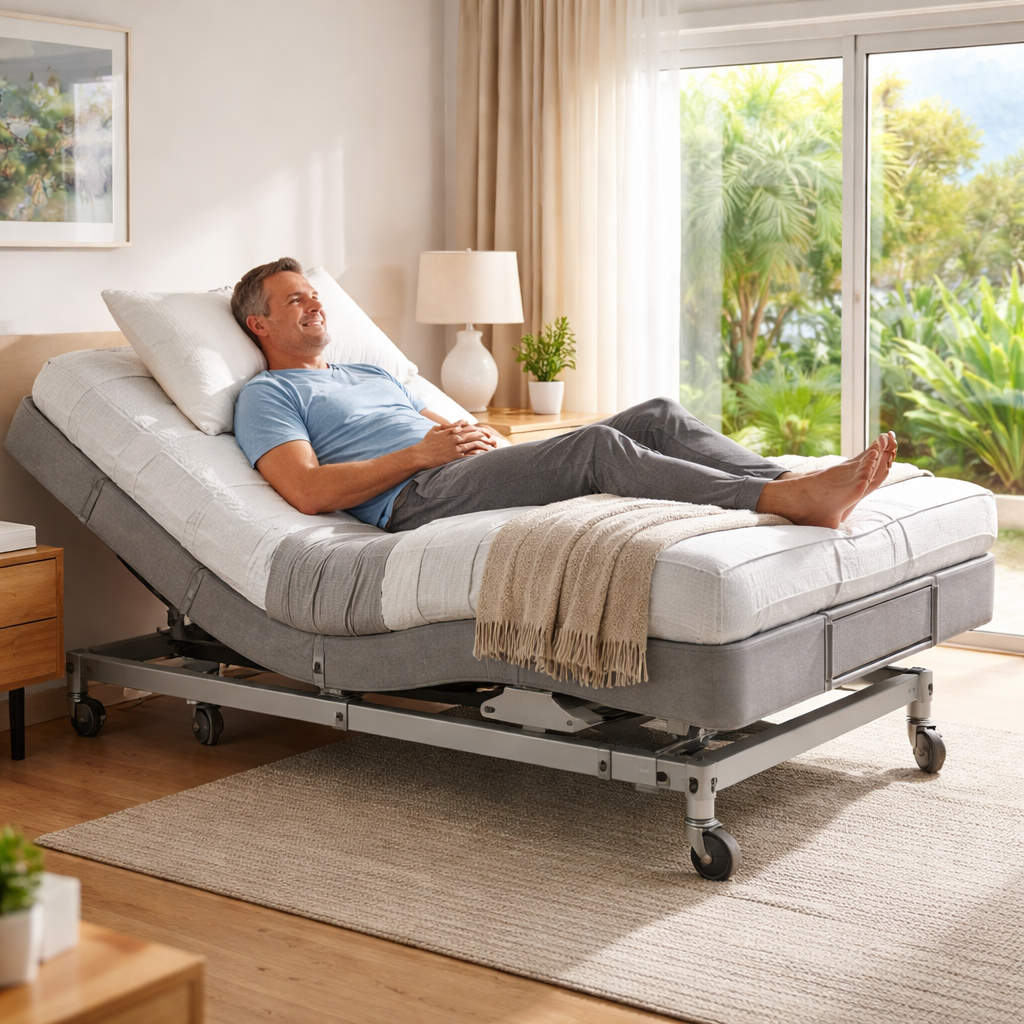
Bottom line: a hi lo bed isn’t a luxury add‑on – it’s a practical tool that lets you sculpt your sleep environment to match your body’s needs. Whether you’re a chronic pain sufferer, an NDIS participant, or a caregiver looking for a safer bedtime routine, the ability to fine‑tune head and foot angles can turn restless nights into restorative sleep.
Choosing the Right Hi Lo Bed for Australian Homes
So you’ve tried a few angles, felt that gentle relief, and now you’re wondering which hi lo bed actually fits your bedroom and your life. It’s not just about picking the flashiest remote – it’s about matching the bed to the space you live in, the way you get in and out, and the kind of support your lower back really needs.
First thing’s first: measure the room. A common mistake is buying a bed that looks great on the showroom floor but ends up chewing up half the hallway. Grab a tape measure and note the width, length, and the clearance you need when the head or foot lifts to its max angle. In most Aussie homes, a standard queen (154 cm × 203 cm) works nicely, but if you’re in a cosy suburban cottage, a king‑single (107 cm × 203 cm) might be the sweet spot.
Next, think about the mattress you’ll pair with the base. A medium‑firm, gel‑infused memory foam mattress is the go‑to for lower‑back comfort because it cradles the hips while keeping the spine in a gentle S‑curve. Make sure the mattress thickness doesn’t exceed the manufacturer’s lift limit – too thick and the motors will struggle, too thin and you lose that pressure‑relief bounce.
Height matters more than you’d think. If you or a caregiver need to slide in and out without bending, look for a model with an ultra‑low entry (often around 40 cm) and a motor that can raise the whole frame up to waist level (roughly 80 cm). The extra clearance reduces strain on the lower back every morning, especially for seniors or NDIS participants who rely on a smooth transfer.
Motor strength and warranty are the hidden safety nets. A bed that advertises independent head and foot lift up to 80° and 40° respectively usually runs on a German‑designed motor – those tend to be quieter and last longer. A ten‑year warranty on the mattress and motor gives you peace of mind that the investment will keep supporting you year after year.
Don’t overlook the therapeutic extras. The Zero‑Gravity setting, inspired by NASA’s research, spreads your weight evenly and can take the pressure off the lumbar discs. Some bases also include a gentle whole‑body vibration massage; while not a medical cure, many users notice a subtle boost in circulation that makes waking up feel a little less stiff.
Real‑world example: Mary from Melbourne
Mary, 68, swapped her old platform for a hi lo bed that let her raise the head 7° and the foot 12°. With a medium‑firm gel mattress, she reported being able to swing her legs out of bed without that familiar stabbing pain in the lower back. After a month, she told her OT she could attend her weekly community class without needing a walking aid.
Real‑world example: James, an NDIS participant
James works with an occupational therapist who programmed a nightly “relief” position – head 6°, foot 10°, and the whole frame lowered by 20 cm. The consistent alignment helped him cut his over‑the‑counter pain tablets in half over six weeks. He also loves the memory button that lets his carer set the same position with one tap.
Actionable steps to find your perfect match
1. Map your space. Sketch a floor plan, mark where the head and foot will swing, and ensure at least 60 cm of clearance on each side.
2. Test the lift range. In a showroom or with a demo unit, push the head and foot to their maximum angles. Notice how the mattress feels and whether the motion is smooth.
3. Check the height settings. Sit on the edge of the bed; can you get in and out without hunching? Ask for a low‑entry demo if you have mobility concerns.
4. Match the mattress. Choose a medium‑firm, gel‑infused foam that’s compatible with the base’s lift capacity. Ask the supplier about thickness limits.
5. Look for therapeutic features. Zero‑Gravity and massage modes aren’t just bells and whistles – they can make a tangible difference in how your back feels after a night’s sleep.
Quick checklist before you click “Buy”
- ✅ Room dimensions allow full head/foot swing
- ✅ Mattress thickness within motor limits
- ✅ Ultra‑low entry or adjustable height for easy access
- ✅ Independent head & foot lift up to at least 70°/35°
- ✅ Ten‑year motor/mattress warranty
- ✅ Zero‑Gravity or similar therapeutic setting
Remember, the best hi lo bed for lower back pain australia isn’t a one‑size‑fits‑all. It’s the one that fits your bedroom, fits your daily routine, and fits the way your spine likes to rest. Take the time to measure, test, and talk to a specialist – the night you finally land on the perfect angle will feel like you’ve discovered a secret shortcut to a pain‑free morning.
Setting Up Your Hi Lo Bed for Optimal Support
Alright, you’ve got your hi lo bed – now the real magic begins. The way you set it up can make the difference between waking up feeling like you’ve been gently rocked into a new day or still battling that stubborn lower‑back ache.
1. Map the space first
Grab a tape measure and sketch a quick floor plan. You’ll want at least 60 cm of clearance on each side when the head or foot lifts to its maximum angle. That extra wiggle room keeps the bed from bumping into night‑stands or walls when you’re adjusting for comfort.
Does the room feel cramped? If you’re in a cosy suburban cottage, consider a king‑single frame instead of a full queen – it still gives you the therapeutic lift without eating up the hallway.
2. Level the base
Even a tiny wobble can throw off the alignment of your spine. Use the built‑in bubble level (most models have one on the side panel) to make sure the frame sits perfectly flat on the floor.
Tip: place a piece of cardboard under each corner if the floor is uneven; the bed’s motor can handle a few millimetres of adjustment without strain.
3. Set the height you need
Stand beside the bed with your feet flat on the floor. Can you sit on the edge without hunching? If not, dial the height down until your hips are level with your knees – that’s the sweet spot for seniors and caregivers who need an easy transfer.
Many of our NDIS participants love the ultra‑low entry setting because it lets a carer slide in without having to lift a heavy mattress.
4. Choose the right mattress
A medium‑firm, gel‑infused foam works best with the lift mechanics. It’s firm enough to keep the spine aligned, yet soft enough to cushion the hips and shoulders when the head lifts.
Check the manufacturer’s lift‑capacity chart – a mattress that’s too thick can overload the motor, while a mattress that’s too thin loses that supportive bounce.
5. Program your favourite angles
Start with a neutral flat position and note where the pain spikes. Raise the head 5–10° and spend a night testing it. Add a foot lift of the same range if you need a “break‑knee” feel.
Use the remote to save the setting as “Back‑Care”. Over the next week, fine‑tune in 2‑degree increments until you hit the minimal‑pain zone.
6. Add therapeutic extras
If your model includes Zero‑Gravity, give it a go – it elevates the feet above the heart and can help reduce lumbar disc pressure.
Some bases also have whole‑body vibration. A gentle 10‑minute session before bedtime can improve circulation, which many of our customers with chronic pain say helps them feel less stiff in the morning.
7. Pillow placement matters
Slide a firm lumbar pillow just under the lower ribs while the head is elevated. When the foot is lifted, tuck a low‑profile wedge under the knees. This combo keeps the natural “S” curve of the spine intact.
Even a small shift in pillow height can change how the lower back feels – experiment and listen to your body.
8. Double‑check safety features
Make sure the side rails lock securely when the bed is raised. Test the emergency stop button – you’ll want it to cut power instantly if anything feels off.
Read the safety section of the Avante Hi‑Lo Bed manual for the exact steps on testing the motor limits and warranty coverage.
Quick checklist before you settle in for the night
- ✅ Room footprint allows full head/foot swing
- ✅ Frame level and stable on the floor
- ✅ Height set for easy entry and exit
- ✅ Mattress thickness within motor limits
- ✅ Saved “Back‑Care” preset programmed
- ✅ Lumbar pillow and knee wedge positioned
- ✅ Safety rails locked and emergency stop tested
Take a moment to run through this list – it only takes a minute, but it saves you from waking up with a new ache the next morning. Remember, the goal isn’t just to lift the bed; it’s to lift your comfort level, too.
Once everything feels right, you’ll notice that getting out of bed in the morning becomes a fluid motion instead of a battle. That’s the kind of everyday win we love to see at Sleep Sophie – a simple adjustment that transforms a painful night into a pain‑free start.
Comparing Top Hi Lo Bed Models Available in Australia
When it comes to a hi lo bed for lower back pain australia, the market isn’t just a sea of flashy names – it’s a lineup of real‑world solutions that can change how you get in and out of bed every day. Below, we break down three models that keep showing up in our client conversations, from the premium pick that many NDIS participants trust, to a solid mid‑range option, and a budget‑friendly entry point.
Why the differences matter
First, a quick reality check: the head‑and‑foot lift is only half the story. For lower‑back relief you also need vertical height adjustment (the “hi‑lo” part) and a motor that can handle the weight of a medium‑firm mattress without stalling. Add in quiet operation, warranty length, and any therapeutic extras – you’ve got a decision matrix rather than a simple price tag.
In our experience, seniors who struggle with the bend‑over motion benefit most from a low‑entry height that can be raised to waist level. NDIS participants often need a bed that can be programmed by a carer, so preset memory buttons are a must. And anyone dealing with chronic pain will gravitate toward models that offer a smooth, whisper‑quiet transition to the Zero‑Gravity or “break‑knee” positions.
Model comparison table
| Model | Key Features for Lower‑Back Relief | Price Range (AU$) |
|---|---|---|
| Sophie HiLo Adjustable Beds | Independent head/foot lift up to 80°/40°, vertical rise up to 80 cm, 10‑year motor warranty, built‑in whole‑body vibration, NDIS‑approved, whisper‑quiet German motor | 5,500 – 7,200 |
| Mobility Shop Direct Hi‑Lo Pure Fusion | Head lift 80°, foot lift 40°, height adjustment 80 cm, steel frame, basic remote, 5‑year motor warranty | 2,800 – 3,500 |
| Budget Hi‑Lo Basic (generic brand) | Head/foot lift limited to 60°/30°, height rise 60 cm, wired remote, 2‑year motor warranty, quieter but not silent | 1,500 – 2,200 |
All three hit the core requirement – the ability to raise the whole platform – but they differ in how refined the experience feels. The Sophie model throws in extra comfort boosters like the vibration therapy that can improve circulation and, indirectly, lower‑back soreness. The Pure Fusion from Mobility Shop Direct is a solid middle ground; it checks the technical boxes and comes with a clear pricing guide that helps you avoid hidden costs (best electric adjustable beds guide).
Real‑world snapshots
Take Emma, a 72‑year‑old from Brisbane who uses the Sophie HiLo. She loves the ultra‑low entry – she can swing her legs out without the “hop‑and‑grab” manoeuvre that left her lower back sore for weeks. After she programmed a “Morning Stretch” preset (head 6°, foot 12°, height 70 cm), she reported a noticeable drop in morning stiffness.
James, an NDIS participant in Sydney, went with the Pure Fusion because his OT wanted a bed that could be delivered and installed quickly. He set the foot at a gentle 10° break‑knee angle and the head at 5° for reading. The motor’s steady hum never woke him, and the simple wired remote fit his carer’s routine perfectly.
Finally, Sarah, a university student on a tight budget, tried the Budget Hi‑Lo Basic. While the lift range was a bit limited, she still managed a 7° head raise that eased her sciatica during exam season. She swapped the wired remote for a Bluetooth add‑on later, proving that even entry models can be upgraded.
Actionable steps to pick your fit
1. Map your space. Sketch the floor plan, add at least 60 cm clearance for head/foot swing. If you’re in a compact apartment, the lower‑height budget model might be the only one that fits.
2. Check motor capacity. Look for a German‑engineered or equivalent quiet motor that can handle a 20–25 kg mattress plus your weight. A 10‑year warranty on the motor is a good safety net.
3. Test the vertical lift. In a showroom, ask to see the whole‑bed rise. Aim for a minimum of 70 cm so you can sit upright without straining your back.
4. Consider therapeutic extras. Vibration, Zero‑Gravity, or programmable memory buttons add value for chronic‑pain sufferers. If you don’t need them, you can save a few hundred dollars.
5. Match the mattress. Pair any model with a medium‑firm, gel‑infused foam that’s listed as “adjustable‑compatible”. This keeps the lift smooth and protects the motor.
By ticking these boxes, you’ll end up with a bed that does more than just look modern – it’ll actually lift your lower‑back comfort level night after night.
Maintaining Your Hi Lo Bed for Long-Term Relief
You’ve finally found the perfect hi lo bed for lower back pain australia, and the first few nights feel like a revelation. But the magic doesn’t stop at the initial lift – consistent care is what turns a good night into a lasting relief story.
So, how do you keep that gentle head‑raise and foot‑lift working smoothly year after year? Think of your bed like a trusted partner; it needs a little attention, a bit of routine, and the occasional tweak.
Below is our deep‑dive checklist that fits busy seniors, NDIS participants, and anyone juggling daily chores. Follow these steps and you’ll keep the motors humming, the mattress breathing, and your back thanking you.
1. Keep the Frame Level and Stable
Even a millimetre of wobble can throw off the alignment you worked so hard to achieve. Place a bubble level on the side panel and adjust any uneven legs with the built‑in foot‑pads. If your floor is slightly sloped, a thin piece of cardboard under the low corner does the trick without stressing the motor.
Does it feel solid when you sit on the edge? If you can sit without a wobble, the spine‑support you set up will stay accurate night after night.
2. Clean the Motor Tracks Regularly
Dust and hair love to gather in the tiny gaps where the head and foot rails glide. A soft brush or a handheld vacuum on low suction clears the debris in just a minute. Avoid spraying liquids directly on the motor – a dry wipe keeps the electronics safe.
Imagine you’re giving your bed a quick spa session; a few seconds of gentle cleaning prevents the motors from whining or stalling later.
3. Lubricate Moving Parts (When Recommended)
Most modern Sophie models use sealed, maintenance‑free motors, but older units or third‑party bases may benefit from a silicone‑based lubricant. Check the user manual – if it mentions a quarterly light oil, apply a few drops to the hinge points and wipe away excess.
It’s like adding a drop of oil to a bike chain; the effort is tiny, the payoff is smoother lifts.
4. Protect the Mattress Surface
A medium‑firm, gel‑infused foam works best, but it still needs protection from spills, pet hair, or night‑time crumbs. A breathable, zip‑pered mattress cover adds a barrier without trapping heat.
Swap the cover when you notice it getting damp – a dry mattress helps the lift mechanism stay balanced and extends the warranty life.
5. Test and Re‑Program Your Presets
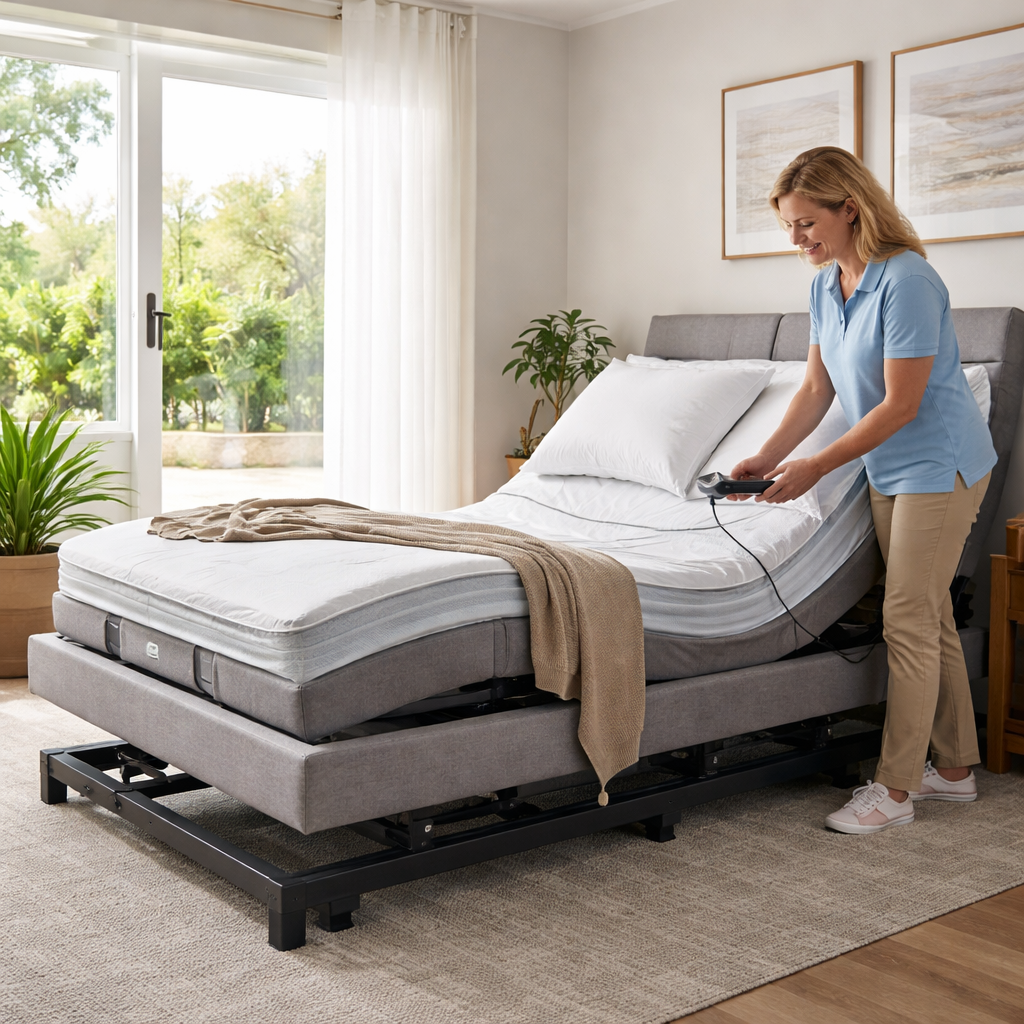
Every few weeks, run through your saved “Back‑Care” positions. Press each button, let the bed settle, and note any lag or unusual noise. If something feels off, a quick reset (unplug for 30 seconds, then plug back in) often clears minor glitches.
Does the memory still hold the exact angles you love? If not, re‑save them – the remote remembers what you tell it.
And here’s a tiny habit that makes a big difference: write the angle numbers in a notebook next to your bedside lamp. When you’re tweaking, you’ll know exactly where you started.
6. Check the Safety Features
Side rails should lock firmly when the bed is raised, and the emergency stop button must cut power instantly. Give each rail a gentle push and press the stop button while the bed is moving – you should feel an immediate halt.
These checks aren’t just for peace of mind; they protect caregivers and reduce the risk of sudden drops that could re‑ignite lower‑back strain.
7. Keep the Remote Charged and Accessible
If you use a Bluetooth add‑on, make sure it stays within the recommended range (about 5 metres) and that the battery is topped up each month. A dead remote can tempt you to crawl under the bed – not the safest move for anyone with back pain.
Store the remote on a nightstand shelf, not tucked behind a stack of books, so you can grab it without bending.
8. Schedule Professional Servicing
Even the most reliable German‑engineered motor benefits from a yearly check‑up. Sleep Sophie offers a service visit where a technician inspects the motor, tightens any loose bolts, and confirms the warranty is still intact.
Think of it like a GP visit for your bed; a quick once‑a‑year tune‑up keeps the lift performance consistent for the long haul.
When you combine these habits, the hi lo bed becomes a lifelong ally rather than a piece of furniture you replace every few years.
Remember, the goal isn’t just to lift the mattress – it’s to lift your comfort, your independence, and your mornings.
By treating your adjustable base with the same care you give your own body, you’ll enjoy painless, restorative sleep for years to come.
Ready to make maintenance a part of your nightly routine? Grab a pen, set a reminder for the monthly check, and let the bed do the heavy lifting while you enjoy the relief.
FAQ
What makes a hi lo bed for lower back pain australia different from a regular adjustable bed?
A hi lo bed combines head‑and‑foot lift with full‑height adjustment, so you can raise the entire platform to waist level. That extra vertical movement eases the bend‑over motion caregivers or seniors often struggle with, which in turn reduces strain on the lower back. In our experience the combination of independent lift angles and height control delivers a more ergonomic sleeping surface than a flat‑only model, especially for anyone dealing with chronic lumbar discomfort.
How do I know which head‑and‑foot angles are right for my lower back?
Start with a neutral flat position and note where the ache spikes. Raise the head 5–10° and spend a night observing any relief. If it feels tighter, dial back a degree. Then add a foot lift of the same range; the “break‑knee” angle often unloads the lumbar discs. Tweak in 2‑degree steps until you find the sweet spot where the pain eases without creating new pressure points. Write the angles down so you can program them as a preset.
Can I use a hi lo bed if I’m an NDIS participant?
Absolutely. Many NDIS plans cover therapeutic hi lo beds because they support independence and reduce caregiver strain. Look for models with memory‑button presets, easy‑reach remote controls, and a low‑entry height that can be lifted to waist level. Sleep Sophie, for example, offers NDIS‑approved beds that meet these criteria, making it simpler to get approval and have the bed installed quickly.
Is a hi lo bed safe for elderly users who have limited mobility?
Safety hinges on side‑rail locks, an emergency stop button, and a smooth, whisper‑quiet motor. Test the rails by giving them a gentle push; they should stay firmly in place when the bed is raised. Press the emergency stop while the bed is moving – it should cut power instantly. Regularly check that the frame sits level on the floor; a wobble can compromise stability and affect spinal alignment.
How often should I service my hi lo bed to keep it performing well?
We recommend a quarterly visual check of the motor tracks and a yearly professional service visit. During the check, wipe away dust and hair from the glide rails with a soft brush, and make sure the legs are still level. A qualified technician can tighten any loose bolts and verify the warranty is intact. Setting a calendar reminder for these tasks helps you avoid surprise breakdowns and extends the life of the bed.
Do I need a special mattress for a hi lo bed?
Yes, the mattress should be compatible with the lift capacity and flexible enough to bend with the frame. A medium‑firm, gel‑infused foam mattress is a solid choice – it provides enough support to keep the spine aligned while cushioning the hips and shoulders when the head or foot is raised. Check the manufacturer’s thickness limit; too thick a mattress can overload the motor, while a mattress that’s too thin loses the supportive bounce you need for lower‑back relief.
What everyday habits complement the benefits of a hi lo bed for lower back pain australia?
Pair the bed with gentle morning stretches, stay active throughout the day, and maintain a healthy weight to reduce spinal load. Keep a notebook by the bedside to track which angle combinations give you the most relief, and adjust the settings gradually as your comfort needs evolve. Consistency is key – the bed sets the foundation, but daily movement and posture awareness keep the lower back happy in the long run.
Conclusion
We’ve walked through how a hi lo bed for lower back pain australia can turn a stiff morning into a smoother start.
Do you remember the moment you first felt that gentle lift ease the ache? That feeling is exactly why the right adjustable base matters – it gives your spine the support you need without forcing you into a one‑size‑fits‑all position.
In practice, the magic happens when you pair the bed with a medium‑firm gel‑infused mattress, set the head just a few degrees up, and add a low‑profile wedge under the knees. The result is a subtle S‑curve that lets the lumbar discs breathe.
So, what’s the next step? Grab a notebook, jot down the angles that feel best, and program them as a “Back‑Care” preset. Test the settings over a week, adjusting by one or two degrees if anything feels off.
Remember, consistency beats occasional tweaks. Keep the frame level, clean the motor tracks, and schedule a yearly service – the same routine we recommend to our NDIS participants and seniors.
If you’re ready to make the lift a permanent part of your sleep routine, our team at Sleep Sophie can help you choose the model that fits your space, budget, and therapeutic needs.
Take the small actions today, and you’ll wake up tomorrow feeling like you’ve finally found the shortcut to a pain‑free back.