
Ever walked into a tiny apartment, tried to fit a big recliner against the wall, and ended up with a piece of furniture that barely moves? You’re not alone – that cramped feeling is something many of us with limited space know all too well.
What we call a wall hugger recliner is essentially a clever piece of engineering that lets the chair glide forward as it leans back, keeping the backrest just a few inches from the wall. Imagine you’re easing into a seat after a long day of standing, and the chair slides forward so you don’t have to shuffle across the room. For folks dealing with chronic pain or limited mobility, that smooth motion can be a game‑changer.
In our experience at Sleep Sophie, we’ve seen seniors in regional NSW who can’t bend over to pull a traditional recliner into place, but with a wall hugger they simply press a button and the chair does the work. Likewise, NDIS participants often live in shared or compact housing; a wall hugger frees up valuable floor space while still offering therapeutic elevation.
Here’s a quick checklist you can run through when you’re wondering if a wall hugger is right for you:
- Measure the clearance you have between the wall and the far edge of the chair when fully reclined – most wall huggers need just 6‑8 inches.
- Check the motor’s weight capacity; if you or a caregiver will be using it regularly, look for a model rated for at least 120 kg.
- Consider the upholstery – breathable fabrics or leather can help with skin health, especially for those who spend long periods seated.
Real‑world example: one of our clients, a retired carpenter, swapped his bulky lounge for a wall hugger and reported a 30% reduction in the effort needed to get up and down. Another story comes from a young mother with back pain; she now uses the recliner for short naps between caring for her toddlers, and the chair’s gentle forward slide means she never has to twist her spine to sit.
Curious to dive deeper? What is a Wall Hugger Recliner? Everything You Need to Know breaks down the mechanics, design options, and why they’re especially suited for small Australian homes.
So, if you’re juggling space constraints, mobility challenges, or just want a smoother way to relax, a wall hugger recliner might be the quiet hero your living room didn’t know it needed. Give it a try – your back (and your floor plan) will thank you.
TL;DR
A wall hugger recliner slides forward as it leans back, keeping the back just inches from the wall and freeing floor space in Australian homes.
It eases getting in and out for seniors, NDIS participants, or anyone with chronic pain, delivering comfort without sacrificing room for a cosy living area.
Understanding Wall Hugger Recliners: Design and Benefits
So, what’s really going on under the hood of a wall hugger recliner? At its core, it’s a clever blend of a low‑profile track and a motor‑driven glider that lets the seat slide forward as the back leans back. That way, the chair never drifts away from the wall – you stay snug, and the floor stays free.
Think about the last time you tried to recline a bulky armchair in a tight studio. You probably had to shuffle forward, risking a stumble or a strained back. With a wall hugger, the mechanism does the shuffle for you. The rail is usually recessed into the floor, so there’s no unsightly hardware, and the motor is whisper‑quiet – perfect for a night‑time unwind.
Design-wise, most Australian models come with a compact footprint, often just 6‑8 inches of clearance when fully reclined. That’s the sweet spot for city apartments where every centimetre counts. The upholstery options range from breathable mesh to plush leather, each chosen to keep skin comfortable during long sessions – a subtle but crucial detail for anyone with chronic pain.
Here’s a quick visual of how the sliding action works: the chair’s base sits on a sturdy steel track, the motor engages when you press the recline button, and the seat glides forward while the backrest tilts. Because the chair never lifts away from the wall, the centre of gravity stays low, reducing the effort needed to get up.
Now, why does that matter for our community? For NDIS participants or seniors, the reduced movement means less strain on joints and a safer transition from sitting to standing. It also frees up floor space for a walker, a pet’s bed, or just a little extra breathing room – something we hear often from our clients in regional NSW.
Another design perk is the integrated power source. Most wall hugger recliners plug into a standard 240V outlet, but they’re engineered to handle the occasional surge, so you won’t be tripping circuits during a movie marathon. And because the motor is built to support at least 120 kg, it accommodates a wide range of body types without wobbling.
From a therapeutic angle, the gentle forward slide aligns the spine in a way that mimics a slight lift‑assist, easing pressure on the lumbar region. That’s why many physiotherapists recommend them for post‑surgery rehab – the chair does the heavy lifting while you focus on relaxation.
In practice, you’ll notice three clear benefits: space efficiency, ease of movement, and enhanced comfort. The first is obvious – you can place a wall hugger in a hallway nook that would otherwise be off‑limits. The second is the motor‑assisted glide, which means you’re not pulling the chair manually. The third is the ergonomic support that comes from the controlled recline angle.
So, if you’re weighing up options, ask yourself: do I need a recliner that respects my floor plan, supports my mobility, and feels like it was designed with my health in mind? A wall hugger checks all those boxes without the bulk of a traditional recliner.
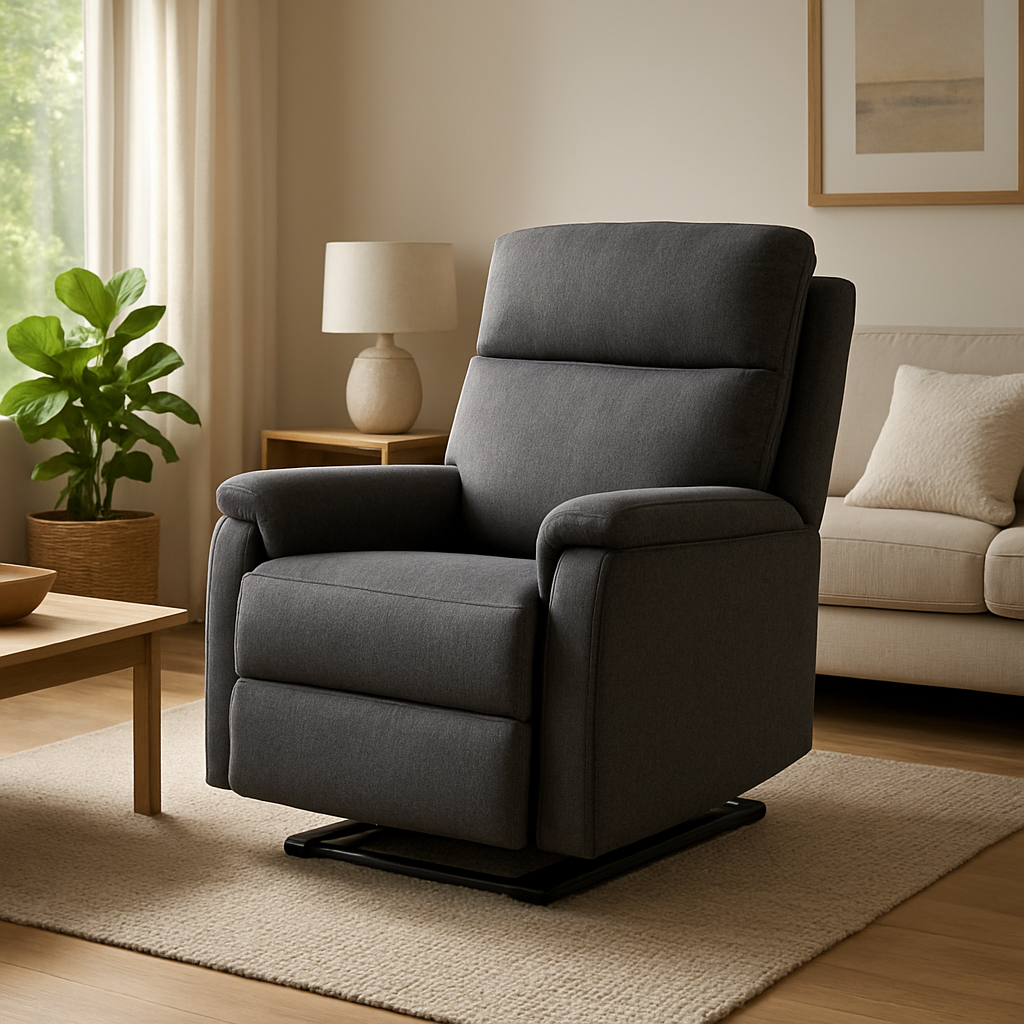
Key Features to Look For When Choosing a Wall Hugger Recliner
When you’re hunting for that perfect wall hugger recliner, it’s easy to get lost in a sea of specs. Let’s cut through the noise and focus on the features that really matter for you.
First off, does the chair actually hug the wall, or will you end up with a dreaded wall‑crash when you lean back?
Space‑Saving Mechanics
The magic lives in the dual‑action system: as the back tilts, the seat slides forward. That synchronized movement lets the chair recline fully while staying just a few inches from the wall.
Chita Living breaks down that mechanism in plain English, showing why you only need 4‑6 inches of clearance.
Motor vs Manual Options
If you have limited hand strength, an electric motor is a game‑changer – a single button sends the chair gliding forward smoothly. Manual lever models are sturdy and cheaper, but they demand a bit of effort each time you recline.
A quick read on recliner mechanisms explains the pros and cons of each type, helping you decide which action suits your lifestyle.
Weight Capacity & Safety
Look for a motor rated for at least 120 kg – that’s the sweet spot for most adults and caregivers. Models with built‑in limit switches stop the chair before it hits the wall, giving you peace of mind.
Upholstery & Clean‑ability
Families with kids or pets will thank you for choosing a breathable fabric or leather that wipes clean. Performance textiles resist spills and are easy on sensitive skin, which matters when you spend long periods seated.
Ergonomic Support Features
Look for built‑in lumbar cushions, adjustable headrests and a footrest that lifts to a comfortable angle. Those little adjustments can reduce pressure on the lower back – a big win for anyone managing chronic pain.
Tech Add‑ons
Some electric wall huggers now include USB‑C ports, massage nodes or heating pads. While not essential, those extras can turn a simple recline into a mini‑therapy session – perfect for an evening unwind.
Installation & Power Needs
Because electric models need a nearby outlet, plan the placement near a wall socket or use a discreet power strip. Most units come with a short cord that hides neatly behind the chair, so you won’t end up with a tangled mess.
Finally, give the motor a quick test before you commit. Run the recline cycle a few times; listen for smooth, quiet operation and check that the chair returns to upright without wobbling. A smooth test run now saves you headaches later.
Bottom line: match the mechanism, capacity and comfort extras to the daily reality of the person who’ll use the chair. When the specs line up with your space and needs, the wall hugger will feel less like furniture and more like a personal lift‑up.
Measuring Your Space and Installing a Wall Hugger Recliner
Ever stood in front of a wall, measured a few inches, and thought, “That’s it?” Yeah, we’ve been there. The truth is, getting the fit right can feel a bit like solving a puzzle, but once you nail the measurements, the rest falls into place.
Step 1: Map the clearance you have
Grab a tape measure and start at the floor where the back of the chair will sit. Measure straight up to the ceiling – that tells you the maximum height the recliner can reach without hitting the top of the room.
Next, measure the distance from the wall to the furthest point you’ll need when the chair is fully reclined. Most wall huggers need just 4‑6 inches of clear space, but to be safe, give yourself a couple of extra centimetres. If you’re in a studio flat in Sydney, those few centimetres can be the difference between a smooth glide and a wall‑crash.
Don’t forget the floor‑to‑wall distance when the footrest is extended. A quick trick is to sit in a regular chair, stretch your legs out, and note how far your toes are from the wall. That measurement becomes your baseline.
Step 2: Check power, weight, and wall conditions
Electric wall huggers need a nearby outlet. Look for a socket within a metre of where the chair will sit – you don’t want a long, messy cord trailing across the carpet. If the nearest outlet is higher up, consider a discreet power strip that can sit behind the chair.
Weight capacity matters, especially for NDIS participants or seniors who may have a caregiver assisting. Aim for a model rated at least 120 kg; that gives a comfortable safety margin.
Take a look at the wall itself. Is it plasterboard, brick, or timber? Heavy units benefit from anchoring into studs or using wall‑mount brackets. If you’re renting, talk to your landlord before drilling.
Step 3: Position the recliner and test the motion
Slide the chair into place, leaving the measured clearance gap behind it. Plug it in, then hit the recline button a few times. Watch the seat glide forward as the back tilts – the motion should be smooth, not jerky.
If the chair bumps the wall, you’ve either mis‑measured or the wall isn’t perfectly straight. Adjust by moving the chair a centimetre or two, or use a thin shim behind the base if the floor isn’t level.
Once the motion feels right, tighten any mounting bolts, tuck the power cord behind the chair, and give the footrest a couple of test extensions. You should hear a faint hum, not a grind.
Pro tip: Use a wall‑hugger guide
Our own How Wall Huggers Save Space guide walks you through the exact measurements for typical Australian living rooms, complete with diagrams you can print out.
Finally, do a quick safety check: make sure the chair sits flat, the cord isn’t pinched, and the weight limit is clearly labeled. A smooth test run now saves you a call to the electrician later.
With these steps, you’ll turn a cramped corner into a comfy, accessible nook – all without sacrificing precious floor space.
Comparison of Top Wall Hugger Recliner Models (2026)
Now that you’ve got the basics down, it’s time to peek at what’s actually on the market. You might be wondering, “Which model gives me the most space without compromising comfort?” – let’s walk through three of the most talked‑about options and see how they stack up for Aussie homes.
What to look at first
We usually start with three criteria: how little clearance the chair needs, the weight capacity (especially important for caregivers or NDIS participants), and any extra comforts that make daily life easier. If a model checks all three boxes, you’re probably looking at a winner.
Model roundup
Sleep Sophie Wall‑Hugger Lift Recliner – Our own flagship. It needs only 5 cm of clearance, supports up to 130 kg, and comes with an optional USB‑C charging port plus a heated lumbar pad. The motor is whisper‑quiet, which is a big plus for night‑time use.
Homemakers Wall Recliner – A solid choice from a well‑known retailer. According to their catalogue, the clearance requirement is 4–6 inches, and the weight limit sits at 120 kg. They also offer a remote‑control lever and a leather‑grade upholstery option for easy cleaning.Homemakers wall recliner guide
CHITA Modern Wall‑Hugger – This model leans into a mid‑century aesthetic while still keeping the clearance down to 5 inches. It’s rated for 125 kg and includes a built‑in limit switch that stops the recline before the chair meets the wall. The fabric options are performance‑woven, which helps with spills and pet hair.CHITA wall‑hugger collection
Quick‑look comparison table
| Model | Clearance Needed | Weight Capacity | Key Extras |
|---|---|---|---|
| Sleep Sophie Wall‑Hugger Lift Recliner | 5 cm | 130 kg | USB‑C port, heated lumbar, silent motor |
| Homemakers Wall Recliner | 4‑6 in | 120 kg | Remote control, leather‑grade upholstery |
| CHITA Modern Wall‑Hugger | 5 in | 125 kg | Limit switch, performance fabric |
So, which one feels right for you? If you value tech‑savvy touches and a whisper‑quiet motor, the Sleep Sophie pick probably tops the list. Want a budget‑friendly option with a classic look? Homemakers delivers solid performance without the bells and whistles. And if you’re after a design‑forward piece that still respects the tight space of a studio flat, CHITA’s modern wall‑hugger is worth a closer look.
Remember, the best recliner isn’t just about specs – it’s about how it fits into your daily routine. Picture yourself pressing a button after a long day of caring for a loved one, and the chair glides forward without you having to shuffle across the carpet. That smooth moment is the real measure of success.
Take a minute to compare the three tables, maybe jot down which extra feature you can’t live without, and then head to a showroom or online store to test the motion yourself. A little trial run can save you weeks of frustration later.
Maintenance, Comfort Tips, and Common FAQs
Everyday upkeep that actually matters
When you finally pick the perfect wall‑hugger, the next step is making sure it stays that way for years to come. A quick wipe‑down after each use, especially if you’ve got kids or pets, keeps the fabric from collecting grime that can irritate sensitive skin. Use a soft microfiber cloth and a gentle upholstery cleaner – nothing harsh enough to strip the finish.
For leather‑grade or performance fabrics, a monthly conditioning spray adds a protective layer that repels spills. In our experience, seniors who apply a light silicone‑based conditioner once a month notice the seat stays supple longer and the motor runs smoother because the moving parts stay dust‑free.
Guarding your walls (and your sanity)
One of the biggest worries with any recliner is the dreaded wall scratch. Because a wall‑hugger only needs 4‑6 inches of clearance, the risk is lower, but it’s not zero. A simple acrylic wall guard or a strip of self‑adhesive felt on the back edge can stop scratches dead in their tracks. The stayhomebody guide walks you through a few budget‑friendly options that won’t damage paint.
Another trick? Slip a decorative fabric panel behind the chair. It adds a splash of colour, hides any inevitable scuffs, and doubles as a soft barrier. If you rent, look for removable adhesive solutions that won’t leave residue when you move out.
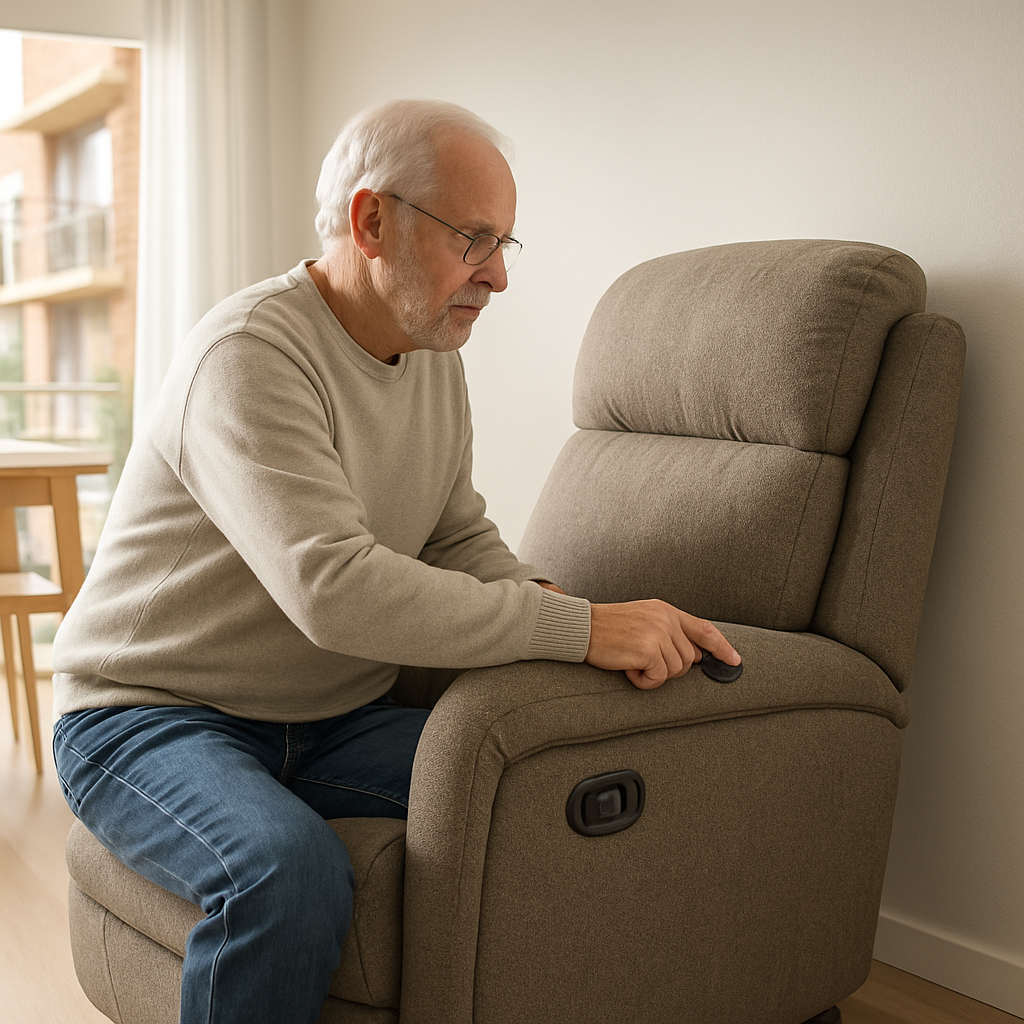
Comfort tweaks you can do yourself
Even the most advanced models have simple adjustments that boost comfort. Start with the lumbar pad – many Sleep Sophie units let you raise or lower it with a single button. If the headrest feels too high, tilt it down a notch; that tiny change can relieve neck tension after a long day of caregiving.
Don’t forget the footrest angle. A 15‑degree lift is ideal for people with limited ankle mobility, while a flatter position works better for short‑legged users. Experiment for a few nights and note which setting lets you fall asleep without shifting.
Power and battery basics
Electric wall‑huggers run on a standard 110‑240 V outlet, so placement near a socket is essential. Keep the cord coiled loosely behind the base – a tight loop can overheat the wire. If you use a surge protector, choose one with a low‑noise rating so you don’t hear a buzz when the motor activates.
Some models include a backup battery that kicks in during a power cut. Test that feature quarterly by unplugging the chair for a minute; the recline should still operate, giving you peace of mind during an outage.
Quick troubleshooting cheat‑sheet
Motor humming but the chair won’t move? Check the safety limit switch – it can get stuck if the chair hits a wall or carpet edge. A gentle tap usually frees it. If the remote is dead, replace the AA batteries; most units use standard alkaline cells.
Stiff motion? A few drops of silicone spray on the track (away from upholstery) can restore glide. Just wipe away excess with a clean rag to avoid slippage.
FAQ
How often should I clean the upholstery on my wall‑hugger?
Aim for a light surface clean weekly and a deeper shampoo every 2–3 months, depending on usage. Spot‑clean spills immediately with a damp cloth; let the material air‑dry before using the chair again.
Can I use a wall guard on a rented property?
Yes. Choose a guard that attaches with removable adhesive strips or suction cups. They leave no marks, and you can take them with you when you move. Just test on a hidden area first to ensure the paint isn’t affected.
What’s the ideal clearance for a wall‑hugger in a studio apartment?
Four to six inches is the sweet spot. Measure from the wall to the furthest point of the backrest when fully reclined; if you’re under 4 inches, the chair may hit the wall, and over 6 inches means you’re not maximising space.
Is the motor quiet enough for night‑time use?
Modern electric wall‑huggers, especially Sleep Sophie’s lift recliner, are designed to operate below 45 dB – roughly the sound of a quiet conversation. Most users report they can fall asleep without the motor disturbing them.
How do I adjust the lumbar support without professional help?
Most models feature an integrated lumbar button on the remote or side panel. Press “+” to raise the pad and “–” to lower it. Test each setting for a minute; the position that keeps your lower back aligned with the chair’s natural curve is the one to lock in.
What should I do if the recliner stops mid‑stroke?
First, unplug the unit for 30 seconds – this resets the motor controller. Then plug it back in and try again. If the problem persists, check for any objects jammed in the track or contact the manufacturer’s support line.
Where to Buy and Additional Resources
So you’ve decided that a wall hugger could be the answer to cramped living and limited mobility – great move. The next question is, where do you actually buy one?
Showrooms and online stores
Sleep Sophie’s flagship showroom in Sydney lets you try the lift recliner in person; you can feel the glide, test the motor noise, and ask the staff about clearance tips.
If a trip isn’t convenient, their website ships nationwide with free delivery and a professional setup crew that anchors the unit safely to the wall.
Other Australian retailers that carry wall‑hugger models include major furniture chains and specialised disability‑access suppliers.
Look for listings that clearly state the clearance requirement (usually 4–6 inches) and weight capacity – that information saves you a lot of guesswork.
Additional resources
Want a deeper dive into “what is a wall hugger recliner” and how the mechanism works? Sleep Sophie’s blog posts break down the dual‑action track, motor quietness, and maintenance tricks in plain language.
For step‑by‑step measurement guides, the company’s downloadable PDF walks you through tape‑measure hacks and wiring safety checks.
And if you’re an NDIS participant, there’s a dedicated guide that maps eligibility and funding pathways for therapeutic recliners.
Got lingering doubts? Give the friendly sales team a call – they love chatting about real‑world setups and can point you toward the right model for your space and health needs.
Conclusion
So, after walking through the mechanics, the space‑saving tricks, and the day‑to‑day upkeep, you probably have a clearer picture of what is a wall hugger recliner and why it matters.
In a nutshell, it’s a chair that slides forward as it leans back, keeping the back just a few inches from the wall. That simple motion translates into more floor space, less strain on your hips, and a quieter night‑time experience – especially handy for seniors, NDIS participants, or anyone coping with chronic pain.
What we’ve seen work best is measuring your clearance carefully, picking a model that supports at least 120 kg, and giving the motor a quick test before you commit. A thin wall guard or a removable felt strip can keep paint pristine, and a monthly upholstery wipe‑down keeps the chair feeling fresh.
Now that you’ve got the checklist, what’s the next step? If you’re ready to feel that gentle glide in your own living room, swing by Sleep Sophie’s showroom or browse their online catalogue – the team loves helping you match the right lift recliner to your space.
Remember, the real win isn’t just fitting a chair into a tight room; it’s reclaiming comfort without sacrificing room for the things you love. Give it a try, and let your back (and your floor plan) thank you.
FAQ
What is a wall hugger recliner and how does it work?
A wall hugger recliner is a power‑adjustable chair that slides its seat forward as the backrest tilts backward, keeping the back just a few inches from the wall. The dual‑action track means you don’t have to shuffle the whole chair when you want to recline – a single button sends the seat gliding forward while the back leans back. The result is a full‑length recline in a space‑saving footprint, perfect for tight Australian living rooms.
Do I need a lot of clearance to install a wall hugger?
Most models only require 4–6 inches (about 10–15 cm) of clearance behind the chair when fully reclined. Measure from the wall to the farthest point of the backrest; if you’re under 4 inches you’ll risk hitting the wall, and over 6 inches means you’re not maximising the space savings. A quick tape‑measure check and a test of the motion will confirm the fit before you buy.
Can a wall hugger support a caregiver or a heavier user?
Yes. Look for a motor‑rated weight capacity of at least 120 kg (265 lb). In our experience at Sleep Sophie, the flagship lift recliner handles up to 130 kg, giving a comfortable safety margin for most adults and caregivers. If you anticipate two‑person use, choose a model with a higher rating and a reinforced frame to avoid strain on the motor.
Is the motor quiet enough for night‑time use?
Modern electric wall huggers are engineered to run below 45 dB, which is about the noise level of a quiet conversation. That means the motor won’t wake a partner or disturb a sleeping child. Users often describe the sound as a soft hum that blends into the background, making it safe to recline right before you drift off.
How do I keep the wall and chair from getting scratched?
Even with minimal clearance, the chair can brush the wall over time. A thin acrylic guard or a self‑adhesive felt strip applied to the back edge creates a soft barrier that protects paint without adding bulk. Removable options are ideal for renters because they leave no residue when you move out. A quick wipe‑down of the guard keeps it dust‑free.
What maintenance does a wall hugger recliner need?
Routine care is simple: wipe the upholstery with a damp microfiber cloth weekly, and give a deeper clean every two to three months using a gentle upholstery shampoo. Condition leather‑grade finishes monthly with a silicone‑based spray to keep the material supple. Keep the track clear of dust; a quick blast of compressed air or a soft brush prevents the seat from becoming sticky.
Is a wall hugger recliner suitable for NDIS participants?
Absolutely. The space‑saving design frees up room for mobility aids, while the electric lift function reduces the effort required to sit and stand. Many NDIS participants appreciate the ability to position the chair near a bedside or therapy area without rearranging furniture. Pairing the recliner with a wall guard also protects shared living spaces, which is often a requirement in funded accommodation.