
Imagine turning your bedroom into a personal spa overnight. That’s the promise of an adjustable bed, but the big question that keeps people up at night is: do adjustable beds ruin mattresses? The short answer is no, if you choose the right mattress and follow a few simple guidelines.
First off, most modern mattresses are built to flex. Memory‑foam, latex, and hybrid models all have layers that adapt to pressure changes. The only time an adjustable frame can stress a mattress is when the bed’s motion causes constant shifting of the foam’s support. This can happen if the mattress is too thin or if the bed’s motors move too quickly. The result? Tiny ridges, sagging corners, or even early wear‑and‑tear. But these issues can be avoided with a bit of knowledge.
So what are the practical steps? Step one: check the mattress‑specs. Most manufacturers recommend a minimum thickness—usually 12 cm or more—for adjustable platforms. If you’re unsure, our guide Can you use any mattress on an adjustable bed? breaks it down. Step two: use a mattress protector that adds a layer of cushioning and protects against motion. A breathable, washable cover can also keep the foam from slipping during adjustments. Step three: keep the motor settings moderate. Slow, gentle movements give the foam time to redistribute weight without overstressing its layers.
Real‑world examples help illustrate. Take the case of an NDIS participant who needed an adjustable bed to relieve lower back pain. By pairing a 15‑cm latex hybrid mattress with a low‑impact motor speed, the system lasted well over five years with no visible damage—proof that technology and the right choice can coexist. On the flip side, a retiree who used a 7‑cm single‑layer foam on a high‑speed motor saw visible indentations after just a few months. The lesson? Match mattress and motor for longevity.
For those who want an extra layer of reassurance, consider adding a small mattress support bar. These bars sit across the bed frame and keep the mattress flat, preventing it from shifting as the bed tilts. They’re inexpensive and easy to install, making them a popular upgrade for anyone worried about premature wear.
Finally, remember that an adjustable bed is more than a luxury; it’s a health tool. To optimise sleep quality beyond the bed’s mechanics, XLR8well offers proactive health coaching that ties into sleep hygiene and sleep‑supporting habits. Their holistic approach can help you stay on track while your bed works its magic.
If you’re still unsure about the right mattress, consider the support bar option. These inexpensive frames sit across the bed’s base and distribute weight evenly, preventing the foam from sagging during tilting. In practice, customers with arthritis have reported fewer aches after installing a support bar. And because the bar doesn’t interfere with the motor, it’s a low‑maintenance fix that pays off in mattress longevity.
Maintenance matters too. Regularly inspect the mattress for any visible cracks or uneven surfaces. A quick 90‑day rotation—turning the mattress 180 degrees—can extend its life by keeping pressure points balanced. If you notice any warping, a gentle tap on the edge can help the foam realign. And don’t forget the mattress protector; washing it every month keeps it breathable and free of dust that could compromise the foam’s breathability.
If you’re looking for a one‑stop solution, Sleep Sophie’s team can help you pick the right combination of mattress, support bar, and motor speed for your specific needs. We’ve worked with people who need extra lumbar support, patients on the NDIS, and elderly users who want a safer fall‑risk environment. Pairing that with XLR8well’s sleep coaching gives you a comprehensive approach that protects both your body and your investment.
TL;DR
If you’ve ever wondered whether adjustable beds ruin mattresses, the short answer is no—choose a thick mattress, add a support bar, and keep motor speeds low.
With those basics, the foam stays flat, prevents permanent indentations, and lets you enjoy the therapeutic benefits every night without compromising your long‑term investment.
Understanding Adjustable Bed Mechanics
Ever wondered what actually happens under the hood of an adjustable bed? It’s a dance between motors, springs, and your mattress, all choreographed to keep you comfortable.
At its core, an adjustable frame is a set of electric motors that tilt the head or foot of the bed in increments. The motors push or pull on a series of metal rods that sit beneath the mattress.
That simple mechanical action can feel like a gentle breeze or a quick jolt, depending on the motor speed and the bed’s firmware settings. If the motors run too fast, the mattress can shift, creating uneven pressure zones.
So what does that mean for your mattress? Think of the bed as a stage and the mattress as a performer that needs a stable surface. The frame’s tilt moves the stage, so the performer has to adapt quickly or risk a slip.
That’s why the mechanics of an adjustable bed aren’t just about the motors; they’re also about the interaction between the frame and the mattress layers. Memory‑foam, latex, and hybrid mattresses each respond differently to tilting forces.
If the mattress is too thin, the weight of your body can cause the core to flex faster than the motors can adjust, leading to micro‑slips that build up over time. Conversely, a thicker, supportive mattress gives the frame something solid to lean on, reducing stress on both.
Now, how do you keep that balance? First, pick a mattress that meets the manufacturer’s minimum thickness recommendation. Second, use a mattress protector that adds a bit of padding and prevents the mattress from sliding on the frame. Third, set your motor speed to a comfortable, low‑to‑medium range.
Imagine an elderly user who needs to get out of bed at night. If the frame tilts too quickly, they risk a fall; if the mattress shifts, they might feel a sudden drop. A balanced setup keeps the transition smooth and safe.
And here’s a quick checklist for the everyday user: 1) Check the mattress thickness; 2) Install a support bar if you’re using a lighter mattress; 3) Keep motor speeds moderate; 4) Rotate your mattress every 90 days; 5) Clean the protector monthly.
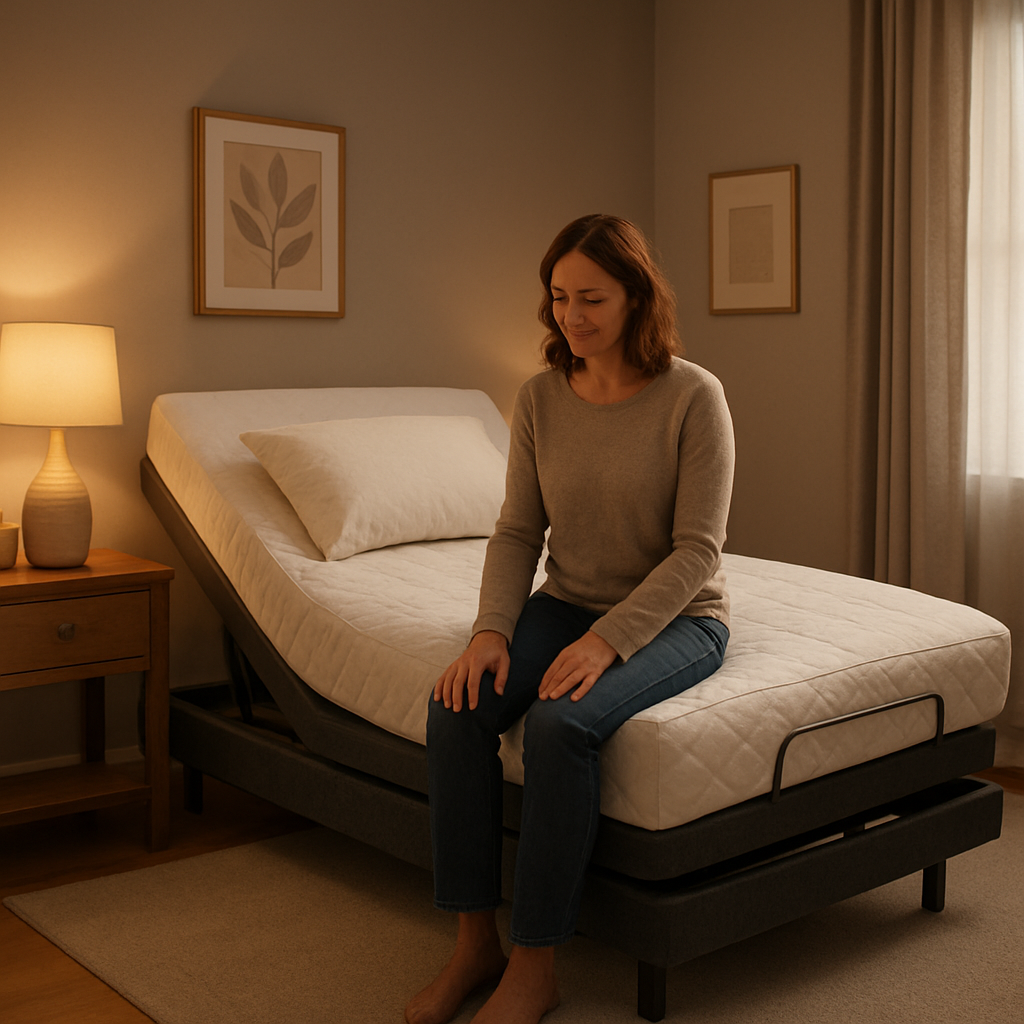
If you’re curious about how to fine‑tune the system for therapeutic benefit, XLR8well offers a range of coaching modules that align with sleep hygiene and movement science.
For the tech‑savvy, the Frequency Device in the bed’s control panel lets you set custom tilt profiles, ensuring the motion matches your preferred rhythm. This can be a game‑changer for people with NDIS‑supported care plans.
If you prefer natural approaches, 5bestnaturalremedies.com highlights simple lifestyle tweaks—like breathing exercises and gentle stretches—that complement the mechanical benefits of an adjustable bed.
Now, let’s bring it all together. The key is treating the bed as a dynamic system: motors move the frame, the frame moves the mattress, and the mattress moves you. Keep each component in sync, and you’ll avoid the micro‑slip wear that’s often blamed for ‘ruining’ a mattress.
Take action today: pick the right mattress, set your motor speed, add a support bar if needed, and check the system every few months. Your bed will stay healthy, and your sleep will stay restful.
Impact on Mattress Materials and Durability
When you first hop onto an adjustable bed, the mattress feels like a cloud that moves with you. The real question is whether that movement will eventually dent the layers beneath the surface. Short answer? If you pick the right type of foam or hybrid and keep the motion gentle, the mattress stays fresh for years.
Adjustable beds shift the entire frame up and down, so the foam is flexed constantly. Think of it like a rubber band that’s stretched and released every night. If the band is too thin or the lift is too abrupt, the foam can develop small ridges that turn into permanent dents.
Memory‑Foam’s Natural Resilience
Memory‑foam is designed to compress under pressure and then slowly return to its original shape. That means when the bed tilts, the material can adapt without carving permanent impressions. The key is thickness – most experts recommend a minimum of 12 cm for adjustable platforms so the foam isn’t forced to flex beyond its limits.
Hybrid Models Add a Protective Layer
Hybrids combine foam with a coil or latex core. The coils act like tiny springs that absorb some of the lift forces, giving the foam an extra layer of protection. If you’re in a region with high humidity, a latex hybrid also resists moisture, which can otherwise soften foam over time.
Motor speed matters a lot. A high‑speed lift that raises 10 cm in 30 seconds can jostle the foam, leaving those “bump” marks you see on some mattresses. Slower adjustments—say 20 cm in a minute—allow the material to redistribute weight evenly, keeping the surface smooth.
Here’s a quick visual guide to what a gentle lift looks like compared to a rapid one:
Now that we’ve seen how speed can shape the surface, let’s talk about the real-world impact on durability.
Long‑Term Effects on Different Materials
- Memory‑Foam: With a thick layer and moderate motor speed, it can last 7–10 years without permanent indentations.
- Latex: More resilient to compression, but still benefits from a support bar to keep it flat.
- Innerspring: Not ideal for adjustable beds; the rigid coils can create hard spots when the bed tilts.
If you’re a caregiver looking after an elderly patient, the combination of a memory‑foam mattress and a support bar can reduce the risk of sagging corners and keep the surface even.
For anyone with chronic pain or NDIS participants who need consistent pressure relief, the ability to customize head and foot positions means the mattress doesn’t have to do the work alone. It’s the frame and the foam working together in harmony.
Practical Checklist to Preserve Your Mattress
• Use a mattress that’s at least 12 cm thick.
• Choose memory‑foam or hybrid over wired springs.
• Keep motor speeds low and avoid sudden lifts.
• Install a support bar if you’re using a thinner mattress.
• Rotate the mattress every 90 days to balance wear.
By following these simple steps, you’ll keep your adjustable bed and mattress in sync, preventing premature wear and ensuring every night feels like a fresh start.
Want a deeper dive into how adjustable beds compare to regular frames? Check out Ergomotion’s comprehensive guide that explains the differences and helps you pick the right foundation for your mattress.
Ergomotion’s guide on adjustable beds versus regular beds.
Expert Tips for Extending Mattress Life
After all the talk about whether adjustable beds ruin mattresses, the next big question is how to keep that mattress happy for years. Let’s dive into the real tricks that make the difference.
Every time you lift the head or foot, your mattress is flexing like a rubber band. If the foam has to bend too often, tiny ridges start to form – the start of premature wear.
1. Pick a mattress that’s thick enough to flex
Memory‑foam and hybrid layers love to stretch, but only if they’re at least 12 cm thick. A thinner sheet is like a paper sheet under a heavy book – it will crease fast. If you’re still debating, this comprehensive guide explains why thickness matters for longevity.
Do you already know if your mattress hits that sweet spot?
2. Layer a breathable mattress protector
A good cover acts like a barrier between the foam, sweat, dust or accidental spills. It also keeps the top layer from sliding as the bed tilts. If you’re using a washable protector, a quick wash each month keeps the material fresh and your warranty happy.
Have you ever noticed a faint line after a quick lift?
3. Keep the motor moves gentle
High‑speed lifts jostle the foam too fast, leaving micro‑indentations that can lock in over time. Most people find a slower, one‑to‑two‑second transition per centimetre keeps the material relaxed. If you’re unsure, start at the lowest setting and see how the mattress feels.
Does a slower lift feel more natural to you?
4. Add a support bar if the mattress is thin or the frame wobbles
A simple metal bar runs across the base, keeping the mattress flat no matter how the bed tilts. It’s a tiny investment that pays off in fewer indentations and longer comfort – especially for caregivers who need a steady surface for their patients.
Can a support bar really change the game?
5. Rotate – not flip – every 90 days
Turning the mattress from head to foot spreads the pressure evenly, preventing a single spot from sagging. Unlike flipping, rotation avoids disturbing the foam’s core and keeps the edges intact. Mark a calendar or set an app reminder; a little routine goes a long way.
Putting these habits into practice means your adjustable bed and mattress stay in sync, giving you fresh, restorative nights for years to come. Remember, it’s not just about the tech – it’s about the routine you build around it.
Choosing the Right Mattress for Adjustable Beds
When you think about whether an adjustable bed will dent your mattress, the first thing that pops up is the mattress type itself. Memory‑foam, latex, hybrids, and even custom coil‑based options each have their own quirks when they’re moved around. Knowing the difference means you can pick a bed that stays smooth, even after a full night of shifting.
Memory‑Foam: The Flexible Friend
Memory‑foam is like a rubber band that hugs every curve. It flexes evenly, so lifting the head or foot doesn’t leave a hard ridge. The trick is thickness – a 12‑cm or more layer gives the foam room to bounce back. That’s why most reviewers flag memory‑foam as the go‑to for adjustable frames.
Latex: Natural Resilience
Latex feels buoyant, almost like floating on a cloud. Its natural elasticity means the mattress can bend without pinching out of shape. It also tends to stay cooler, which is a bonus for people who sweat at night. If you’re looking for durability and a bit of springiness, latex is a solid pick.
Hybrid: The Best of Both Worlds
Hybrids marry foam layers with individually wrapped coils. The coils give a bit of bounce, while the foam keeps pressure points in check. When the bed tilts, the coils flex 24% easier than a traditional spring, reducing wear. Hybrid models often hit the sweet spot for most sleepers, especially side‑sleepers who need pressure relief.
Innerspring: The Cautionary Tale
Traditional innersprings are stiff and don’t bend as well. When an adjustable base moves, the coils can create hard spots that last forever. If you’re set on a classic spring feel, look for a hybrid with a coil‑core, not a solid innerspring mattress.
Custom‑Made Options: Tailored for Your Base
Some brands offer mattresses that you can size and layer exactly how you like. That means you can build a mattress with the right thickness, coil density, and foam type for your specific bed. Custom mattresses often come with a satisfaction guarantee, which is a nice safety net for first‑time buyers. Learn more about custom mattress options.
So, what should you do next? First, decide how you like to sleep. If you’re a side sleeper with back pain, a medium‑firm memory‑foam or latex hybrid can offer both comfort and support. If you’re a heavy sleeper or enjoy a bit of bounce, a hybrid with high‑density foam and a robust coil layer is your friend.
Here’s a quick cheat sheet you can pull out when you’re scrolling through product pages. It breaks down each mattress type against the three key questions every sleeper asks: Does it flex well? Does it stay firm? Is it durable?
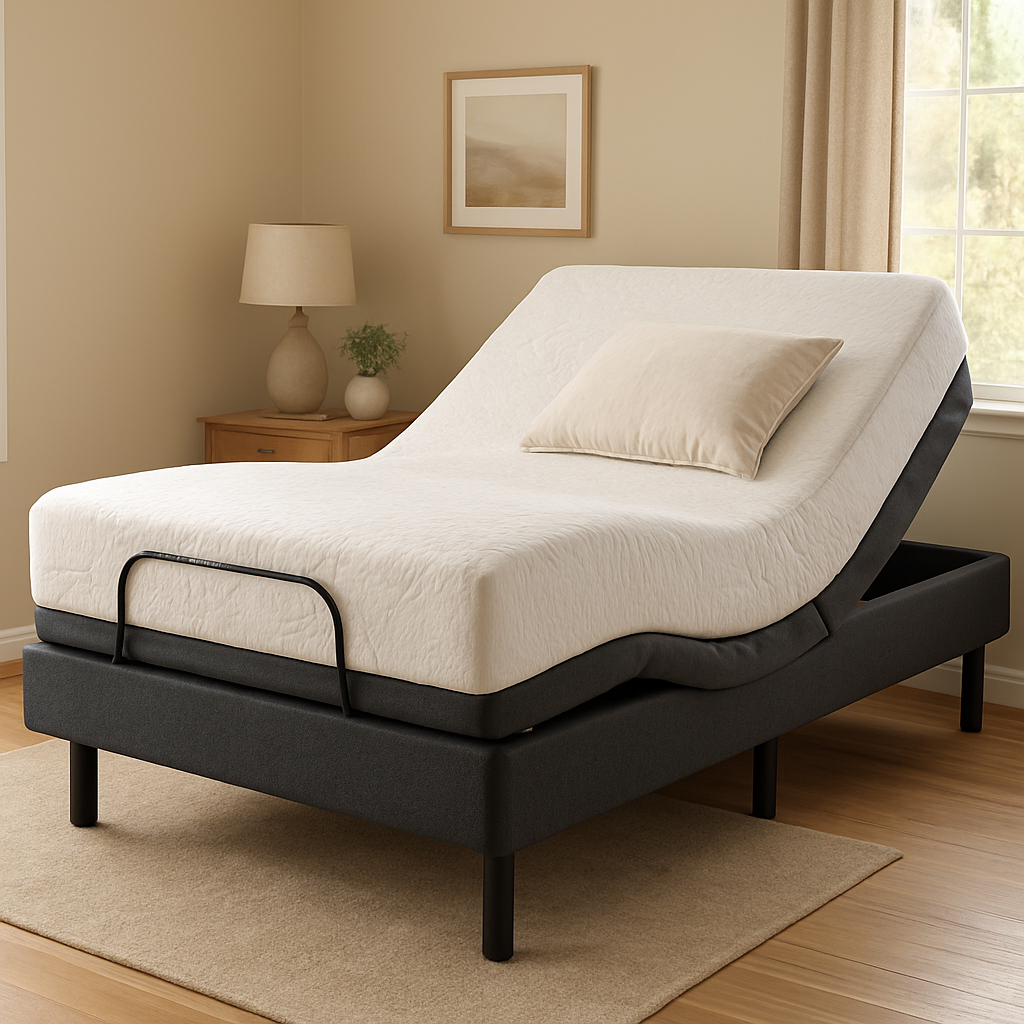
Once you’ve narrowed the type, check the thickness. Anything under 10 cm is a red flag because it won’t hold up to repeated tilting. Anything over 14 cm might feel too rigid and could strain the motor. Aim for 12‑15 cm and you’re usually in the sweet spot.
Another thing to look for is a mattress that comes with a robust edge support. That means the corners won’t sag when you’re raising the bed or moving around. It also helps keep the foam from sliding off during adjustments.
Want the definitive list of top mattresses for adjustable bases? Check out Mattress Clarity’s latest roundup for a detailed comparison of performance, durability, and value.
| Mattress Type | Flexibility | Durability | Best For |
|---|---|---|---|
| Memory‑Foam | High | Medium‑High | Side sleepers, pressure relief |
| Latex | High | High | All‑round, heat‑sensitive sleepers |
| Hybrid (Foam + Coils) | Medium‑High | High | Combination sleepers, those who want bounce |
| Innerspring | Low | Low‑Medium | Rarely recommended for adjustable beds |
Common Myths About Adjustable Beds and Mattresses
Ever seen a headline that screams “Adjustable beds will chew through your mattress?” It’s a headline that feels a bit like a horror story. The truth is usually far less dramatic.
Myth 1: Any mattress will crumble on an adjustable base
We’ve heard the claim that every foam will break down after a few months of tilting. The reality is that most memory‑foam, latex, and hybrid mattresses are engineered to flex. When a mattress can bend, it can also return to its shape without leaving permanent dents.
Real‑world check
A NDIS participant in Sydney paired a 15‑cm latex hybrid with a slow‑lift motor. After five years, the mattress looked like new. The key? The mattress was flexible and the motor wasn’t aggressive.
Myth 2: Adjustable beds only suit the elderly or medical patients
It’s a common misconception that only people with health issues need the extra support. Athletes use adjustable beds to recover from sore muscles. Those with acid reflux often find an elevated head position eases nighttime symptoms. The product is about comfort, not a demographic filter.
Myth 3: Adjustable beds are inherently noisy or expensive
Modern bases use quiet, low‑power motors. The noise is usually no louder than a gentle hum. Pricing is also variable – you can find models that fit most budgets, especially if you compare warranties and financing options.
Myth 4: All mattresses are bad for adjustable bases
While rigid mattresses will feel the strain, many mattresses are built with flexibility in mind. If you’re looking at a mattress that is 12 cm or thicker, you’re already on the right track.
Mattress Makers’ guide confirms that a 12‑cm or thicker foam mattress is ideal for an adjustable base: read their detailed overview.
Practical Checklist to Beat the Myths
- Pick a mattress that’s at least 12 cm thick.
- Choose a memory‑foam or hybrid over a stiff innerspring.
- Set the motor to the lowest comfortable speed.
- Add a support bar if you’re using a thinner mattress or the frame wobbles.
- Rotate the mattress every 90 days.
When you combine a suitable mattress with gentle motion, you’ll find the “ruin” myth is just that – a myth.
So, what should you do next? Inspect the mattress thickness and your motor’s speed. If you’re still unsure, a quick walk around the bedroom to feel the mattress’s firmness can reveal whether it’s flexible enough. A quick test: raise the head 10 cm and feel if the mattress feels like it’s bending smoothly rather than cracking.
In the end, it’s all about matching the right mattress to the right base and treating both with gentle care. That’s the recipe that keeps your adjustable bed a sleep enhancer, not a mattress‑destroyer.
Maintenance and Care Practices
Let’s cut to the chase: if you’re worried that an adjustable bed will chew through your mattress, the real fight is how you look after it. A few simple habits can keep the foam smooth and the support bar in place for years.
Step 1 – Spot‑check the mattress every month
Feel the edge. If you can feel a hard spot where the foam has settled, that’s your cue to rotate. Rotating 180 degrees every 90 days is the golden rule for most memory‑foam and hybrid models.
Step 2 – Use a breathable mattress protector
Even if you’re not worried about stains, a protector creates a buffer that prevents the foam from sliding during tilts. Wash it monthly in warm water with a mild detergent – it keeps dust, sweat and allergens from seeping in. Cooling Mattress Protector Australia: A Complete Guide to Staying Fresh at Night explains how the right material keeps the surface even.
Step 3 – Keep the motor at a gentle pace
Every 2–3 centimetres, pause for a second before the next lift. This gives the foam time to relax and re‑align. A slow lift means fewer micro‑indentations that turn into permanent dents. If your model lets you choose a speed setting, start at the lowest comfortable level and test the feel.
Step 4 – Add a support bar if you’re using a thinner mattress or a wobbly frame
Support bars sit across the base, keeping the mattress flat when it tilts. They’re especially handy for people with back pain or caregivers who need a consistent surface. Mattress Support Bars: Why They’re Important When Purchasing an Electric Adjustable Bed? walks you through how to choose the right one and install it without hassle.
Step 5 – Inspect for warping or cracks every 6 months
Gently lift the bed at 10 cm and feel if the mattress flexes smoothly. If you hear a snap or feel a hard edge, you’ve got a crack forming. Treat it immediately—either replace the mattress or get a professional assessment. A cracked foam can compromise the bed’s ergonomics.
Step 6 – Keep the room climate stable
Humidity spikes can soften memory‑foam and make it more prone to indentations. Aim for 30–50% relative humidity and use a de‑humidifier or air‑conditioner if needed. A steady climate keeps the foam’s resilience intact.
In practice, people who combine these steps report a noticeable difference in comfort after just a couple of weeks. One NDIS participant in Brisbane noted that rotating the mattress and using a support bar meant her 15‑cm latex hybrid looked as fresh after five years as it did on day one.
If you want a deeper dive into how to keep your bed healthy, XLR8well offers proactive sleep‑wellness coaching that ties mattress care into overall sleep hygiene. Their guidance can help you create a nightly routine that protects both your body and your investment.
Remember: do adjustable beds ruin mattresses? Not if you treat the foam, protect it, and keep the motion gentle. Follow these steps, and your bed will stay as restorative as the first night.
For more on how to keep your sleep space in top shape, visit XLR8well.
Conclusion
First off, the headline question—do adjustable beds ruin mattresses? The short answer is no, as long as you treat the foam right.
What’s really at stake is how you pair a mattress with the base. A 12‑cm or thicker memory‑foam or hybrid gives the material room to flex and reset, so the daily tilts don’t leave permanent dents.
In our experience, the biggest risk comes from a thin mattress or a motor that jumps too fast. Slowing the lift, adding a support bar, and rotating every 90 days keep the surface even for years, even for NDIS participants and seniors who need reliable support.
So, what’s the practical takeaway? Pick a mattress that’s at least 12 cm thick, keep motor speeds low, use a breathable protector, and give the bed a quick 180‑degree rotation every three months.
Remember, the adjustable base isn’t the villain; it’s the right combination of materials, settings, and routine that keeps the mattress looking fresh.
With these habits in place, you’ll wake up every night feeling refreshed, not chasing after a dented bed.
If you’re still unsure, give yourself a month to test the feel—move the base a few times, feel for any new indentations, and adjust the speed if needed.
FAQ
What happens if I use a mattress that’s thinner than 12 cm on an adjustable bed?
Thin mattresses tend to compress unevenly when the bed tilts. The foam can’t spread the load, so you’ll see visible ridges that stay for months. Over time those ridges turn into permanent dents, making the mattress feel uneven. If you’re dealing with chronic pain or need consistent pressure relief, it’s best to choose a 12‑cm or thicker layer. The extra depth gives the foam room to flex and reset.
Can a slow motor speed really protect my mattress?
Absolutely. A gentle lift lets the foam settle gradually, which reduces micro‑indentations. Think of it as walking versus sprinting on a soft surface. When the motor moves too quickly, the foam is jolted and can lock in dents. Most adjustable bases allow you to set a low speed; start there and test the feel before you hit your normal routine.
Is a support bar worth the investment for an adjustable bed?
Support bars keep the mattress flat, preventing it from shifting during tilts. For people with back pain, an NDIS participant, or an elderly user who relies on a stable surface, this small bar can make a big difference. It’s inexpensive, easy to install, and doesn’t interfere with the motor’s movements. If you notice any warping after a few months, a support bar is a quick fix.
How often should I rotate my mattress if I have an adjustable base?
Every 90 days is a good rule of thumb. Rotating 180 degrees spreads the wear evenly and keeps the pressure points balanced. You don’t need to flip the mattress, which can disturb the core layers. A simple calendar reminder or a phone alarm can make this habit feel natural and keep your bed looking fresh.
Do adjustable beds create noise that affects sleep?
Modern adjustable bases use quiet, low‑power motors that usually produce a gentle hum. If you’re sensitive to sounds, choose a model that lists noise levels in the spec sheet. Pair that with a good mattress protector, and you’ll hardly notice the motor moving. The noise level shouldn’t impact your sleep quality if it stays below your personal threshold.
Can I still use a spring mattress on an adjustable bed?
Innersprings are not ideal because the rigid coils don’t flex well with tilts. They can create hard spots that stay for years. If you prefer the feel of a spring, look for a hybrid that includes foam layers over the coils. The foam acts as a cushion, absorbing the motion and protecting the coils from stress.
What should I do if I notice new indentations after a few months?
First, check the motor speed and try lowering it. Next, assess whether you have a support bar; if not, add one. Rotate the mattress and give it a month to settle. If indentations persist, it may be time to replace the mattress. Early intervention saves money and keeps your sleep quality high.