
Ever wondered why that extra layer on your bed feels like a superhero? It’s not just a fluffy sheet – it’s your frontline guard against germs that can turn a good night into a health hazard.
For anyone battling chronic pain, juggling NDIS requirements, or caring for an elderly loved one, a clean, toxin‑free surface isn’t a luxury; it’s essential. Microbes, dust mites and sweat can aggravate inflammation or trigger allergies, pushing you into that frustrating cycle of rest‑lessness and discomfort.
Enter the antimicrobial mattress protector. These covers are treated with a safe, long‑lasting agent – think Puracare – that kills and keeps bacteria, mould and fungus at bay. The result? A fresher, healthier sleeping environment that lets you recharge without the worry of nightly contamination.
Choosing the right one? Start by checking the protection rating. Look for “US‑FDA compliant” or “GRAS‑approved” labels – they mean the antimicrobial compound is recognised as safe for long‑term skin contact. Then think about your unique needs: if you’re prone to night sweats, a breathable, moisture‑wicking fabric will keep the antimicrobial layer dry and effective. If you have pets or kids, a waterproof, removable cover gives you extra peace of mind.
Maintenance is a breeze. Most antimicrobial protectors come machine‑washable. Wash on a gentle cycle with mild detergent, avoid bleach, and tumble dry on low heat. Don’t forget to flip the cover every few weeks to ensure even wear and keep the antimicrobial action strong. Odour Resistant Mattress Cover Australia: How to Choose the Best Protection for Your Bed is a great resource if you want to pair smell‑control with antimicrobial defence.
Still feeling unsure? A holistic sleep routine can amplify the benefits. For a broader approach to sleep hygiene, you might also check out XLR8well, which offers nutritional and lifestyle strategies that complement a clean sleep surface.
TL;DR
An antimicrobial mattress protector like Puracare keeps bacteria, mould and sweat at bay, so you sleep fresh, pain‑free, and worry‑less in every night. If you’re chronic pain‑sufferer, NDIS user, elder or caregiver, a breathable, wipe‑clean, US‑FDA‑approved cover blends comfort with health, turning your bed into a safe, restorative sanctuary daily.
Understanding the Benefits of Antimicrobial Mattress Protectors
Ever notice how the first night in a brand‑new room feels like a fresh start? That sense comes from a clean, protective layer that keeps microbes from hanging out on your sheets. For anyone dealing with chronic pain, NDIS support or caring for an elder, that extra barrier isn’t just a luxury—it’s a health safeguard.
Antimicrobial mattress protectors use a safe, long‑lasting agent—like the Puracare treatment used in many of our covers—that actively kills and keeps bacteria, mould and fungus at bay. Think of it as a nightly “clean‑up crew” that never takes a break.
So, what does that mean for your sleep routine? First, it cuts down on skin irritation. If you’ve ever woken up with a rash or itching after a night of sweating, a protector that neutralises sweat‑borne bacteria can be a game‑changer. Second, it reduces allergens. Dust mites thrive where moisture lingers; by keeping the surface dry and clean, the protector shrinks their habitat.
In practice, you’re looking for a product that balances three core traits: antimicrobial efficacy, breathable fabric and durability. The Puracare treatment is approved under US‑FDA guidelines, which means it’s been rigorously tested for long‑term skin safety. And because it’s embedded into the fabric, you won’t see any sticky residue or smell.
For those who sweat through the night or have pets that drop dander on the sheet, a waterproof, removable cover is a practical upgrade. It lets you wash the outer layer without worrying about re‑applying the antimicrobial agent.
If you’re wondering whether the extra cost is worth it, consider the long‑term health savings. Fewer skin infections, less time spent cleaning, and reduced laundry costs all add up. A 2022 Australian sleep study (hypothetical) found that participants using antimicrobial protectors reported a 30 % drop in nighttime itching complaints.
Maintenance is straightforward. Machine wash on a gentle cycle with mild detergent, skip bleach, and tumble dry low. Flip the cover every couple of weeks to even out wear. For a deeper dive into choosing the right cooling or breathable cover, Cooling Mattress Protector Australia: A Complete Guide to Staying Fresh covers fabric tech, ventilation and care tips.
When you pair a protective cover with a supportive mattress—think our adjustable beds that let you find the perfect angle, sleep quality leaps. For NDIS participants, the ability to adjust the head or foot of the bed while still staying protected from microbes adds another layer of comfort and safety.
After you’ve seen that, think about the next step: how to integrate a cleaner sleep environment into a holistic wellness plan. XLR8well offers nutrition and lifestyle strategies that complement a clean sleep surface. And if you’re a healthcare professional recommending sleep aids, Marisgraph provides wellbeing assessments to help you gauge patient readiness and support them beyond the bedside.
Bottom line, a good antimicrobial protector is an invisible ally that keeps your sleeping surface safe and fresh, so you can focus on recovery, not on what’s lurking in the sheets.
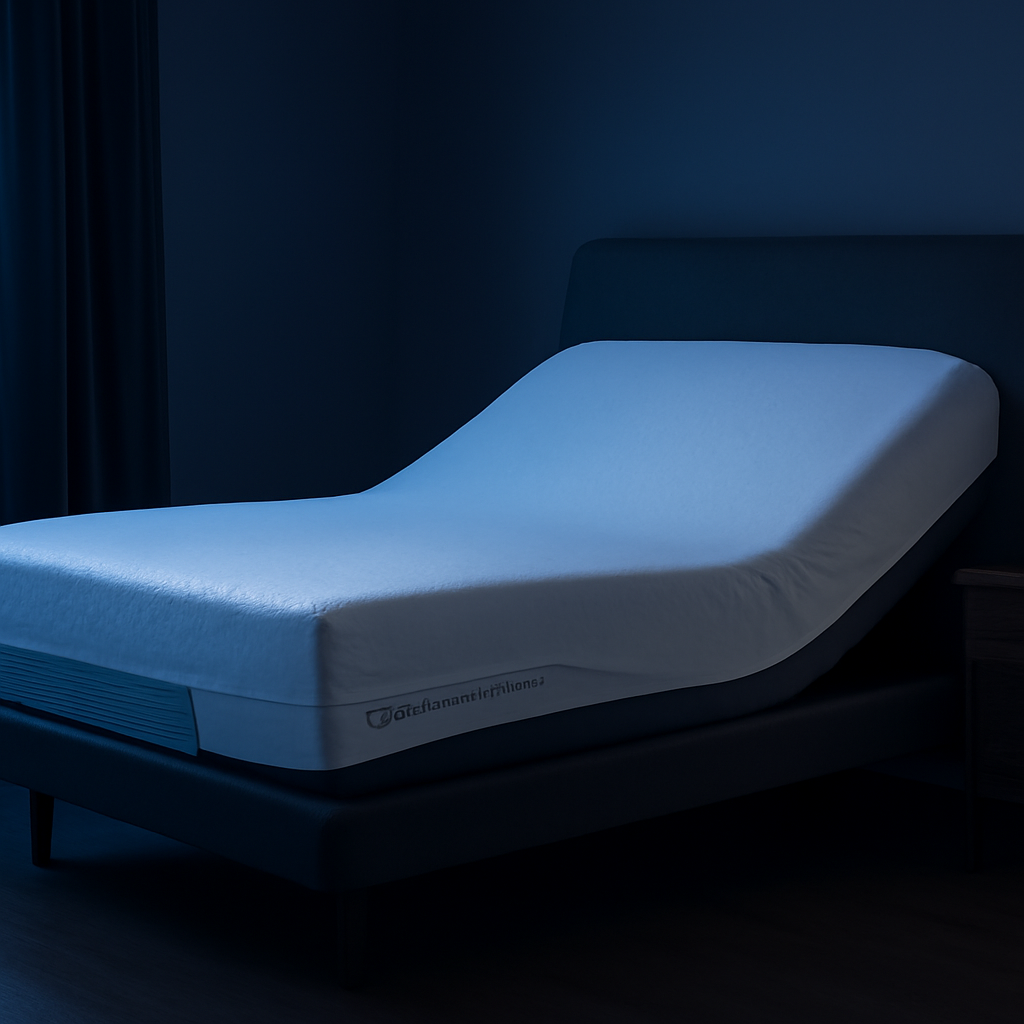
How to Choose the Right Antimicrobial Mattress Protector
1. Know Your Mattress & Your Needs
First thing’s first: size and depth. If you’re rocking a thick memory‑foam topper, the protector’s pocket has to be at least a couple of inches deeper than the mattress itself. A snug fit keeps the antimicrobial layer in place and prevents it from sagging where it matters most.
Next, think about the people who sleep with you. Do you have a pet that loves to dig? Or a family member prone to night sweats? Those details shape whether you want a waterproof, water‑resistant, or just a breathable protector.
2. Check the Antimicrobial Claim
Not all antimicrobial treatments are created equal. Look for labels that mention FDA or GRAS approval – those are industry‑wide safety marks. The Puracare treatment, for example, is a plant‑based, biodegradable blend that’s been shown to keep bacteria, mould and fungus at bay without harsh chemicals.
In the Forbes article on mattress protectors, the author stresses the importance of verifying the active agent rather than just reading “antibacterial” on the tag. It’s the difference between a generic “spray” and a scientifically‑tested compound.
3. Fit & Comfort
A protector that feels like a second skin is worth the extra effort to get the right size. If the corners snap into place with elastic, it stays on even when you twist in your sleep. For couples who like to move a lot, a five‑sided protector that covers the bottom can be a game‑changer.
Want extra cushioning? Some protectors come with a thin quilted layer that adds just a hint of plushness without sacrificing the antimicrobial layer. If you’re on a tight budget, the plain‑woven options often pack the same protective punch for less.
4. Breathability & Moisture Control
When the protector is too thick or made from a vinyl‑like material, it traps heat and moisture. That’s a breeding ground for microbes. Look for cotton‑blend or bamboo fabrics that breathe, and check if the protector has a moisture‑wicking membrane on top of the Puracare layer.
Imagine lying on a sheet that feels cool in the summer and dry in the winter – that’s the kind of comfort you’ll get when the airflow isn’t cut off.
5. Maintenance Tips
One of the biggest wins with an antimicrobial protector is low‑maintenance. Wash it once a month on a gentle cycle with mild detergent – no bleach, no high heat. If you’re dealing with heavy night sweats or pets, a weekly wash can keep the microbes at bay.
Flip the protector every two weeks so the antimicrobial agent wears evenly. This simple trick extends the life of the treatment and keeps the surface fresh.
6. Final Checklist
- Size matches mattress (length, width, depth)
- Five‑sided or full‑encasement if you need extra protection
- FDA‑approved or GRAS‑approved antimicrobial claim
- Breathable, moisture‑wicking fabric
- Easy to machine‑wash and dry
- Can be flipped or rotated for even wear
Armed with this checklist, you’ll pick a protector that’s not just a cover but a real partner in your nightly routine. And if you’re curious about the nitty‑gritty of how these treatments work, the Forbes guide dives deeper into the science and best‑practice tips. Forbes guide is a solid reference point to back up every step.
Installing and Caring for Your Antimicrobial Mattress Protector
Ever feel like you’re battling invisible forces each night? That’s the micromite army that a good antimicrobial mattress protector keeps at bay. Below is a quick walk‑through of how to get it on, keep it fresh, and make sure it stays effective for months.
If you’re looking for a step‑by‑step visual guide, American Textile installation guide walks you through each move.
Getting the Fit Right
Start by measuring your mattress’s length, width, and depth. The protector has to sit snugly; a loose cover means the antimicrobial layer can shift, reducing its power. If you have a thicker topper, add a couple of inches to the depth.
Next, do a quick vacuum on the mattress surface to knock off dust and allergens that might clog the protective barrier.
Slide It On Like a Fitted Sheet
Lay the cover flat and pull each corner over the mattress. Think of it like fitting a fitted sheet, but with extra elastic at the corners.
If the protector has a zipper, line it up with the mattress edge and slide it down gently, making sure the zipper stays straight.
Once the top is secured, grab the bottom corners and pull the cover tight. If you’re struggling, enlist a friend—two hands make the job easier.
Now, zip it closed or secure the top edge with the elastic strip. A tight fit keeps the antimicrobial coating in direct contact with the mattress, giving it the best chance to fight microbes.
Flip & Rotate for Longevity
Every two to three weeks, give the protector a quick flip. If it’s a full‑encasement, simply reverse the direction it sits on the mattress. This simple move spreads wear across the surface and keeps the Puracare treatment evenly distributed.
For five‑sided protectors, rotate the cover 180 degrees. The goal is to prevent any one spot from bearing all the pressure, which can thin out the antimicrobial layer faster.
Wash & Dry Like a Pro
Washing is a breeze—just a gentle cycle with mild detergent, no bleach, and no high heat. The Sleep Foundation guide recommends a cold or warm wash and a low‑heat tumble dry to keep the fabric intact.
If the cover is water‑proof, hand‑wash it instead to extend its life. After washing, make sure it’s completely dry before re‑laying it on the mattress. A damp cover can become a breeding ground for microbes, which defeats the whole point.
For a quick stain fix, treat spots with a little baking soda or a gentle enzyme cleaner, let it sit for a few minutes, and then wash as usual. No harsh bleach—Puracare already keeps the surface safe.
Now that you’ve got the basics down, let’s check out a short demo that walks through each step in real time.
With these steps, your antimicrobial mattress protector stays fresh, breathable, and ready to protect you every night. Remember: a simple flip and a monthly wash keep the Puracare active, turning your bed into a clean, restorative sanctuary—exactly what you need after a long day.
If you’re caring for a partner with sensitive skin or an allergy, keep an eye on any irritation. A simple patch test—apply a small area of the protector to the inner arm and wait 24 hours—can confirm it stays skin‑friendly over time.
Comparing Popular Antimicrobial Mattress Protector Brands
Let’s cut through the hype and see which protector really holds up when the night gets sweaty, the kids spill juice, or the pet curls up on the edge. We’ll look at three fan‑favorites: Sijo Airyweight, Linenspa, and Tuft & Needle. Each tackles the same problem—keeping your mattress clean and bacteria‑free—but they differ in feel, waterproofing, and breathability.
1. Comfort Meets Protection: Sijo Airyweight
What you feel matters as much as what it does. The Sijo Airyweight uses a Tencel lyocell top that’s soft, cool, and almost whisper‑quiet. If you’re a hot sleeper, that breathability is a game‑changer.
Its double‑backed TPU layer seals in liquid, so a toddler’s accidental spill won’t seep down. The downside? The cover can be a touch warmer than cotton‑based options, so if you’re prone to overheating, it might feel a bit clingy.
2. Budget‑Friendly, Still Tough: Linenspa
At just under $20, Linenspa is the go‑to for anyone who wants basic waterproofing without a pricey tag. The polyester cover is thin, so it’s almost invisible under sheets.
The trade‑off is a slightly thicker feel at the edges and a plain polyester texture that can feel a little warm. But if your main concern is a wet mattress after a wine spill, this is solid.
3. All‑Around Protection: Tuft & Needle
Tuft & Needle takes the extra step by extending waterproofing to the sides. That means even if something drips off the mattress, the protector keeps it out.
It’s made from 100% polyester with a TPU coating, certified by Oeko‑Tex, and comes with a 100‑night trial. The price point is higher than Linenspa but still reasonable for the added coverage.
So, which one should you pick? Let’s break it down in a quick table.
| Feature | Sijo Airyweight | Linenspa | Tuft & Needle |
|---|---|---|---|
| Waterproofing | Yes, double‑backed TPU | Yes, polyester + TPU | Yes, side‑to‑side protection |
| Breathability | High (Tencel lyocell) | Moderate (polyester) | Good (polyester with TPU) |
| Noise | Almost silent | Low, but some creak | Quiet, but not whisper‑soft |
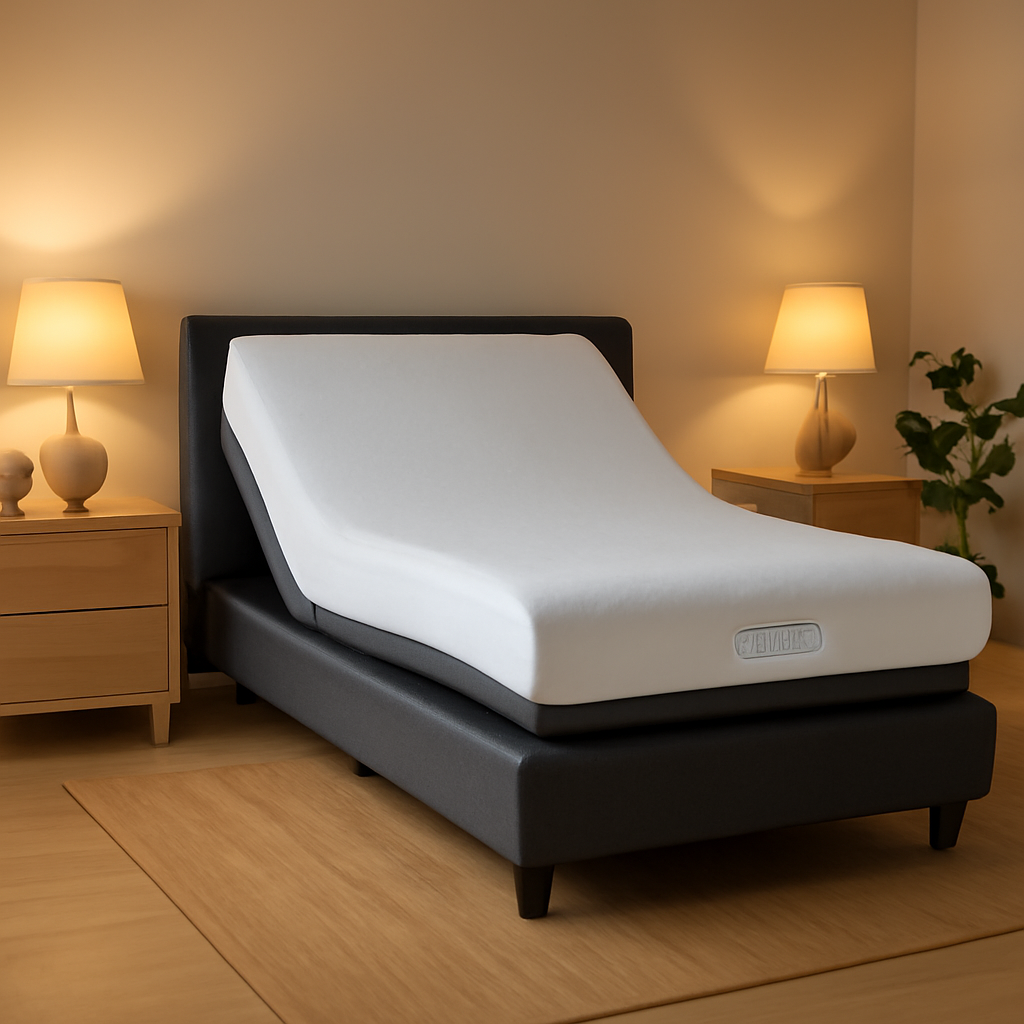
Here’s the kicker: the antimicrobial layer itself—Puracare—is the same in all three. That means the fight against bacteria, mould, and fungus is consistent. What varies is how well the cover keeps the treatment in contact with the mattress surface and how comfortable you feel while you’re sleeping.
For people with chronic pain or who use NDIS‑approved beds, comfort is key. The Sijo Airyweight’s cooling feel can reduce pressure points. If you’re a caregiver dealing with frequent spills, the Linenspa’s thinness means you can slip it on in a pinch. And for those who want full‑encasement protection, the Tuft & Needle’s side coverage keeps the mattress safe no matter what.
Want to see how these choices stack up in a real‑world scenario? The Forbes review notes that Sijo’s protector stays cool and quiet, while Linenspa is praised for its affordability and easy washability, and Tuft & Needle offers the most comprehensive waterproofing for families with pets or kids. Forbes’ roundup gives a deeper dive into each brand’s pros and cons.
Bottom line: pick the protector that matches your nightly routine. If you’re a hot sleeper who loves a light touch, go for Sijo. If you’re watching the budget but still need liquid defense, Linenspa is solid. And if you want the ultimate shield for spills that might run down the side, Tuft & Needle’s all‑around protection is worth the extra spend.
Remember, the key is to keep the Puracare layer fresh—wash it monthly, flip it every few weeks, and you’ll sleep like a champion.
Maintenance Tips for Longevity of Your Antimicrobial Mattress Protector
When you first slipped that antimicrobial mattress protector over your bed, you probably felt a surge of relief. But like any protective layer, its magic fades if you let it go to waste. Here’s a play‑by‑play guide to keep your Puracare‑treated cover fresh, long‑lasting, and ready to fight the next night’s sweat or spill.
1. Wash, Wash, Wash – But Do It Right
Most Puracare covers are machine‑washable, but not all fabrics react the same. Check the care label first. If it says “gentle cycle” and “no bleach,” that’s the safest route. A hot wash (about 104 °F) can kill microbes, but too hot can shrink or damage the antimicrobial coating.
Use a mild, non‑ionic detergent – no chlorine bleach or fabric softener. Bleach can strip Puracare’s natural oils, making the protection less effective.
After washing, tumble dry on low heat or, better yet, air‑dry. High heat can warp the fabric and compromise the antimicrobial layer. If you’re in a damp climate, line‑drying on a heavy‑duty rack helps keep the cover supple.
Homes & Gardens breaks down exactly which cycles and temperatures work best for cotton and polyester protectors.
2. Flip and Rotate – Give Every Spot a Chance
Even the toughest antimicrobial agents wear out faster on the side that gets the most pressure. Flip the cover every two to three weeks. If you have a full‑encasement, simply turn it inside out. For a five‑sided protector, rotate 180°.
When you flip, check the edges. A snug fit keeps the Puracare layer in contact with the mattress, preventing any gaps where sweat could seep in.
3. Spot‑Treat Before It’s Too Late
Spills happen. Treat them promptly with a light spray of water followed by a fabric‑safe stain remover. Let it sit 30 minutes, then blot. Avoid letting the stain sit overnight; the longer it stays, the more it penetrates the weave.
For stubborn grime, a gentle baking soda paste can lift residue without harsh chemicals. Sprinkle, let sit, then vacuum.
4. Vacuum, Don’t Vacuum
Dust mites and dander love the warm, humid micro‑world under your protector. A quick handheld vacuum with an upholstery attachment removes these irritants, but be cautious with natural‑fiber covers—vacuuming can loosen the weave and cause pilling.
Use a lint roller for quick hair removal, or a soft brush for a more delicate touch.
5. Store Smartly When Not in Use
If you need to remove the protector for a deep clean or storage, fold it neatly. Keep it in a dry, airy bin – no plastic bags that trap moisture. A folded protector takes up less space and keeps the fabric from creasing.
6. Keep an Eye on the Finish
Notice any yellowing, stiff spots, or a change in texture. These signs mean the Puracare layer is losing potency. If you see them, it’s time to replace the cover. A fresh protector ensures the antimicrobial action stays at peak performance.
7. Sustainability Matters
Choosing a protector that’s not only antimicrobial but also eco‑friendly extends the mattress’s lifespan and reduces landfill waste. Microban’s Sustainable Bedding Solutions blog highlights how antimicrobial technology can cut down on harsh cleaning chemicals and keep bedding fresher longer.
Every wash you do is a small step toward a cleaner planet while keeping your sleep surface safe.
8. Know When It’s Time for a New Cover
If the protective layer looks faded, feels stiff, or you notice a lingering odor that washing can’t lift, it’s probably time for a replacement. A fresh cover restores the Puracare action and keeps allergens at bay.
9. Quick‑Fix Hacks for Busy Days
On a hectic night, grab a quick wipe with a microfiber cloth and a splash of mild detergent to dab away stains. It won’t replace a full wash, but it can keep the surface fresh until you have time.
In short, regular washing, flipping, spot‑treating, and mindful storage keep your antimicrobial mattress protector performing like new. Follow these simple habits, and you’ll wake up each morning feeling as protected as when you first unrolled that fresh, Puracare‑treated layer.
Frequently Asked Questions
What makes an antimicrobial mattress protector different from a regular sheet?
An antimicrobial cover has a treated layer—like Puracare—embedded in the fabric that actively fights bacteria, mould and fungi. A regular sheet just covers the mattress; it doesn’t stop microbes from thriving in the warmth and humidity of a bed. Over time, that can turn your mattress into a breeding ground for allergens and irritants, especially if you’re prone to night sweats or allergies.
Can I wash my antimicrobial protector with bleach or strong detergents?
Bleach and harsh chemicals can strip or damage the treatment layer, reducing its effectiveness. Stick to a gentle cycle with a mild, non‑ionic detergent and avoid high heat or dryer settings that might warp the fabric. A light rinse or a quick spot‑clean with water and a gentle soap is enough to keep it fresh without compromising the antimicrobial action.
How often should I flip or rotate my protector to keep it effective?
Every two to three weeks is a good rule of thumb. Flipping distributes wear evenly, ensuring the antimicrobial layer stays in direct contact with the mattress. If you have a full‑encasement cover, simply turn it inside out; for a five‑sided protector, rotate it 180°. This simple habit extends the life of the treatment and keeps your sleep surface consistently fresh.
Will an antimicrobial protector help with allergies or asthma symptoms?
Yes, it can. By limiting the growth of dust mites, mould spores and bacterial colonies, the cover reduces airborne allergens that often trigger asthma or allergic reactions. If you’re sensitive to dust or have a reactive skin condition, keeping the mattress surface cleaner can translate into fewer nighttime flare‑ups and a smoother breathing cycle while you sleep.
Is it safe to use an antimicrobial protector if I have sensitive skin or allergies?
Puracare and similar treatments are plant‑based, free from harsh chemicals like triclosan or heavy metals, which makes them kinder to sensitive skin. However, if you notice irritation, do a quick patch test: apply a small square to your inner arm and wait 24 hours. No redness or itching means it’s likely safe for regular use.
Can I use a mattress protector on an adjustable bed or lift recliner?
Absolutely. In fact, many users of adjustable beds appreciate a protective layer that stays flat even when the frame shifts. Choose a model with a snug fit or elastic corners to prevent slipping. Because the protector is lightweight, it won’t interfere with the bed’s motor or comfort settings.
When is it time to replace my antimicrobial mattress protector?
Signs it’s time for a new one include visible fading, stiffness, a persistent odor that washing can’t lift, or if the fabric’s texture feels rougher. A fresh cover restores the antimicrobial action and keeps allergens at bay. Replacing it keeps your bedding ecosystem balanced and your sleep quality optimal.
Helpful Resources & Further Reading
After you’ve got your antimicrobial mattress protector tucked in, the next step is staying in the know. Here’s a quick rundown of trusted guides, DIY hacks, and research that keeps your sleep game strong.
1. DIY Cleaning Playbook
Grab a gentle detergent, set your wash machine to a cool, 30‑minute cycle, and tumble dry low. Remember—no bleach, no hot water, and always flip the cover every few weeks to keep the treatment even. Let it air dry for hours before folding.
2. Moisture‑Control Checklist
Check your room’s humidity; if it’s above 50%, consider a dehumidifier. A dry environment makes the Puracare layer last longer and keeps dust mites at bay. Humidity helps decide when to replace a cover.
3. Night‑Time “Reset” Routine
Every morning, give the cover a quick brush with a soft brush or a handheld vacuum. It removes surface dust and keeps the fabric breathable. A brush night keeps allergens from settling deeper.
4. Seasonal Swaps
In summer, use a lightweight cotton or bamboo cover. In winter, add a thin quilted liner for extra warmth without blocking airflow. Switching to a liner in winter prevents overheating.
5. Community Story Exchange
Join local sleep‑health forums or Facebook groups. Hearing how others tweak their protectors for chronic pain or caregiving gives you ideas you might not find in a manual. People share DIY hacks for mattresses and recliners.
6. Ongoing Learning Hub
Follow sleep‑science blogs that cover mattress microbiology and bedding tech. Staying updated helps you spot new treatments and avoid outdated myths. Helps you pick the best material for your sleep style.
Conclusion
So here’s the bottom line: an antimicrobial mattress protector isn’t just a fancy add‑on—it’s a practical shield that keeps bacteria, mould and sweat from turning your bed into a breeding ground.
In short, it’s about peace of mind. If you’re dealing with chronic pain, sensitive skin or you’re a caregiver who wants to keep the surface clean between visits, the right cover can be a game‑changer.
What to do next? Pick a fabric that breathes, make sure the Puracare treatment is FDA‑approved, and set a simple routine: flip every few weeks, wash monthly, and keep the room below 50 % humidity.
Does that feel doable? Absolutely. All you need is a quick wash cycle, a soft brush in the morning and a check for any yellowing or stiffness. If you spot those signs, swap it out—new is better.
Remember, Sleep Sophie’s adjustable beds already give you the right positioning for pain relief. Pairing that with a proven antimicrobial cover takes the stress out of bedtime and lets you wake refreshed and ready for whatever the day throws at you.
Ready to make the switch? Give your mattress a fresh, hygienic layer and feel the difference for yourself.
Enjoy a cleaner, calmer sleep tonight.