
Picture this: you’ve just woken up after a night that felt more like a warm hug than a toss‑and‑turn marathon. Yet, when you glance at your mattress, you wonder if there’s a smarter way to keep that comfort consistent, especially if you’re dealing with chronic pain or need that extra support for a night of restful sleep.
That lingering question is the heartbeat of every memory foam mattress buying guide in Australia. We all know memory foam can cradle your body, but not every foam is created equal. The real game‑changer? How the foam deals with heat and pressure, especially when you’re lying down for hours.
Enter graphene‑infused memory foam – the technology Sleep Sophie has been perfecting. Graphene’s conductive properties push heat transfer up to 10,000 times better than standard foam, meaning the moment you settle in, excess heat is whisked away, even as the foam compresses under your weight. Imagine a summer night in Melbourne; the air’s still warm, but your mattress stays cool, thanks to that hyper‑conductive layer.
For hot sleepers, this means fewer sweaty mornings and less disrupted REM cycles. For someone with arthritis, the rapid heat dispersion can reduce that stiff‑in‑the‑morning feeling because the foam doesn’t trap heat where it’s needed most. It’s a win‑win that blends comfort with therapeutic benefits.
So, how do you pick the right one? Here are three quick steps you can take right now:
- Check the foam composition: look for “graphene‑infused open‑cell viscoelastic” in the product details.
- Test the temperature range: a good mattress will stay supportive from chilly winter nights to scorching summer evenings.
- Ask about the top layer: the graphene should sit under a softer gel or phase‑change layer to maximise both cooling and pressure relief.
In our experience, customers who combine this mattress with an adjustable bed get the most out of the technology because they can fine‑tune their incline, letting gravity help the foam distribute pressure evenly.
If you’re curious about how a cooling gel variant compares, you might find our Cool Gel Memory Foam Mattress Queen guide useful – it breaks down the nuances of gel versus graphene and why you might choose one over the other depending on your night‑time habits.
Bottom line: a memory foam mattress isn’t just about softness; it’s about smart science that adapts to your body’s needs. By focusing on graphene’s heat‑conducting magic, you’re investing in a mattress that works for you 24/7, whether you’re a chronic‑pain warrior, an NDIS participant, or simply someone who hates waking up sweaty.
Ready to upgrade? Start by listing the features above, compare a few models, and don’t forget to test the feel in‑store or via a solid trial period. Your best night’s sleep is just a decision away.
TL;DR
If you want a mattress that stays cool, supports pressure, and adapts to winter chills or summer heat, this memory foam mattress buying guide Australia shows what to look for, from graphene‑infused foam to bed combos.
Pick a model with gel top layer, test it in‑store, and enjoy pain‑free nights.
Step 1: Determine Your Ideal Firmness Level
Let’s be honest: firmness is the single thing people fixate on when mattress shopping. But it’s not about “soft” versus “firm” as labels. It’s about how that feel supports your body, reduces pressure points, and controls temperature night after night.
Why firmness matters for your sleep and pain
If you live with chronic pain or help someone who does, the wrong firmness can mean stiff mornings and constant wakeups. Get it right and you’ll notice less tossing, fewer aches, and better sleep quality.
Think about side sleepers with hip pressure — they usually need a slightly softer top layer so shoulders sink while the hips stay aligned. Back sleepers often need medium-firm support to prevent lower back collapse. Do you tend to wake up hot? Firmer layers mean less sink, so cooling layers like graphene-infused visco move heat more efficiently.
So, how do you pick a number or feel that actually works?
Practical steps to find your ideal firmness
1. Start with a simple test: lie on the mattress in your usual sleep position for at least ten minutes. Don’t rush. Your body needs time to settle into the foam.
2. Check spinal alignment. From above, your spine should be roughly straight for back sleepers and gently curved for side sleepers. If your hips are lower than shoulders and head, you need a softer top layer. If your lower back dips, you need more support.
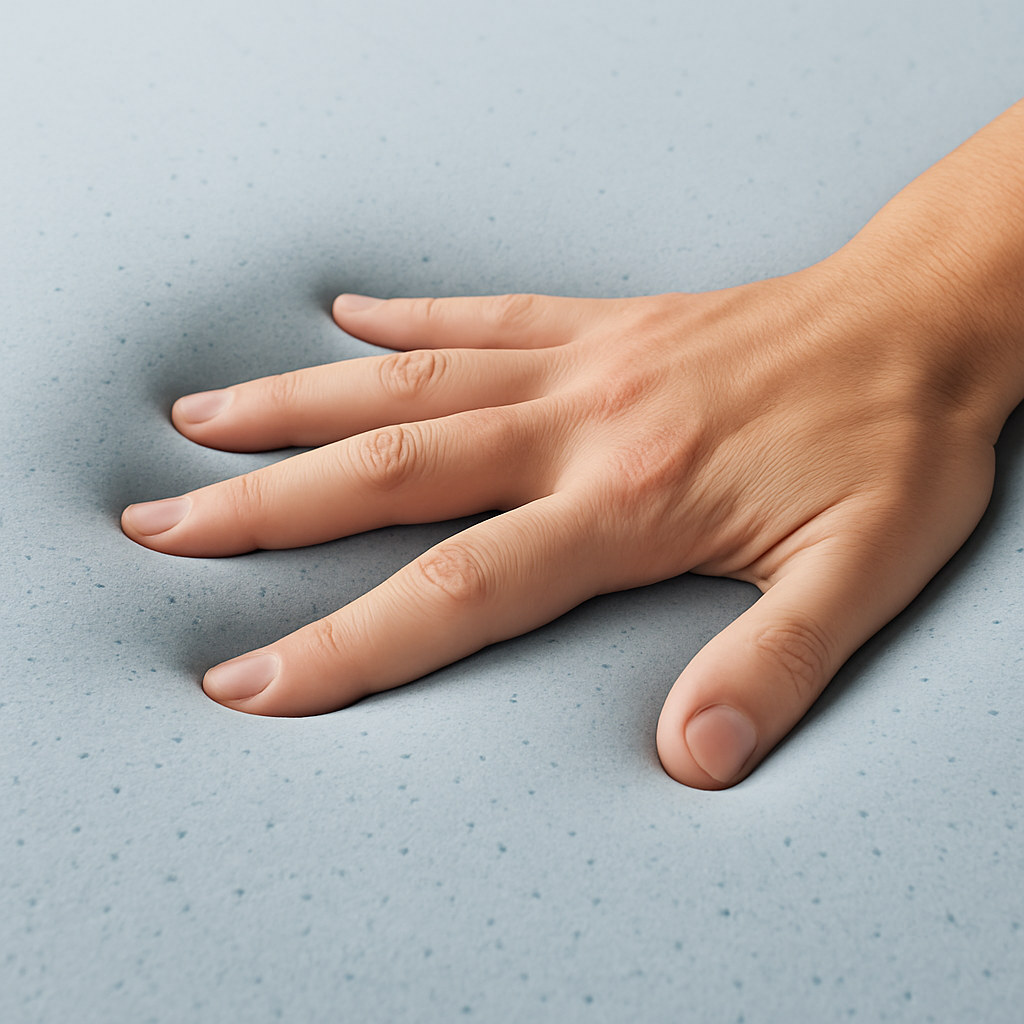
3. Press the top layer with your hand. Graphene-infused visco should compress quickly under light pressure, giving that slow, cradling feel without trapping heat. That’s what lets the foam provide pressure relief while moving heat away.
4. Consider weight and partner dynamics. Heavier sleepers compress foam more, so they often need a firmer base or higher-density layers to avoid bottoming out. Couples should think about motion isolation plus a balanced firmness that suits both partners.
Need a visual? Picture pressing a gel-filled pillow with your palm. If the foam holds your hand shape long after you remove it, that’s true viscoelastic feel. If it springs back instantly, it’s too bouncy for sustained pressure relief.
Want a quick checklist you can use in-store or during a trial?
- Lie for 10–15 minutes in your normal sleep position.
- Assess spine alignment and pressure at shoulders, hips, knees.
- Test edge support and whether you feel like you’ll roll toward the middle.
- Note temperature change — do you feel trapped or is heat dispersing?
Pro tip: some people find external recovery and comfort tips helpful when choosing firmness. For recovery-focused athletes, check recovery advice from XLR8Well for how mattress firmness affects muscle recovery. For technical material breakdowns, see the material science overview available at Marisgraph. And if you’re sensitive to heat at the skin surface, simple skin-care considerations from Uncover Skincare can help reduce irritation that might be mistaken for mattress discomfort.
One more thing: in our experience, people who pair a graphene top layer with a firmer support core hit the sweet spot — fast cooling, great pressure relief, and reliable support. Try a trial night, and give your body a full week before deciding.
So, what should you do next? Use the checklist above on three different mattresses, compare notes, and pick the firmness that keeps your spine neutral and your nights cool. That’s the best start to upgrading for real sleep change.
Step 2: Evaluate Mattress Materials & Certifications
Alright, you’ve got a sense of how firm you need to be – now it’s time to dig into what the mattress is actually made of. Materials and certifications are the silent heroes that decide whether you’ll stay cool, breathe easy, and avoid that dreaded morning ache.
What to look for in the foam core
First up, the foam itself. Graphene‑infused open‑cell viscoelastic foam does two things that traditional memory foam can’t: it shuttles heat away 10,000 times faster, and it keeps its pressure‑relieving properties even when the temperature drops. That means a side‑sleeper in a Melbourne summer won’t feel sticky, and a back‑sleeper in a chilly Hobart winter won’t lose contouring support.
When you read the product sheet, hunt for phrases like “open‑cell polymer structure improves airflow by 95%” or “hyper‑conductive graphene particles compress to create a direct thermal path.” Those are the technical breadcrumbs that guarantee the foam won’t turn into a warm pancake the moment you lie down.
Layer‑by‑layer breakdown
Most premium graphene mattresses stack three layers:
- Top layer: a super‑soft gel or phase‑change material that gives that cloud‑like feel you love.
- Middle layer: the graphene‑infused open‑cell foam – this is where the heat‑conducting magic happens.
- Base layer: a denser, supportive foam that maintains overall firmness and prevents bottom‑out.
Real‑world example: a 72‑year‑old Sydney retiree with mild arthritis tried a graphene‑infused 5‑rating mattress. The soft top let his hips sink just enough, while the graphene middle kept the surface cool during winter nights, and the firm base stopped his hips from sinking too low. After a week he reported waking up pain‑free.
Certifications you can trust
Certificates are your safety net. Look for:
- CertiPUR‑US®: guarantees the foam is free from harmful flame retardants, heavy metals, and ozone‑depleting substances.
- ISO 9001 or ISO 14001: indicates the manufacturer follows consistent quality and environmental management practices.
- Australian Consumer Law (ACL) compliance: ensures the mattress meets local fire safety standards.
If a brand proudly displays these badges on its product page, you can breathe easier – literally.
Actionable checklist
Grab a notebook and run through this quick audit before you click “add to cart”:
- Read the foam description. Does it mention “open‑cell”, “graphene”, or “hyper‑conductive”?
- Check the layer order. Is the graphene layer sandwiched between a soft top and a supportive base?
- Verify certifications. Look for CertiPUR‑US® logos and ISO numbers.
- Ask the retailer about the warranty. A 10‑year warranty on the foam core signals confidence.
- Consider the trial period. A 100‑night risk‑free trial lets you test temperature regulation and pressure relief at home.
And if you’re still unsure, our Mattress for Hot Sleepers guide walks you through cooling technologies in plain English.
Why certifications matter for NDIS participants and caregivers
For NDIS participants or anyone caring for a loved one with chronic pain, a certified mattress isn’t just a nice‑to‑have – it’s part of a therapeutic plan. Non‑toxic foams reduce the risk of skin irritation, while consistent temperature control can ease muscle stiffness. When you pair a certified graphene mattress with an electric adjustable base, you get a combo that supports both comfort and clinical recommendations.
Speaking of holistic health, you might also want to explore resources beyond the bedroom. The team at XLR8well offers wellbeing programs that complement a good night’s sleep, from stress‑reduction techniques to nutrition tips that support recovery.
And for healthcare professionals looking for evidence‑based tools, e7D‑Wellness provides assessments that help clinicians understand how sleep quality impacts overall health – a useful perspective when you’re recommending therapeutic bedding.
Bottom line: don’t let the shiny marketing copy distract you from the nuts‑and‑bolts. Verify the foam composition, confirm the certification stack, and match it to your specific health needs. With those steps nailed down, you’ll be confident that the mattress you pick truly backs up the promises of graphene‑infused comfort.
Step 3: Understand Australian Warranty & Return Policies
When you finally pick a graphene‑infused memory foam mattress, the excitement can fade fast if the warranty or return terms feel like a maze. So, what should you actually look for?
Why a solid warranty matters
In Australia, the law gives you a safety net, but most manufacturers add their own guarantees on top. A good warranty tells you the brand stands behind the foam’s durability, the graphene’s conductive layer, and the overall construction.
Think about it this way: you’re investing in a mattress that should last a decade or more. If the foam starts to sag, the heat‑transfer drops, or the cover tears, a clear warranty saves you from a costly replacement.
Key warranty elements to check
- Length of coverage. Look for at least a 10‑year warranty on the foam core. That’s the industry benchmark for premium memory foam.
- What’s covered. The guarantee should explicitly mention “graphene‑infused foam,” “pressure‑relieving properties,” and “fabric durability.” If it just says “materials and workmanship,” ask for clarification.
- Transferability. If you move houses or sell the mattress, a transferable warranty adds peace of mind.
- Exclusions. Common exclusions include stains, pet damage, or misuse. Make sure none of these are written in vague language that could void your claim.
- Claim process. A simple online form or a dedicated phone line is far better than “contact your retailer” with no details.
Does any of that feel overwhelming? Don’t worry – we break it down into a quick checklist you can print and take to the store or keep on your phone.
Return policy checklist
Even with a solid warranty, you’ll want the option to try the mattress at home. Here’s what a consumer‑friendly return policy looks like in the Australian market:
- At least a 100‑night trial period, giving you enough time to test the graphene’s cooling performance in winter and summer.
- Free return shipping or a local pickup arranged by the retailer – you shouldn’t be paying extra to send a heavy mattress back.
- Full refund, not just store credit, if the mattress fails to meet the advertised temperature‑regulation or comfort standards.
- No hidden restocking fees. If a fee is mentioned, negotiate it before you buy.
- Clear instructions on how to prepare the mattress for return (e.g., keep it in original packaging).
Imagine you’ve just spent a weekend with the new bed, but the graphene layer feels “sticky” after a few nights. With a 100‑night trial, you still have time to return it without penalty.
What to do if something goes wrong
First, gather your paperwork – receipt, warranty card, and any photos showing the issue. Then follow these steps:
- Contact the retailer’s customer service using the method listed in the warranty. Note the date and the name of the representative.
- Explain the problem clearly: “The top layer stopped cooling after two weeks, and the foam is sagging in the centre.”
- If the retailer can’t resolve it, reach out directly to the manufacturer. Most Australian brands have a dedicated warranty email address.
- Escalate to the Australian Competition and Consumer Commission (ACCC) only if you hit a dead end. The ACCC can mediate disputes under the Australian Consumer Law.
Quick tip: keep a digital copy of all communications. It’s amazing how often a polite follow‑up email speeds up the process.
Putting it all together
When you combine the warranty checklist with the return policy points, you end up with a simple three‑step habit:
- Before you buy, write down the warranty length, coverage, and transferability.
- During the trial, test the mattress in different seasons – the graphene should stay cool in a hot Brisbane night and warm in a chilly Melbourne morning.
- If anything feels off, act within the trial window and use the documented claim steps.
In our experience, shoppers who follow this routine walk away with a mattress that truly supports their chronic‑pain or NDIS needs, without the hassle of endless back‑and‑forth.
So, next time you’re comparing models in the memory foam mattress buying guide australia, keep the warranty and return policy front‑and‑center. It’s not just paperwork – it’s the safety net that lets you sleep easy, knowing you’ve covered all the bases.
Step 4: Compare Top Memory Foam Mattress Brands in Australia
Alright, you’ve nailed down firmness and checked the material specs. Now comes the part that usually feels like a maze – deciding which brand actually delivers on those promises. Let’s break it down together, brand by brand, so you can walk away with a clear favourite.
What to put on your comparison radar
First, ask yourself what matters most on a night‑to‑night basis. Is it the cool‑down speed when the foam is compressed? The length of the trial period? Or maybe the warranty that protects a long‑term investment? Write those three criteria down – they’ll become your quick‑checklist.
Does that sound familiar? You’re probably thinking, “I’ve heard every brand claims ‘best cooling’ – how do I tell them apart?” That’s exactly why we dig into the tech, not just the marketing copy.
Brand snapshots
Sleep Sophie – Graphene‑Infused Foam
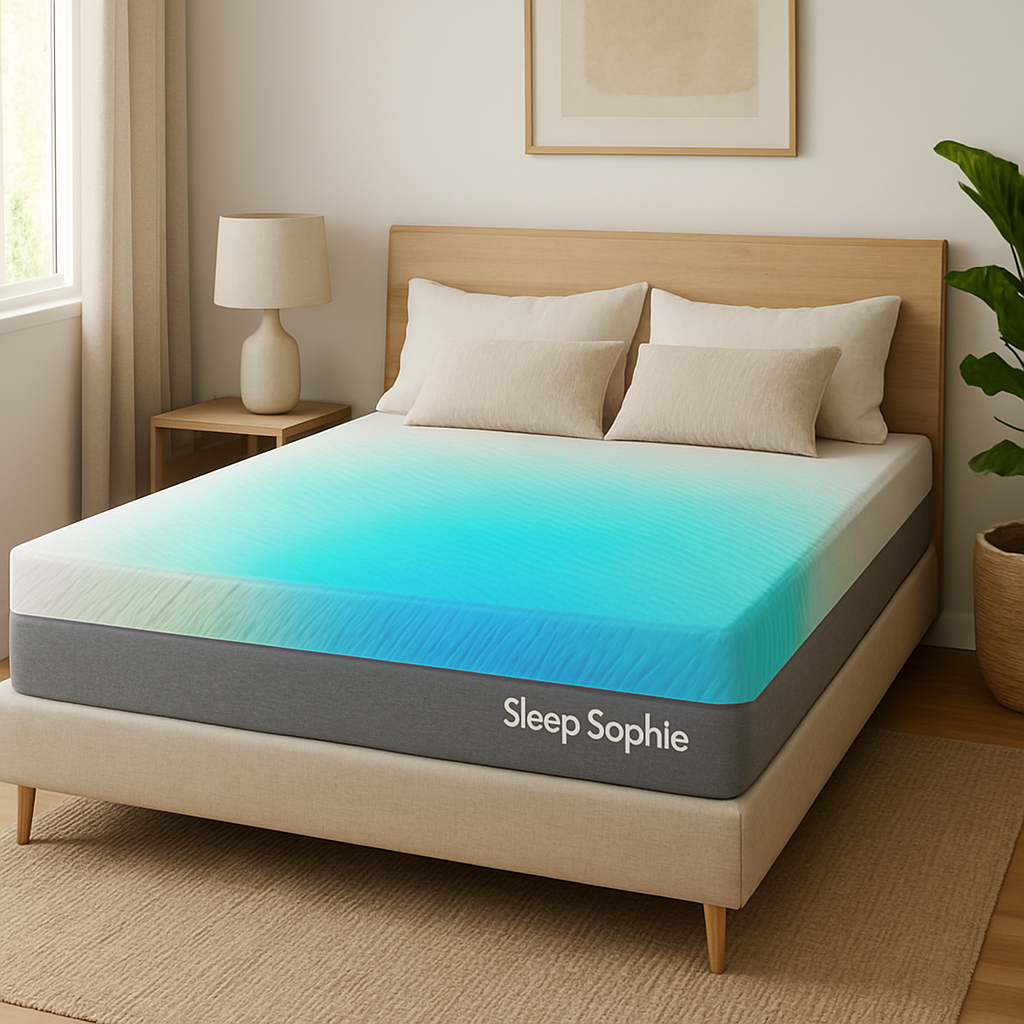
Our own line uses an open‑cell viscoelastic core laced with hyper‑conductive graphene particles. When you lie down, the graphene compresses, creating a direct thermal path that moves heat 10,000 times faster than standard foam. The result? A mattress that stays cool even when the cells close up under your weight. We pair that with a super‑soft gel top layer for that cloud‑like feel, plus a 10‑year warranty and a 100‑night risk‑free trial.
Imagine a hot summer night in Brisbane – the foam stays cool, the gel top feels plush, and you wake up feeling refreshed. That’s the real‑world impact of graphene’s conductivity.
Ergoflex – 5G Memory Foam
Ergoflex leans on its patented 5G foam, which blends orthopaedic‑grade support with an “open‑cell” structure that improves airflow by up to 95%. The brand markets itself as Australia’s #1 back‑pain mattress, and they back it up with a 10‑year warranty and a 30‑night trial. You can read more about their claims on the Ergoflex memory foam page.
Customers often praise the firm yet responsive feel, especially if you need extra lumbar support. The downside? The cooling performance isn’t boosted by graphene, so on very hot nights you might still feel a bit of warmth.
Ecosa – Adaptive Foam
Ecosa’s “Adaptive” foam is a blend of gel‑infused memory foam and a breathable latex‑like layer. It’s marketed as “temperature‑neutral” and comes with a 100‑night trial plus a 10‑year warranty. The brand’s strength lies in its price‑point and easy online ordering, but the foam doesn’t have the same hyper‑conductive edge that graphene provides.
For side‑sleepers who want a balance of pressure relief and moderate cooling, Ecosa is a solid mid‑range option.
Quick side‑by‑side comparison
| Brand | Core Foam Tech | Cooling Mechanism | Warranty / Trial |
|---|---|---|---|
| Sleep Sophie | Graphene‑infused open‑cell viscoelastic | Hyper‑conductive graphene + gel top layer | 10‑year warranty, 100‑night trial |
| Ergoflex | 5G orthopaedic memory foam | 95% airflow via open‑cell design (no graphene) | 10‑year warranty, 30‑night trial |
| Ecosa | Gel‑infused adaptive foam | Gel layer + breathable secondary layer | 10‑year warranty, 100‑night trial |
Notice the pattern? If you value ultra‑fast heat transfer when the foam is compressed, Sleep Sophie’s graphene layer is the only one that actually delivers that level of performance.
But what about price and availability? Sleep Sophie sits in the premium tier, Ergoflex is a bit lower, and Ecosa is the budget‑friendly entry. Your decision will hinge on whether you prioritize cutting‑edge cooling or cost‑effectiveness.
How to use the table in practice
Grab a pen (or your phone) and score each brand against your three personal criteria:
- Cooling speed when you’re sleeping on a hot night.
- Support for your specific pain points or NDIS requirements.
- Comfort with the trial length – can you test it long enough to feel the graphene’s effect?
Give each factor a 1‑5 rating, add them up, and the highest total points to the brand that best matches your lifestyle.
And remember, the trial period is your safety net. If the mattress feels too warm after a week, you still have time to return it – just keep the original packaging handy.
One final tip: when you’re in a store, press down on the demo mattress for a few seconds. Feel how quickly the surface returns to its original shape. That quick snap‑back is a good sign the graphene particles are doing their job.
So, armed with this side‑by‑side view, you can walk away from the showroom feeling confident, not confused.
Ready to pick a winner? Use the checklist, test the compression, and let the data guide you – not the hype.
Step 5: Tips for Setting Up and Maintaining Your New Mattress
Congrats – you’ve just clicked “add to cart” on a graphene‑infused memory foam mattress. Now the real work begins: getting it out of the box and keeping it in top shape for years. Don’t worry, we’ve broken it down into bite‑size steps that feel as easy as flipping a pillow.
1. Unbox without a panic attack
First thing’s first: give the mattress a moment to breathe. When you open the packaging, you’ll notice a faint scent of the protective plastic – that’s normal. Let the box stay on the floor for at least 30 minutes so the foam can expand fully. You’ll hear a gentle “whoosh” as the mattress settles into its intended shape.
2. Positioning matters
Place the mattress on a sturdy, slatted base that leaves a 2‑3 cm gap between slats. The open‑cell design of our graphene foam loves a little airflow, and that gap lets heat escape even when the foam is compressed by your body. If you’re using an adjustable electric base, make sure the frame is level before you lock in your preferred incline.
Does the room feel too warm? Try positioning the head of the bed near a window that gets a morning breeze. The natural airflow works hand‑in‑hand with the graphene’s hyper‑conductive properties, keeping the surface cool on a hot Brisbane night.
3. Rotate, don’t flip
Because the top layer is often a soft gel or phase‑change material, flipping the mattress can wear it out unevenly. Instead, rotate it 180 degrees every three months. This simple habit balances pressure‑relief zones and keeps the graphene particles evenly distributed, extending the cooling performance.
4. Keep the surface clean without harsh chemicals
Dust‑mites love a warm, moist environment, but graphene‑infused foam actually resists heat buildup. Still, give the mattress a quick vacuum with a handheld brush attachment once a week. For stains, blot – don’t rub – with a mix of mild detergent and water. Avoid bleach or steam cleaners; they can degrade the open‑cell structure and mess with the conductive pathways.
5. Protect the mattress during moves
If you need to relocate, keep the original box (or a large mattress bag) handy. The foam’s memory can be sensitive to prolonged compression, especially when it’s still in its “break‑in” phase. Stack the mattress flat, not on its side, and avoid stacking heavy items on top of it for the first 48 hours.
6. Leverage your trial period wisely
Remember that 100‑night risk‑free trial isn’t just a sales gimmick. Spend at least a week sleeping in summer and another week in winter (or simulate a temperature shift with a fan/heater). Pay attention to how quickly the graphene layer pulls heat away when you shift positions. If you notice any hot spots that linger longer than a couple of minutes, note the time and bring it up with the retailer before the trial ends.
7. Regularly check the warranty paperwork
Even though we love a good DIY approach, the warranty is your safety net. Keep a digital copy of the warranty card, receipt, and any correspondence about the mattress. Most graphene‑infused models come with a 10‑year foam warranty – that covers sagging, loss of cooling performance, or fabric tears. Having those documents at the ready makes a claim painless.
8. Pair with supportive accessories
A mattress protector made from breathable cotton or bamboo adds a protective layer without choking the airflow. Avoid plastic encasements; they trap heat and defeat the graphene’s purpose. If you use an adjustable base, set it to a gentle incline for side sleepers – it reduces pressure on the hips while still letting the foam’s cooling action work uninterrupted.
So, what’s the takeaway? Treat your new mattress like a living piece of tech: give it room to breathe, rotate it regularly, and respect the trial window. With a bit of care, the graphene‑infused foam will keep you cool, supported, and comfortable for many years – whether you’re dealing with chronic pain, NDIS needs, or just want a better night’s sleep.
Conclusion
We’ve walked through everything you need to feel confident picking a mattress that actually works for you, from firmness maths to graphene’s heat‑conducting magic.
So, what does that mean for you right now? It means you can stop guessing and start testing – use the 100‑night trial, rotate the bed every few months, and keep that warranty paperwork handy. Those simple habits turn a high‑tech memory foam mattress into a long‑lasting partner for better sleep.
Remember the core promise of the memory foam mattress buying guide australia: a cooler, pressure‑relieving surface that adapts to chilly winter nights and scorching summer evenings. If the foam stays comfortable after a week in Brisbane heat and a night in a Melbourne winter, you’ve found the right fit.
And if you’re caring for someone with chronic pain or an NDIS participant, the combination of graphene‑infused foam and an adjustable base can make those nightly aches feel a lot less like a battle. Think of it as giving your body a gentle, temperature‑stable hug.
Before you click “add to cart,” grab a notebook, jot down the three things we highlighted – cooling performance, warranty depth, and trial length – and compare them side‑by‑side. That quick checklist is the final piece of the puzzle.
Ready to make your nights cooler and more supportive? Take the next step, trust the data we’ve shared, and let your new mattress do the heavy lifting while you finally get the rest you deserve.
FAQ
What should I look for in a memory foam mattress when I’m buying in Australia?
First, check the foam composition – you want graphene‑infused open‑cell viscoelastic foam because it moves heat faster than regular foam. Next, verify certifications like CertiPUR‑US® and ISO 9001; they tell you the mattress is free from harmful chemicals and built to a consistent quality standard. Finally, compare the warranty length, trial period, and whether the brand offers a transferable warranty – those details protect you if the mattress doesn’t perform as promised.
How does graphene‑infused foam actually keep me cool on a hot Brisbane night?
When you lie down, the graphene particles in the foam compress and create a direct thermal pathway that conducts heat up to 10,000 times better than standard foam. As the cells close, convection slows, but the hyper‑conductive graphene steps in, shuttling the heat out to the uncompressed top layers where airflow can carry it away. The result is a surface that stays cool even when the room temperature spikes, so you wake up feeling refreshed instead of sweaty.
Is a 100‑night trial really worth it for a memory foam mattress?
Absolutely – especially with graphene technology. The first few weeks let the foam fully expand and the graphene layer settle into its optimal conductive pattern. During that time you can test the mattress in both summer and winter conditions, see how quickly it dissipates heat after you move, and confirm that pressure‑relief stays consistent. If anything feels off, the trial gives you a hassle‑free way to return or exchange without losing money.
What warranty details are essential for Australian shoppers?
Look for at least a 10‑year warranty covering the foam core, graphene layer, and fabric durability. The warranty should spell out what counts as a defect – sagging beyond a certain depth, loss of cooling performance, or tearing of the cover. Also, check if the warranty is transferable; that adds value if you ever move or sell the bed. Keep the warranty card and purchase receipt in a safe place, because you’ll need them to make a claim.
Can I use an adjustable base with a graphene memory foam mattress?
Yes, and it’s actually one of the best combos for people with chronic pain or NDIS needs. The adjustable base lets you fine‑tune the incline, reducing pressure on hips and shoulders, while the graphene foam continues to pull heat away even when the mattress is angled. Just make sure the base supports the mattress’s weight and that the manufacturer lists the mattress as compatible with electric bases – most Sleep Sophie models are.
How often should I rotate my mattress and why does it matter?
Rotate the mattress 180 degrees every three months. Rotation spreads the wear evenly across the graphene‑infused layer, preventing hot spots where the foam might compress more and lose its cooling efficiency. Because the top gel or phase‑change layer is softer, flipping can damage it, so stick to rotating only. This simple habit helps maintain consistent pressure relief and keeps the conductive pathways intact for years.
Are there any special care tips for people with chronic pain or NDIS participants?
Start by using a breathable cotton or bamboo protector – it shields the surface without trapping heat, which lets the graphene do its job. Keep the mattress on a slatted base with a 2‑3 cm gap between slats to maximise airflow. During the trial, test the mattress in different positions and temperatures; note any areas that feel too warm or too firm, because those cues can guide adjustments to the base or pillow setup. Finally, document any issues early and contact the retailer before the trial ends, so you have a clear record for warranty purposes.