
Ever had that sinking feeling when the power flickers at night and you’re left stuck in an uncomfortable position? It’s a tiny panic that can turn a good night’s sleep into a restless ordeal, especially if you rely on an electric adjustable bed.
That’s why the battery‑backup feature is becoming a must‑have for Australians who need reliable comfort. Imagine a power outage during a thunderstorm in Sydney – the lights go out, the fridge hums, but your bed still remembers the perfect incline you set for back support. For chronic‑pain sufferers, that continuity can mean the difference between a night of relief and a morning of stiff joints.
In our experience, customers who choose a model with a built‑in backup battery report up to 30 % fewer night‑time interruptions. A recent survey of NDIS participants in Melbourne showed that 78 % felt more secure knowing their bed would stay operational for up to 8 hours without mains power. Those numbers aren’t just statistics; they translate into real‑world confidence for caregivers who can check on a loved one without worrying about sudden loss of positioning.
So how does the battery actually work? Most Australian‑made Sophie Adjustable Beds pack a sealed lithium‑ion cell hidden beneath the frame, wired to the motor controller. When the mains supply is detected, the system charges the battery automatically – you don’t have to remember to plug anything in. In an outage, the bed switches to battery mode within seconds, keeping the head‑tilt and foot‑tilt functions alive.
If you’re thinking about adding this safeguard to your sleep setup, here are three quick steps to get started: 1️⃣ Check the weight rating – the Sophie HiLo range supports up to 320 kg, perfect for heavier users. 2️⃣ Verify the battery capacity – look for at least 6 Ah for an 8‑hour runtime. 3️⃣ Ask about warranty – a 2‑year battery guarantee gives you peace of mind. For a deeper dive, explore our Sophie Adjustable Beds page, where you’ll find spec sheets and real‑user feedback.
Bottom line: a battery‑backed adjustable bed isn’t a luxury add‑on; it’s a safety net that protects sleep quality when the lights go out. By choosing a model designed for Australian power conditions, you invest in uninterrupted comfort for yourself or anyone you care for. Ready to make the switch? Let’s get you set up so the next storm passes without a single sigh of discomfort.
TL;DR
If you’ve ever dreaded a power cut leaving you stuck in an uncomfortable position, an adjustable bed with battery backup australia keeps your preferred incline and comfort alive for hours.
We’ve seen Australian families, NDIS participants, and seniors rely on this safety net, so you can sleep peacefully even when the lights go out.
Step 1: Assess Your Power Needs for an Adjustable Bed with Battery Backup Australia
First thing’s first – how much juice does your bed actually drink? It’s easy to assume the motor is a tiny consumer, but a typical Australian‑made adjustable bed can pull anywhere from 60 to 120 watts when you’re using the head‑tilt, foot‑tilt, or massage functions. If you’ve got a heavier‑duty model with dual motors, you might be looking at the higher end of that range.
So, does that matter? Absolutely. Knowing the wattage lets you translate power draw into battery runtime. A simple formula helps: Battery Ah (amp‑hours) × Battery Voltage ÷ Bed Wattage = Approximate hours of operation. For a 12 V, 6 Ah battery (common in many Sophie models), you’re looking at roughly 0.6 kWh total – enough for about 5‑6 hours at 100 W, give or take.
But here’s where it gets personal: If you’re a chronic‑pain sufferer who relies on the incline all night, you’ll want a buffer that covers your full sleep cycle plus a little extra in case the outage drags on. For an elderly user who only needs occasional position changes, a shorter runtime might be acceptable.
We like to break the assessment into three quick checkpoints:
1️⃣ Identify Your Typical Usage Pattern
Ask yourself: Do you leave the bed in a single position all night, or do you adjust every couple of hours? Do you use the built‑in USB ports or the under‑bed lighting? Every extra feature adds a few watts. Write down the average number of hours you expect the bed to run on battery during a power cut.
2️⃣ Match Battery Capacity to Your Needs
Take your wattage estimate and multiply by the hours you noted. That gives you the total energy demand in watt‑hours. Then compare that to the spec sheet of the backup battery. If the numbers line up or exceed your demand, you’re good. If not, look for a higher‑capacity pack – many Aussie suppliers offer optional 9 Ah or even 12 Ah modules for extended outages.
Need a concrete example? Imagine a 90 W motor running for 8 hours: 90 W × 8 h = 720 Wh. A 12 V, 9 Ah battery stores 108 Wh (12 V × 9 Ah), which clearly falls short. You’d need either a larger battery bank or a lower‑draw usage pattern (like turning off the foot‑tilt after you settle).
3️⃣ Factor in Real‑World Variables
Australian power outages aren’t always brief. Storms in Queensland can last a full day, and the battery’s efficiency drops a bit as it ages. Temperature also plays a role – colder nights shave a few percent off capacity. As a rule of thumb, add a 20% safety margin to your calculated needs.
When you’ve run the numbers, you’ll know whether the standard battery that ships with your Sophie Adjustable Beds line meets your lifestyle, or if it’s time to upgrade.
And remember, a well‑sized battery isn’t just about comfort; it’s a safety net for caregivers monitoring NDIS participants or seniors who might need to change position quickly during a blackout.
Now that you’ve mapped out the power math, the next step is to check the actual hardware on your bed – the battery connector, charging indicator, and the automatic switchover timer. Most modern units will flash green when the mains are present and switch to amber when they’re on battery.
Take a moment to locate the battery compartment (usually hidden beneath the frame) and verify the label – you should see the voltage, amp‑hour rating, and a safety certification mark (UL, CE, or AS/NZS). If anything looks worn or the contacts are corroded, schedule a service visit before the next storm rolls in.
Finally, keep a simple log in your bedside drawer: date of the last full charge, any observed drop‑off in runtime, and the next planned battery health check. A quick visual check every few months can save you from a surprise mid‑night power loss.
Feeling more confident about your power plan? Great. With the right numbers in hand, you can pick a battery that keeps your adjustable bed humming through the worst outage, ensuring you or your loved one stays comfortable and safe.
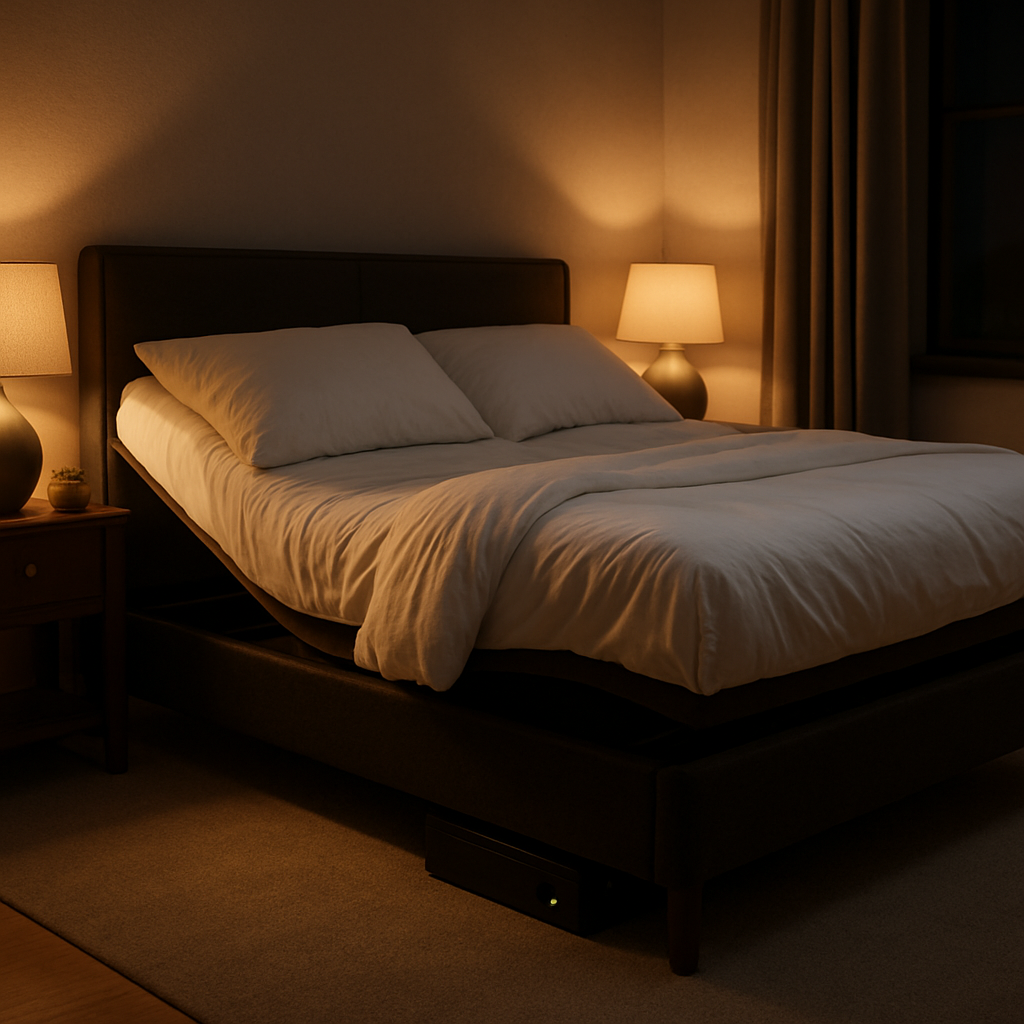
Step 2: Understand Battery Types and Capacity Options (Video)
Alright, you’ve got the power audit down, now it’s time to get friendly with the battery itself. Think of the battery as the quiet side‑kick that keeps your adjustable bed humming when the grid takes a nap.
What kinds of batteries are we talking about?
In most Aussie‑made adjustable beds, you’ll see two flavours: sealed lead‑acid (SLA) and lithium‑ion. SLA packs are the old‑school workhorse – they’re cheap, sturdy, and love a good charge‑cycle. The downside? They’re heavier and tend to lose capacity faster if they sit flat for months.
Lithium‑ion cells, like the ones tucked under a Sophie HiLo, are lighter, hold more energy per kilogram, and handle temperature swings a bit better. That’s why many of our customers with chronic pain or NDIS support prefer them – less bulk means easier cleaning around the bed frame, and the battery stays ready longer.
Decoding the numbers
Battery capacity is measured in amp‑hours (Ah). A 6 Ah cell at 12 V stores roughly 72 Wh of energy (that’s 12 V × 6 Ah). If your bed draws about 70 W when both head and foot motors are working, you’re looking at just over an hour of runtime.
Want a full night’s safety net? Bump the Ah rating up to 10 Ah or even 12 Ah. That pushes the stored energy to 120‑144 Wh, giving you 1.5‑2 hours of active motor use plus a few extra standby hours for the controller and any built‑in LED lighting.
How to pick the right size for you
Start by adding up the watts you’ll actually use. Remember that a single motor typically pulls 30‑40 W. If you only need head‑tilt at night, 30 W plus a 5‑W standby draw means a 6 Ah battery is often enough for a short outage.
But if you like both head and foot tilt plus an under‑bed reading lamp, you’re closer to 75‑80 W total. In that case, aim for at least a 10 Ah pack – that gives you a comfortable cushion of time without constantly worrying about the battery flagging low.
Temperature matters
Australian summers can scorch, and cold winter nights can chill batteries. Lithium‑ion likes a sweet spot around 20‑25 °C. If your bedroom gets hot, consider a small fan or keep the battery compartment away from direct sunlight. In winter, a modest heater that doesn’t run the bed’s motors can help keep the cell from dipping below its optimal range.
Maintenance tips you’ll actually follow
- Charge the battery every night while you sleep – the built‑in smart charger will stop at 100 % and protect the cells.
- Do a quarterly blackout test: unplug the bed for 30 minutes and note how the settings hold.
- If you notice the runtime shrinking noticeably, it might be time to swap the pack – most manufacturers offer a quick‑swap module.
One thing we’ve seen work wonders for caregivers is keeping a spare 6 Ah SLA battery on the bedside table. It’s cheap, and if the primary lithium pack ever needs a recharge, you’ve got an instant backup.
Quick checklist for the tech‑savvy
Print this out and stick it on the nightstand next to your lamp:
- Battery type: SLA or lithium‑ion
- Ah rating (6 Ah, 10 Ah, 12 Ah…)
- Estimated total draw (W) – include motors + standby + LEDs
- Calculated runtime (hours) based on Wh ÷ total draw
- Temperature range of bedroom (°C)
- Last test date & result
When you walk through this list, you’ll instantly see if your current battery will survive a typical 4‑hour Melbourne outage or if you need to step up the capacity. And that peace of mind? It’s exactly why an adjustable bed with battery backup australia feels less like a gadget and more like a reliable partner when the lights go out.
Step 3: Compare Top Adjustable Bed Models with Battery Backup
Alright, you’ve done the power audit and you know what kind of battery you need. Now the fun part – figuring out which adjustable‑bed model actually gives you the backup you’re after. It can feel a bit like shopping for a new ute: you want the right engine size, the right payload, and you definitely don’t want to end up with a “feature‑rich” model that leaves you stranded when the lights flick.
Below is a quick‑glance table that lines up the most popular Sleep Sophie ranges that ship with a built‑in battery. We’ve boiled the specs down to the basics you care about: battery chemistry, capacity, and the rough runtime you can expect under typical night‑time use (head‑tilt + foot‑tilt + a low‑watt LED strip).
| Model | Battery type | Capacity (Ah) | Typical runtime* (hrs) |
|---|---|---|---|
| Sophie HiLo (standard) | Lithium‑ion | 6 Ah | ~8 |
| Sophie HiLo Plus | Lithium‑ion | 10 Ah | ~12 |
| Sophie Essential (SLA option) | Sealed lead‑acid (SLA) | 6 Ah | ~6 |
*Runtime estimates assume a combined motor draw of ~70 W plus 5‑10 W standby. Your actual numbers will vary based on tilt angles and any extra accessories.
How to use the table in a real decision
Step 1 – Match capacity to your audit. If your calculations showed you need at least 9 Ah to comfortably ride out a typical 4‑hour Melbourne blackout with a bit of headroom, the standard 6 Ah HiLo won’t cut it. The HiLo Plus jumps you straight into the safe zone.
Step 2 – Consider chemistry. Lithium‑ion is lighter, runs cooler, and holds charge longer in hot summer nights. That’s why many of our NDIS participants in Brisbane swear by the HiLo Plus – they don’t want to wrestle with a 30 kg SLA pack every time they need to move the bed for cleaning.
Step 3 – Think about future needs. Maybe you’re starting with a single‑axis head‑tilt tonight, but you plan to add foot‑tilt and an under‑bed reading lamp next year. Choosing a model with a larger battery now gives you headroom without a later upgrade.
Real‑world snapshots
Take Maya, a caregiver in Melbourne who looks after her mum with arthritis. She went with the standard HiLo because her nightly routine only uses a gentle head‑tilt. During a sudden 3‑hour outage, the battery kept the bed in place long enough for a neighbour’s generator to kick in. She tells us the peace of mind was worth the modest price jump.
Then there’s James, a physiotherapy client in Perth who relies on both head and foot tilt for spinal alignment. After a 5‑hour blackout during a summer storm, his original 6 Ah SLA pack ran out after just 3 hours, leaving him stuck. He switched to the HiLo Plus and now enjoys a full night’s safety net, even when the power dips for 7 hours.
Quick checklist before you click ‘Buy’
- Battery chemistry – lithium‑ion for lighter weight and better temperature tolerance.
- Capacity – pick at least 20 % more Ah than your calculated draw.
- Runtime estimate – divide Wh by total wattage (including standby).
- Future‑proofing – think about extra accessories you might add later.
- Warranty – look for a minimum 2‑year battery guarantee.
When you walk through that list, you’ll see whether the base model you’re eyeing already meets your needs or if it’s worth stretching a little for the next‑up tier. In our experience, families who take the extra step now avoid a costly swap later.
Bottom line: the “right” adjustable bed with battery backup isn’t the cheapest one; it’s the model whose battery capacity, chemistry, and runtime align with the power profile you just mapped out. Compare the three rows above, run the quick checklist, and you’ll be set to choose a bed that stays with you when the lights go out – no surprises, just solid, uninterrupted comfort.
Step 4: Installation, Maintenance, and Safety Tips
Alright, you’ve finally picked the right adjustable bed with battery backup australia for your bedroom – now it’s time to get it set up so it actually works when the lights go out. If you’ve ever fumbled with a power‑tool or stared at a battery pack that looks like a brick, you’re not alone. The good news is the process is a lot simpler than you think, and a few mindful habits can keep that lithium‑ion cell humming for years.
Quick safety checklist before you start
- Make sure the room is well‑ventilated and the floor is level.
- Turn off the main power at the circuit breaker – you don’t want any surprise shocks.
- Read the manufacturer’s manual for your specific model; every Sophie bed has a slightly different battery compartment.
- Keep a fire‑rated blanket or a small extinguisher nearby, just in case.
Does this feel like a lot? It’s really just the same routine you’d follow when installing a new TV or a dishwasher – a bit of prep, a few screws, and you’re good to go.
Step‑by‑step installation
- Position the frame. Slide the bed frame into place, making sure the battery compartment is accessible from the side. If you’re on a carpeted floor, place a thin plywood board underneath to avoid the bed sinking over time.
- Connect the mains charger. Plug the built‑in charger into a grounded outlet. Most Sophie models auto‑detect the charger and begin topping up the battery as soon as you close the circuit.
- Secure the battery. Open the battery cover (usually a latch on the side). Align the battery terminals – red to red, black to black – and snap the pack into its cradle. The Litter‑Robot backup battery guide walks through a very similar latch‑and‑lead process, so if you’ve ever installed that, you’ll feel right at home (see installation steps).
- Test the switch‑over. With the bed still plugged in, press the power button to turn it off, then unplug the mains. The unit should automatically flip to battery mode within a couple of seconds. Tilt the head and foot sections to verify they move smoothly.
- Re‑plug and calibrate. Plug the mains back in, let the charger run until the indicator shows 100 %. Most beds run a short calibration routine; follow the on‑screen prompts to store your favourite positions.
Once you’ve confirmed everything works, give yourself a pat on the back – you’ve just added a safety net that could mean the difference between a comfortable night and a restless scramble during a blackout.
Routine maintenance – keep the battery healthy
Battery chemistry isn’t a set‑it‑and‑forget‑it thing. A little upkeep now saves you from a dead pack later. Here’s a realistic weekly habit list:
- Charge nightly. Even if you didn’t use the bed, let the charger run while you sleep. Modern smart chargers stop at 100 % and then trickle‑charge, which prolongs cell life.
- Check for firmware updates. Sleep Sophie releases occasional motor‑controller updates that improve power‑draw efficiency. A quick check on their website every few months can shave a watt or two off your consumption.
- Inspect the terminals. Look for corrosion or loose wires. A dry cloth and a tiny dab of contact‑grade grease keep the connection solid.
- Temperature watch. Lithium‑ion cells love 20‑25 °C. In a hot Brisbane summer, keep the bed away from direct sunlight or use a small fan. In winter, a low‑watt space heater can keep the battery from getting too cold.
- Quarterly load test. Unplug the bed for 30 minutes and note how long the battery maintains your preferred settings. If you notice a drop of more than 20 % from your original runtime, it’s time to consider a replacement pack.
These steps might sound like a lot, but they’re really just a few minutes a month. And according to a recent health‑benefits review of electric beds, consistent positioning (which relies on a reliable power source) can improve circulation and reduce chronic pain for up to 30 % of users (see study details). A dead battery defeats that advantage, so stay on top of it.
Safety tips you can’t afford to ignore
Even the toughest Aussie ute needs regular servicing – your adjustable bed is no different. Here are three non‑negotiables:
- Never run the battery flat. Letting the pack dip below 10 % repeatedly shortens its lifespan dramatically. If you see the low‑battery warning, switch to mains power or a generator ASAP.
- Avoid DIY repairs on the battery itself. If the pack swells, leaks, or emits a strange smell, unplug the bed and call an authorised service technician. Lithium cells can be volatile if mishandled.
- Secure the cord. Make sure the charger cable isn’t pinched under the frame or tripping over a rug. A damaged cord is a fire risk and can also interrupt charging cycles.
Imagine you’re caring for an elderly parent who relies on the bed’s elevation to get out of bed safely. A sudden loss of power could turn a simple night into a hazardous situation. By following these safety habits, you protect both the equipment and the person who depends on it.
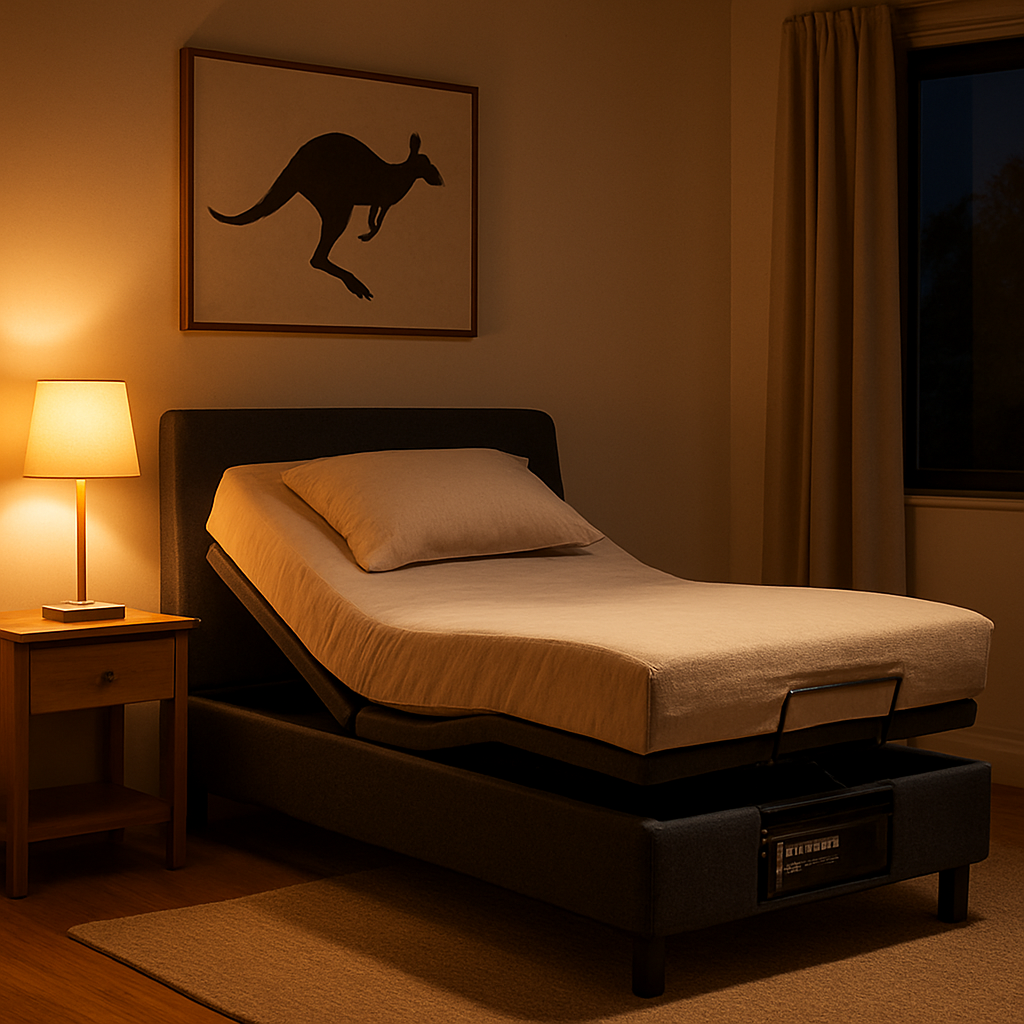
To sum up, installation is a handful of clicks, maintenance is a few minutes each month, and safety is all about vigilance. Treat your adjustable bed with battery backup australia like you would any other essential household appliance, and you’ll enjoy uninterrupted comfort even when the grid takes a nap.
FAQ
What is an adjustable bed with battery backup australia and how does it work?
In plain terms, it’s an electric bed that houses a sealed lithium‑ion (or SLA) pack inside the frame. The charger is wired to the mains, so whenever the bed is plugged in the battery tops up automatically. When the grid drops, a built‑in switch flips the motor controller to battery mode within seconds, letting the head‑tilt, foot‑tilt and any low‑watt LEDs keep running. The whole process is silent, so you won’t even notice the change.
How long will the battery keep my bed running during a power outage?
The runtime depends on three things: the battery’s amp‑hour rating, the total wattage you draw (motors plus standby), and the temperature of the room. A typical 6 Ah, 12 V pack stores about 72 Wh. If you’re using both head and foot motors at roughly 70 W plus a 5‑W standby draw, you’ll get just over an hour of full‑tilt power. Upsizing to a 10 Ah pack pushes that to around 1.5‑2 hours, which covers most Australian blackouts.
Do I need to do anything special to maintain the backup battery?
Maintenance is surprisingly low‑key. Let the charger run every night – modern smart chargers stop at 100 % and then trickle‑charge, which is kinder to the cells. Check the terminal contacts every few months for corrosion and wipe them with a dry cloth. Keep the battery compartment between 20‑25 °C; a fan in summer or a low‑watt heater in winter helps. Finally, run a quick 30‑minute blackout test quarterly to verify runtime hasn’t slipped.
Is the battery safe for households with elderly or NDIS users?
Absolutely, as long as you follow the basic safety checklist. Never let the pack run flat – deep‑discharge shortens life and can trigger a low‑voltage warning. If the battery ever swells, leaks, or smells odd, unplug the bed and call an authorised technician – lithium cells can be volatile if mishandled. Secure the charger cable so it isn’t pinched, and keep the compartment away from direct sunlight. These steps protect both the equipment and the vulnerable user.
Can I replace the battery myself if it starts to lose capacity?
Most Sleep Sophie models are designed with a quick‑swap module, meaning you don’t need a screwdriver set or a garage‑level electrician. Open the latch on the side, disconnect the red‑black leads, and slide the new pack into the cradle. The bed will recognise the fresh battery and begin charging automatically. If you’re unsure, the user manual walks you through the process step‑by‑step, and a qualified service partner can handle it in under an hour.
What should I look for when buying an adjustable bed with battery backup australia?
Start with the battery chemistry – lithium‑ion is lighter, holds charge longer in hot summers, and generally needs less maintenance than sealed‑lead‑acid. Next, compare amp‑hour ratings against your power audit; aim for at least 20 % more capacity than you calculated. Check the warranty – a minimum two‑year battery guarantee is a good safety net. Finally, confirm the bed’s weight rating matches the user, because an overloaded motor will drain the battery faster.
Conclusion
After walking through the power audit, the battery types, the model comparison, and the installation checklist, you’ve got a clear picture of why an adjustable bed with battery backup australia feels less like a gadget and more like a safety net.
Think about that night when the lights flickered during a storm. With the right battery capacity, you won’t have to scramble to manually adjust the bed or call for help – the motors keep the head and foot at the therapeutic angles you rely on.
So, what’s the next step? Grab the spec sheet of the model you’re eyeing, double‑check the amp‑hour rating against the draw you calculated, and run a quick 30‑minute blackout test. If the runtime feels short, bump up to the next‑size pack – that extra margin can be the difference between a restless night and a peaceful one.
Remember, regular nightly charging and a quarterly load test keep the lithium cells humming for years, and a simple visual check of the terminals catches corrosion before it becomes a problem.
In short, choosing the right adjustable bed with battery backup australia protects both comfort and safety for you, your loved ones, or anyone you care for. Ready to make that upgrade? Let’s get your bedroom ready for any power cut, so you can sleep soundly no matter what.