
10 Strategies to Fall Asleep Faster (and Which Actually Matter)
26 July 2023 · Nathan Kerrins · Updated 24 September 2026
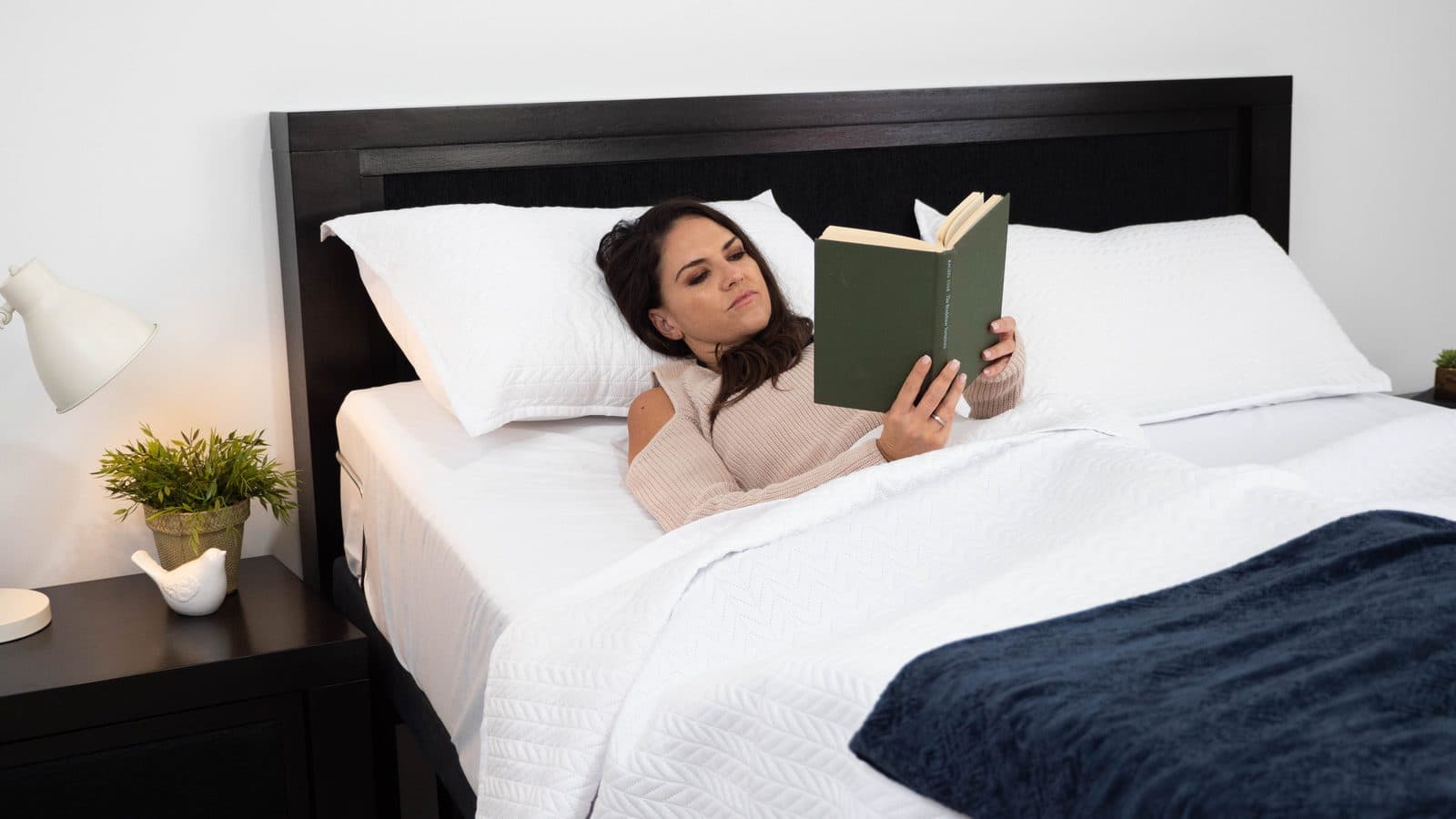
Most advice on falling asleep faster is the same ten points in a different order, and most of it is worth doing. What almost nobody tells you is which parts do the heavy lifting, which are marginal, and when the problem is not your routine at all. This is the list, with that added.
The short version: light, temperature and consistency matter most; rituals and teas matter least but are harmless; and if you are lying awake because you are physically uncomfortable, no amount of sleep hygiene fixes that.
1. Keep the same schedule, especially the wake-up
Going to bed and getting up at roughly the same times does more than any other single item on this list, and the wake-up time matters more than the bedtime. Your body clock takes its strongest cue from when you get up and see light, not from when you turn the lamp off.
The practical consequence is the one people dislike: a long sleep-in on Sunday undoes a good week. If you are going to be inconsistent somewhere, be inconsistent about when you go to bed and rigid about when you get up.
2. Get light right, in both directions
Light is the main signal your body clock runs on, which means there are two jobs, not one.
In the evening, dim things down. Overhead lights are the worst offenders, not screens — a bright ceiling light an hour before bed does more than a phone held at arm's length. Lamps, lower and warmer, do most of the work.
In the morning, get outside. Daylight shortly after waking is the strongest available anchor for the clock, and it is free. Ten minutes outdoors beats any amount of evening effort if your timing has drifted.
3. Screens: the content matters as much as the light
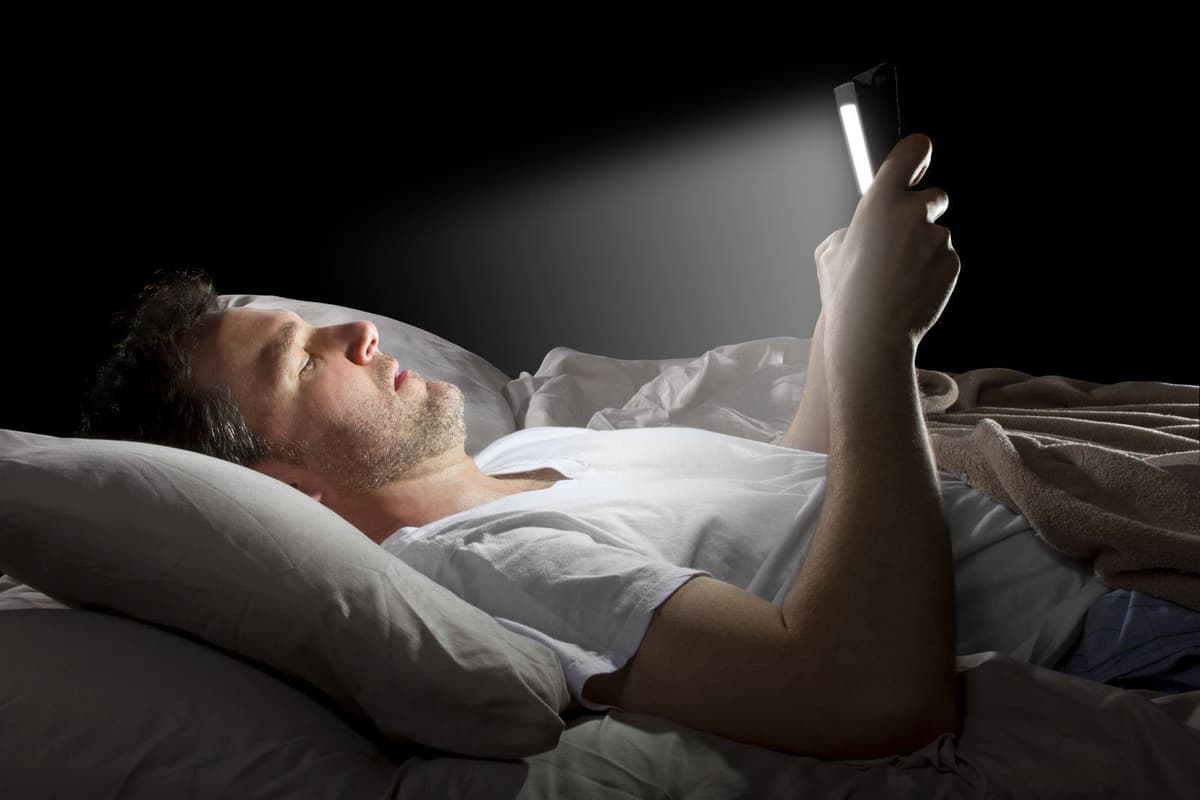
Blue light gets all the attention, and it is real, but the more common problem is simpler. A phone in bed is engaging. Scrolling, replying, reading something irritating — that is your mind switching on at the exact moment you want it switching off.
Blue-light filters and glasses address the smaller half of the problem. Putting the phone on the other side of the room addresses the larger half. If you only do one, do the second.
There is more detail on the light side of it in our guide to the effects of blue light on your sleep health.

4. Make the room cooler than feels obvious
Body temperature drops as you fall asleep, and a cool room helps that happen. Most bedrooms are kept warmer than is ideal for sleep, and people compensate with more bedding, which traps the heat the body is trying to shed.
A cooler room with adequate bedding generally beats a warm room with less. If you wake hot in the middle of the night rather than at bedtime, look at what is underneath you: a mattress or protector that holds heat will undo a well-set thermostat.
5. Deal with physical discomfort separately
This is the one a sleep-hygiene list usually skips, and it is where we have something specific to say, so read it with that in mind.
If you are lying awake because your back aches, because you cannot get comfortable, or because lying flat brings on reflux or snoring, that is not a routine problem and a routine will not solve it. No amount of chamomile tea addresses a mattress that is wrong for you, and treating a comfort problem as a discipline problem is a good way to spend months not fixing it.
Position is the part an adjustable bed changes. Raising the head can help to alleviate snoring and can make some people more comfortable for reflux; raising the legs above the heart can help ease swelling. Sophie adjustable beds and lift recliner chairs are also ARTG-registered Class 1 medical devices (ARTG 326115) for their massage function, and the intended purpose recorded on that register is that it “provides a massaging therapeutic effect and may assist in the reduction of aches and pains and improve sleep quality.” That sentence is what is registered, and we do not add to it.
What we will not tell you is that a bed cures insomnia. If you are comfortable and still awake, the bed is not your problem and you should keep reading down this list.
6. Wind down, and keep it boring
A pre-sleep routine works by being repetitive enough that your body reads it as a signal. The specific activity matters far less than people think — reading, a warm shower, gentle stretching, music all work, and so does washing up.
What matters is that it is consistent, unstimulating, and roughly the same length each night. A ritual you redesign weekly is not a ritual. Half an hour is plenty.
7. Write the worry down
If the thing keeping you awake is a mind that will not stop, get it out of your head and onto paper. A short list of what is bothering you, or what you have to do tomorrow, reliably helps more than trying to stop thinking — which does not work and generally makes it worse.
Keep it brief and keep it beside the bed rather than at a desk. The point is offloading, not planning.
8. Caffeine earlier than you think, alcohol not as a solution
Caffeine lasts far longer in the body than its effect suggests, so an afternoon coffee can still be present at bedtime. If you are struggling, moving your cut-off to early afternoon is a cheap experiment.
Alcohol is the one people get backwards. It does help you fall asleep, which is why it is tempting, and it makes the second half of the night worse. If you are using it to get to sleep, it is working against the thing you are trying to fix.
Large meals close to bed are worth avoiding too, particularly if you are prone to reflux — that combination is a common reason people wake an hour or two after going down.
9. Move during the day, not late at night
Regular physical activity helps regulate the sleep-wake cycle. The timing advice is looser than it used to be, but the general principle holds: earlier is safer, and vigorous exercise very close to bedtime leaves some people wired.
If evening is the only time you have, that is still better than not exercising. Adjust the intensity rather than skipping it.
10. Sleep aids: mostly harmless, mostly marginal
White noise, essential oils, herbal teas, weighted blankets. These sit at the gentle end of the list and none of them will hurt. White noise is the most useful of them if your problem is an unpredictable environment — traffic, a partner, a house that creaks.
Treat them as small additions to the things above rather than replacements for them. A lavender pillow spray will not outperform a consistent wake-up time.
When to stop troubleshooting and see someone
If you have consistently struggled to fall or stay asleep for a month or more, or if you are exhausted during the day despite spending enough time in bed, that is worth taking to your GP rather than another article.
Persistent insomnia, sleep apnoea, restless legs and a number of other conditions are real, common, and treatable, and none of them respond to better bedtime habits alone. Loud snoring with pauses in breathing, or waking unrefreshed after a full night, are both worth mentioning specifically.

If you only change three things
- Fix your wake-up time and hold it, including weekends.
- Get outside in the morning and dim the overhead lights at night.
- Sort out physical comfort — temperature, mattress, position — so that when you are awake, it is not because your body is uncomfortable.
The rest of the list is worth having. Those three are worth starting with.
If the comfort part is where you are stuck, we bring a bed to your home and set it up so you can spend 30 to 60 minutes on it before deciding anything. It is free and obligation-free. Call 1300 9 SLEEP (1300 975 337) Monday to Friday, 9am–5pm AEST, or see the Sophie adjustable bed range.
Common questions
What is the fastest way to fall asleep?
There is no switch, but the highest-value changes are a consistent wake-up time held seven days a week, daylight shortly after waking, dim overhead lights in the evening, and a cool room. Those four do more than the rest of the list combined. Rituals, teas and sprays are harmless but marginal by comparison.
Does a consistent bedtime or a consistent wake-up time matter more?
The wake-up time. Your body clock takes its strongest cue from when you get up and see light, not from when you turn the lamp off. If you have to be inconsistent somewhere, be flexible about bedtime and rigid about when you get up — including weekends.
Do blue-light glasses and screen filters help?
They address the smaller half of the problem. Blue light is real, but the bigger issue with a phone in bed is that it is engaging — scrolling and replying switch your mind on at the moment you want it switching off. Moving the phone across the room does more than filtering its light.
Does alcohol help you fall asleep?
It helps you fall asleep and makes the second half of the night worse, which is why people get it backwards. If you are using it to get to sleep, it is working against the thing you are trying to fix.
When should I see a doctor about not sleeping?
If you have consistently struggled to fall or stay asleep for a month or more, or you are exhausted during the day despite enough time in bed, take it to your GP rather than another article. Loud snoring with pauses in breathing, and waking unrefreshed after a full night, are both worth mentioning specifically. Insomnia, sleep apnoea and restless legs are common and treatable, and none respond to bedtime habits alone.
Information on this page is general in nature and is not a replacement for professional medical advice. Talk to your GP, occupational therapist or treating clinician about what suits your situation.
Sleep better, every night
If being able to change position would help, see how the Sophie adjustable range works — or just call for a chat.
1300 975 337 (1300 9 SLEEP) · Australian-based team · Explore the Sophie adjustable bed range
Rated 4.8 from 227 reviews on ProductReview.com.au · Free in-home demonstration · Interest-free options via Humm, Brighte & Payright for approved purchasers